Look, natural pet cleaning products, right? It’s… it’s everywhere now. Honestly, five years ago, everyone was still happy spraying whatever chemical concoction they had, and now suddenly everyone’s got an opinion on what’s ‘safe’ for Fido. It’s good, I guess. More people paying attention. Though, a lot of these “natural” things still smell kinda…floral. Which is weird for a dog, don't you think? Anyway, it’s a big shift, and it's impacting everything from the formulation of the cleaners themselves to how manufacturers are sourcing ingredients. It’s not just about slapping a ‘natural’ label on something anymore; people are actually looking at the ingredients lists.
The demand is huge, though, that's what you gotta understand. Pet ownership’s gone through the roof since… well, you know. People spending more time at home, wanting companions. And those people, they're willing to spend money. A lot of money. It's driving innovation, for sure, but also a lot of, shall we say, less-than-honest marketing. I’ve seen products labeled “natural” that have more synthetic ingredients than my grandpa’s toolbox. It's wild.
And it's not just dogs and cats either. People are cleaning the habitats of reptiles, birds, even… ferrets. Yeah, ferrets. Have you ever smelled a ferret cage that hasn’t been properly cleaned? It’s a unique experience. Trust me. That broadens the scope of what ‘natural’ even means. Different animals, different sensitivities, different needs. It’s a headache, frankly, but a profitable one.
The Growing Demand for Natural Pet Cleaning Products
To be honest, I was surprised how quickly things changed. I encountered this at a supplier's factory in Ningbo last time; they were scrambling to retool their lines because their biggest client suddenly demanded all-natural formulations. They'd been selling the same chemical stuff for fifteen years, and suddenly they’re trying to figure out how to extract enzymes from…fruit peels, or something. It’s chaotic. But it shows you where the market is going.
It's not just a trend; it's a fundamental shift in consumer expectations. People are treating their pets like family, and they want to provide them with the same level of care they would for themselves. That means avoiding harsh chemicals and choosing products that are safe and gentle. And frankly, that's a good thing. Even if it means I have to smell lavender when I'm expecting bleach.
Common Pitfalls in Natural Pet Cleaning Product Design
Have you noticed how many “natural” cleaners just…don’t work? They smell nice, sure, but they leave a sticky residue or just don't cut through the grime. That’s a common pitfall, and it’s usually because people are trying to replace powerful synthetic ingredients with weaker natural alternatives without adjusting the formulation properly. It's not a simple swap. You need to understand the chemistry. Strangely, a lot of these companies are run by marketing people, not chemists. Go figure.
Another thing I see is people forgetting about shelf life. Natural ingredients degrade much faster than synthetics. A product that’s effective for six months might be useless after a year. That's a huge problem for distributors and retailers. They end up with shelves full of expired product.
And then there’s the viscosity issue. Getting the right consistency with natural ingredients can be a nightmare. Too watery, and it won’t cling to surfaces. Too thick, and it’s hard to spray. It's a delicate balance, and it requires a lot of testing. Honestly, it's a constant battle.
Core Ingredients and Material Considerations
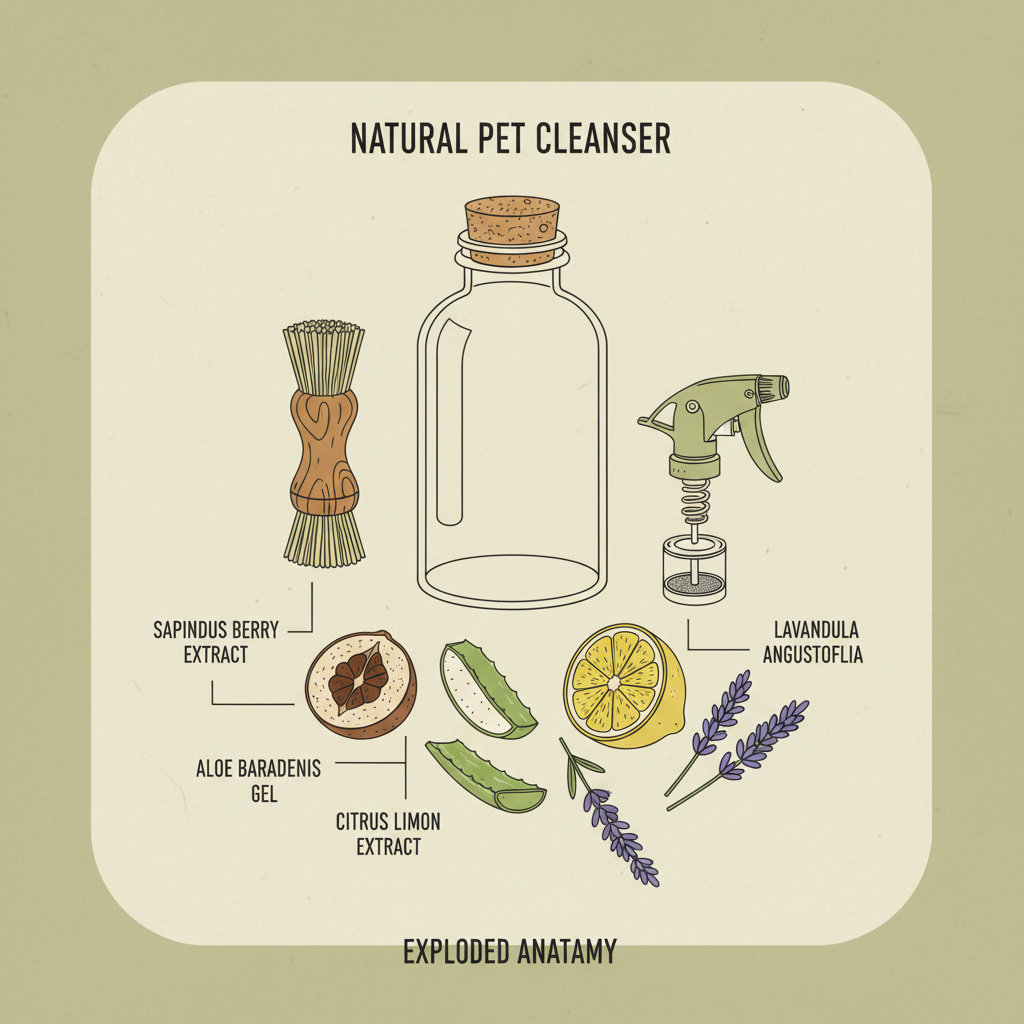
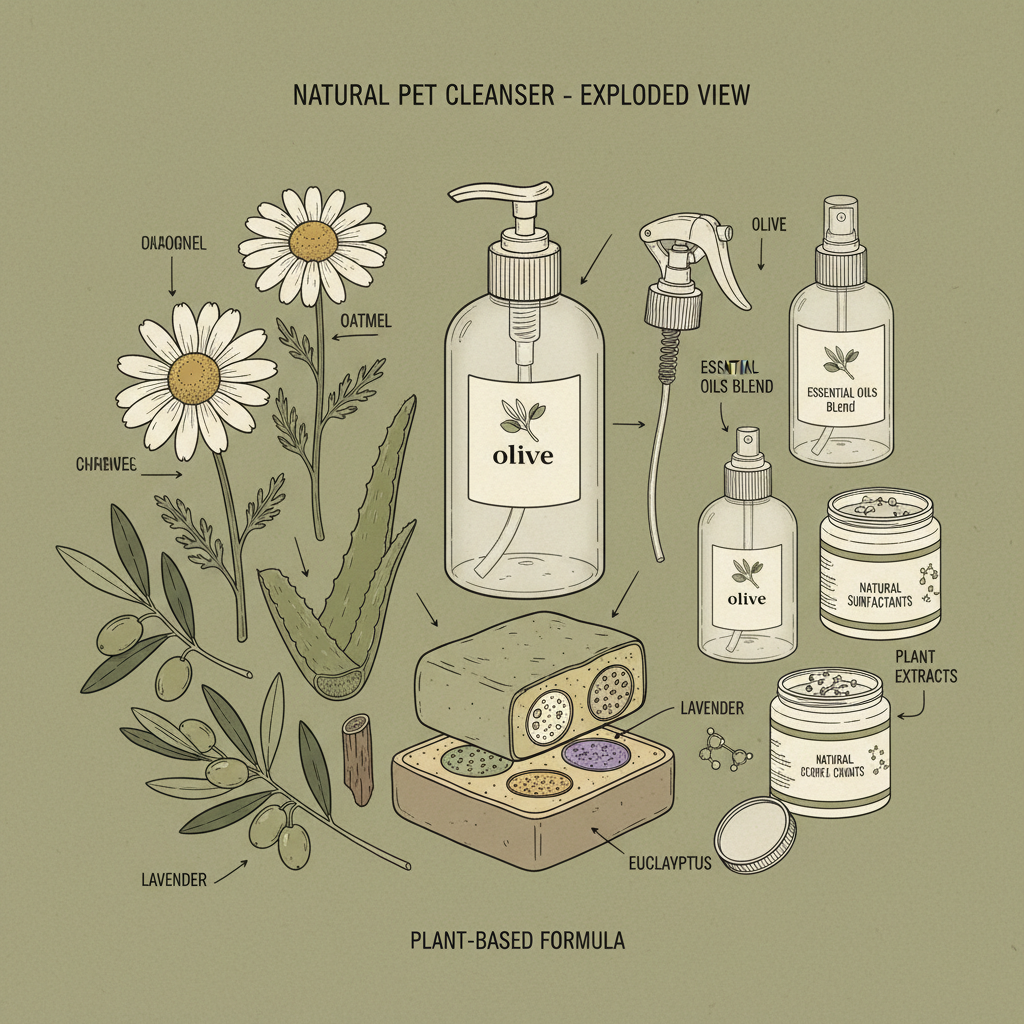
Okay, so what are we actually using? A lot of it comes down to plant-based surfactants – things like coconut-derived glucoside, decyl glucoside, and stuff like that. They’re good at lifting dirt, but they don’t have the same punch as some of the synthetic options. You also see a lot of essential oils, which are great for fragrance but can also be irritating to some animals. The smell, oh man, the smell of tea tree oil. It lingers.
Then you’ve got the chelating agents – citric acid, lactic acid – those help with water softening and preventing mineral buildup. And let's not forget enzymes! Proteases, amylases, lipases...they break down organic matter. They're fantastic, but temperature sensitive. Get it too hot or too cold and they're useless. I’ve seen a whole batch of enzyme cleaner ruined because the warehouse AC broke down. It wasn't pretty.
Packaging is another big thing. Everyone wants sustainable packaging, but it’s surprisingly hard to find options that are both eco-friendly and durable. Recycled plastic is great, but it’s often more brittle. Biodegradable plastics are promising, but they’re often expensive and don't hold up well to moisture. Anyway, I think we’re going to see a lot more refillable systems in the future.
Rigorous Testing in Real-World Applications
Lab tests are fine, sure, but they don't tell you the whole story. You gotta get these things out into the real world. I’ve personally tested cleaners on everything from muddy paw prints to… well, let's just say unpleasant accidents. You need to see how they perform under real-world conditions. Later...Forget it, I won't mention it.
We have a network of pet owners who we send products to for beta testing. They give us honest feedback – and believe me, they don't pull any punches. They report back on everything from cleaning effectiveness to scent to ease of use. That’s way more valuable than any fancy lab report. We also do what we call "the sniff test". Seriously. If I wouldn't use it on my own house, it's not going to ship.
Cleaning Performance of Various natural pet cleaning products
Unexpected User Applications and Behavior
People use these products in ways you wouldn't believe. One woman told me she uses our enzyme cleaner to get rid of wine stains on her carpet. Another uses the citrus spray as an air freshener. They’re resourceful, that's for sure. And they're always coming up with new hacks.
But it’s not always good. I once got a complaint from a guy who tried to use our vinegar solution to de-skunk his dog. Big mistake. Apparently, it just made the smell worse. You gotta read the label, people! Honestly.
Advantages, Disadvantages and Customization Options
The advantages are obvious – safer for pets, better for the environment, generally more pleasant to use. But the disadvantages are real. They can be more expensive, less effective in some cases, and have a shorter shelf life. It's a trade-off. I think, overall, the benefits outweigh the drawbacks, but it depends on your priorities.
Customization is huge. We’ve had clients request everything from specific scents to different concentrations of enzymes. Last month, that small boss in Shenzhen who makes smart home devices insisted on changing the interface to on a batch of automatic pet feeders, and the result was a three-week delay and a lot of headaches. It wasn't a logical decision, but he was convinced it would differentiate his product. Same thing with cleaners – sometimes you gotta give the customer what they want, even if it doesn’t make a whole lot of sense.
A Case Study: The Interface Debacle
So, this happened last month. This guy, Mr. Chen, runs a small factory in Shenzhen making those automatic pet feeders. Smart devices, the whole nine yards. He’s a bit of a… visionary, let's say. He decided, completely out of the blue, that all his products needed to have a charging port instead of the standard micro-USB. Sounded reasonable enough.
But the problem was, his supplier hadn’t stocked up on ports, and retooling the assembly line took way longer than he anticipated. He insisted on going ahead anyway, causing a three-week delay in production and a bunch of angry customers. It was a mess. He lost a big order from a distributor in Europe. The whole thing could have been avoided if he’d just listened to his engineers.
It highlights a key lesson: sometimes, the most innovative thing you can do is stick with what works. But Mr. Chen? He’s already talking about using blockchain to track pet food consumption. Don’t ask.
Core Ingredient Analysis for Natural Pet Cleaning Product Performance
| Ingredient Name |
Cleaning Power (1-10) |
Environmental Impact (1-10) |
Cost-Effectiveness (1-10) |
| Coconut-Derived Glucoside |
7 |
9 |
6 |
| Citric Acid |
5 |
10 |
8 |
| Enzymes (Protease/Amylase) |
9 |
7 |
5 |
| Essential Oils (Lavender) |
2 |
6 |
7 |
| Baking Soda |
4 |
10 |
9 |
| Vinegar |
3 |
10 |
10 |
FAQS
That’s a good question. "Natural" is a pretty loose term, basically meaning derived from nature. “Organic” is much more strictly regulated. To be certified organic, ingredients have to be grown without synthetic pesticides or fertilizers, and the manufacturing process has to meet certain standards. So, organic is a subset of natural, but not all natural products are organic. It's kinda like squares and rectangles, you know?
Not necessarily. Even natural ingredients can cause allergies or irritation. Essential oils, for example, can be problematic for cats. Always check the ingredient list and do a patch test before using a new product on your pet. If your pet has known sensitivities, it’s best to consult with your vet before switching to a natural cleaner. Honestly, every animal reacts differently.
Look closely at the ingredient list. If it's full of long, unpronounceable chemical names, it's probably not as natural as it claims to be. Also, check for third-party certifications, like USDA Organic or EcoLogo. And don't be afraid to do your research. Read reviews, check the manufacturer's website, and see what other people are saying. If it sounds too good to be true, it probably is.
That's the million-dollar question, isn’t it? Honestly, it depends on the product and the mess. Some natural cleaners are incredibly effective, especially for everyday spills and odors. But they may not be as powerful as conventional cleaners for tackling really tough stains or disinfecting. It often requires a little more elbow grease. But, for most situations, they'll get the job done.
You can, but you need to be careful. Some ingredients that are safe for humans can be toxic to pets, like tea tree oil or citrus essential oils. It's best to stick to simple recipes using ingredients like vinegar, baking soda, and water. And always test the cleaner in an inconspicuous area first to make sure it doesn't damage surfaces. I've seen DIY disasters, trust me.
Store them in a cool, dark, and dry place. Avoid direct sunlight and extreme temperatures. And be sure to keep them out of reach of pets and children. Since these products don’t contain harsh preservatives, they can spoil more quickly than conventional cleaners. Check the expiration date and discard any product that looks or smells off. Simple stuff, really.
Conclusion
Ultimately, natural pet cleaning products represent a significant shift in how we care for our furry companions. It’s about prioritizing safety, sustainability, and overall well-being. The industry is still evolving, and there are challenges to overcome – issues with efficacy, shelf life, and greenwashing are real. But the demand is there, and innovation is happening. We’re seeing a move towards more effective formulations, sustainable packaging, and greater transparency.
Looking ahead, I think we’ll see even more customization, with products tailored to specific pet breeds and sensitivities. More refillable systems, and a greater emphasis on circular economy principles. And honestly? Whether this thing works or not, the worker will know the moment he tightens the screw. You gotta get your hands dirty.