You know, lately everyone's talking about sustainability. “Green materials,” “low VOCs,” the whole shebang. Honestly, it’s good, it’s about time, but it adds a layer of complexity. Everyone wants the 'dog friendly cleaning products' label now, which means a whole new set of headaches trying to source things that actually work and won't send Fido running for the hills. It's not just about slapping a "non-toxic" sticker on something, trust me.
I’ve seen a lot of designs come through, and the biggest trap people fall into is over-engineering. They want these super-complex formulations, thinking more ingredients equals better cleaning. But more often than not, it just leads to instability, weird reactions, and stuff that smells… off. Simple is usually better, especially when you’re dealing with something that’s going to be around animals.
And don't even get me started on "natural" cleaning products. Half the time, they just don't cut it. I remember last year at the Guangzhou trade show, this one vendor was boasting about his citrus-based 'dog friendly cleaning products’ – smelled amazing, like a juice bar. But when I asked about grease cutting, he just kind of waved his hand and said, “It’s natural!” Yeah, well, natural doesn’t dissolve engine oil, buddy.
The Rising Demand for Dog Friendly Cleaning Products
To be honest, the whole 'dog friendly cleaning products' thing exploded over the last five years. It’s not just about people loving their pets—although that’s a big part of it. It’s also about awareness. People are reading labels now, realizing what kind of chemicals they’re bringing into their homes, and how it might affect their furry friends. I encountered this firsthand at a factory in Foshan last time - they were scrambling to reformulate their entire line!
What’s driving this? Well, the pet industry is booming. People are spending more on their pets than ever before. And as they treat their pets more like family members, they're naturally more concerned about their wellbeing. Plus, there’s been a lot of negative press about traditional cleaning products and their potential health risks, both for humans and animals.
Formulation Pitfalls: Keeping it Simple
Have you noticed how many cleaning products claim to do everything? Disinfect, degrease, deodorize, shine… it’s ridiculous. Trying to pack all that into one bottle almost always means compromises. And those compromises often show up in the form of harsh chemicals or irritating fragrances. With 'dog friendly cleaning products', you’ve got to be even more careful. Dogs have sensitive noses and can be easily irritated.
I’ve seen too many formulas loaded with unnecessary additives. Things like optical brighteners, dyes, and masking fragrances. They don't actually clean better, they just appear to. The key is to focus on a few high-quality, effective ingredients and let them do their job. And strangely, sometimes the simplest solutions are the most effective.
It’s a constant battle, convincing clients that less is more. They want to see a long ingredient list, they think it means more value. But that’s just not true. Especially when it comes to something as sensitive as 'dog friendly cleaning products'.
Material Deep Dive: What’s Really Inside
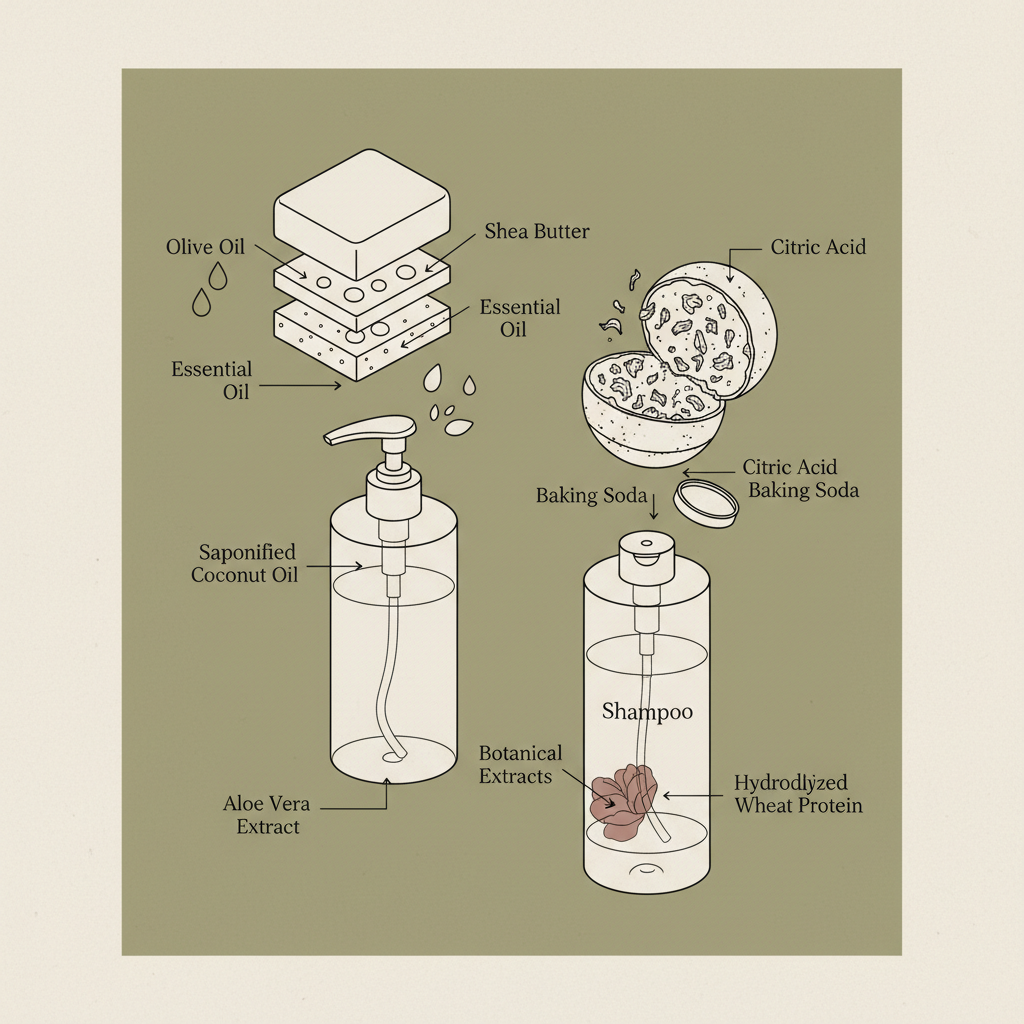
Alright, let's talk ingredients. A lot of these "natural" 'dog friendly cleaning products' rely heavily on essential oils. Now, essential oils can be effective, but they need to be used carefully. Some are actually toxic to dogs, even in small amounts. Tea tree oil, for example, is a big no-no. Others, like citrus oils, can cause skin irritation.
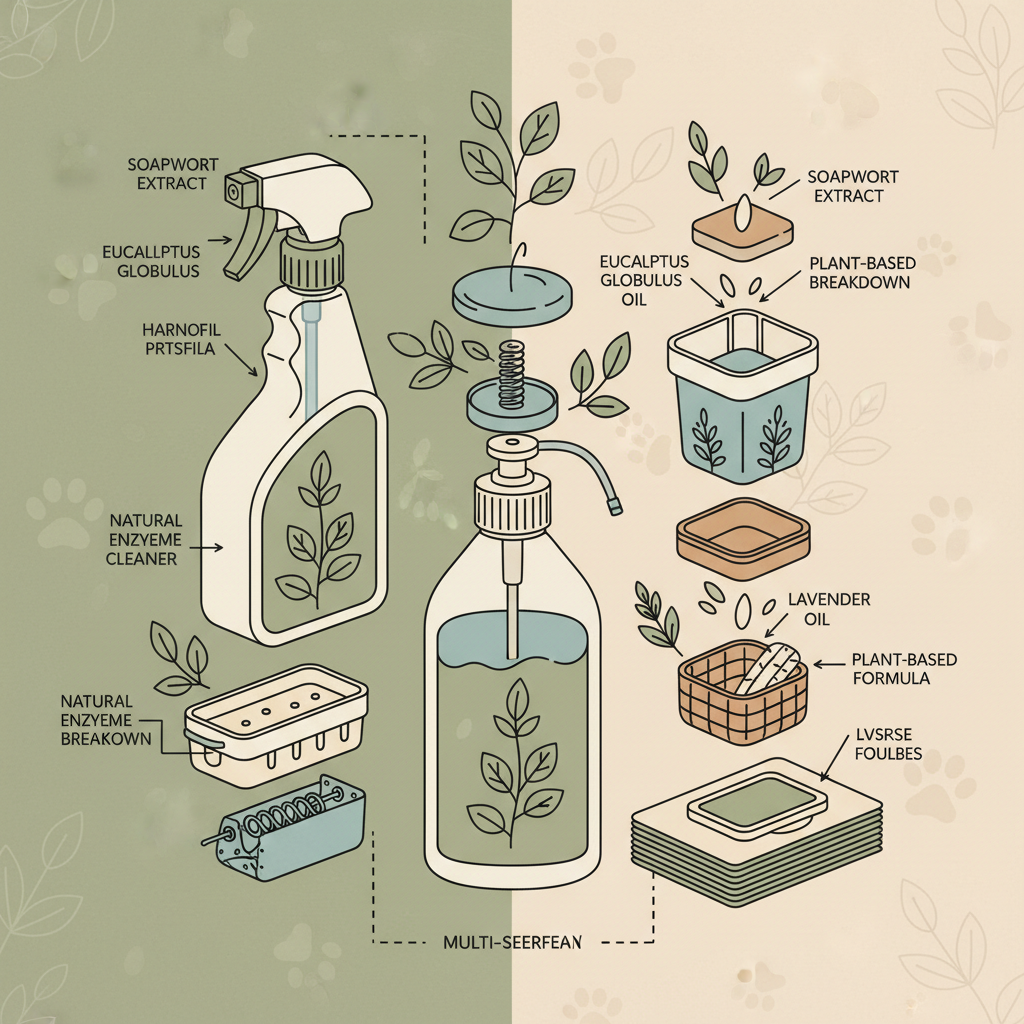
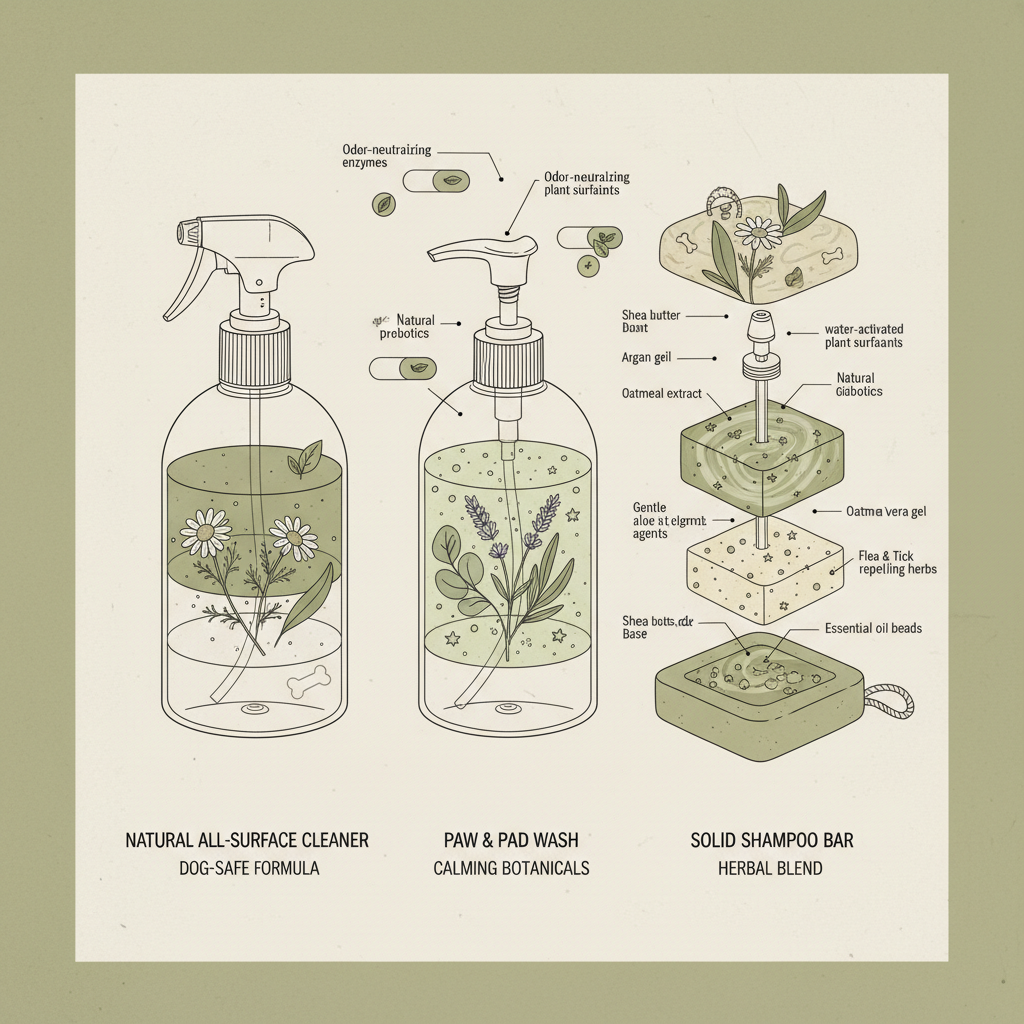
I’ve been working with a supplier in Zhejiang who specializes in plant-derived surfactants – stuff like alkyl polyglucosides and coco-glucoside. They feel different, you know? Not that slick, chemical feel of traditional detergents. More… creamy. And the smell is subtle, not overpowering. They also handle better – less foaming, easier to rinse. It's all about texture, feel, and whether it's going to leave a residue that a dog will lick up later.
We’re also looking a lot at enzymes. Proteases, amylases, lipases – they break down specific types of messes. They’re a bit more expensive, but they’re incredibly effective, and they’re much gentler than harsh chemicals. Plus, they’re biodegradable, which is a bonus.
Real-World Testing: Beyond the Lab
Lab tests are fine, I guess. But they don’t tell the whole story. You need to see how these 'dog friendly cleaning products' perform in real life. I mean, are they actually getting up the mud paw prints? Are they removing that stubborn pet odor? Are they safe to use around a curious puppy?
We do a lot of testing at a local dog daycare. It’s chaos, but it’s also incredibly informative. We spray, we wipe, we let the dogs do their thing. And then we observe. We look for discoloration, irritation, lingering odors. It's messy, but it's the best way to get honest feedback.
Dog Friendly Cleaning Product Performance Metrics
How Users Actually Use Dog Friendly Cleaning Products
I think people underestimate how much a dog actually contributes to the mess. It’s not just accidents, it’s the constant tracking in of dirt, the shedding, the drool... Anyway, I think people tend to use 'dog friendly cleaning products' more frequently than they would traditional cleaners. They’re not waiting for a major spill; they’re doing spot cleaning all the time.
And a lot of them are using it on more than just floors. They’re spraying it on furniture, on dog beds, even on their own hands. So, it needs to be safe for skin contact as well as gentle enough for delicate fabrics.
Advantages and Disadvantages: A Balanced View
Look, 'dog friendly cleaning products' aren’t perfect. They can be more expensive, they might not be quite as powerful as some of the harsher chemicals, and you have to be careful about ingredient selection. But the benefits – peace of mind, safety for your pets, environmental responsibility – those outweigh the drawbacks, in my opinion.
Honestly, the biggest disadvantage is the marketing hype. There's a lot of greenwashing going on. Companies slapping a “natural” label on something that's still full of questionable ingredients. You’ve got to do your research and read the fine print.
Later… forget it, I won’t mention it.
Customization Options: Tailoring to Needs
We’ve had a few clients ask for customized fragrances. They want something that doesn’t smell like lemon or lavender, but something more… unique. One guy, a fancy dog groomer in Shanghai, wanted a scent that matched his salon’s branding – a blend of sandalwood and vanilla. It was a headache to source the ingredients and get the formulation right, but the end result was pretty impressive.
We've also done some work on concentrate levels. Some customers want a more diluted formula for everyday cleaning, while others need something stronger for tackling tough stains. Being able to adjust the concentration gives them more control and flexibility.
A small boss in Shenzhen who makes smart home devices insisted on changing the interface to last month. We warned him it'd add cost and complexity, but he was adamant about future-proofing. Turns out his factory couldn’t source enough connectors, and production stalled for two weeks. That’s the kind of thing you learn on the ground, not in a boardroom.
Key Comparison of Dog Friendly Cleaning Product Characteristics
| Ingredient Source |
Effectiveness (Scale 1-5) |
Dog Sensitivity Level |
Cost per Liter |
| Plant-Based Surfactants |
4 |
Low |
$8 |
| Enzyme-Based Formula |
5 |
Very Low |
$12 |
| Vinegar and Baking Soda |
2 |
Low |
$2 |
| Citrus Essential Oil Blend |
3 |
Medium (some dogs sensitive) |
$6 |
| Hydrogen Peroxide (diluted) |
4 |
Medium (requires careful rinsing) |
$5 |
| Hypochlorous Acid (HOCl) |
5 |
Very Low |
$10 |
FAQS
Essentially, it's about avoiding harsh chemicals, irritants, and ingredients that are known to be toxic to dogs. We're talking things like ammonia, bleach, phthalates, and certain essential oils. 'Dog friendly cleaning products' prioritize plant-derived ingredients and gentler formulations to minimize any potential harm to your furry friend. It's a big difference, and it matters to a lot of pet owners.
Not necessarily. “Natural” is a marketing term, and it’s not always well-regulated. Just because something is plant-based doesn’t automatically mean it’s safe for dogs. Some essential oils, for example, are incredibly toxic to animals, even in small amounts. Always read the ingredient list carefully and look for products specifically labeled as 'dog friendly cleaning products' or vetted by a veterinary organization.
Look for certifications from reputable organizations that specialize in pet safety. Check the ingredient list for any known toxins or irritants. And, if you're still unsure, do a patch test – apply a small amount of the cleaner to an inconspicuous area and see if your dog reacts. It’s better to be safe than sorry.
Generally, yes, but it's always a good idea to test on a small, hidden area first, especially for delicate surfaces like hardwood floors or upholstery. Some 'dog friendly cleaning products' may contain ingredients that could potentially cause discoloration or damage. It's better to be cautious.
Treat them like any other cleaning product: out of reach of pets and children! Ideally, store them in a locked cabinet or on a high shelf. Even though they're "dog friendly," you don't want your pup accidentally ingesting a large quantity.
That's a common question! The answer is, it depends. Many 'dog friendly cleaning products' are now formulated to be just as effective as their harsher counterparts, but it's important to choose a reputable brand and read reviews. You might need to use a slightly larger amount or let the cleaner sit for a longer period to achieve the same results.
Conclusion
Ultimately, the shift toward 'dog friendly cleaning products' is about more than just pet safety. It’s about a growing awareness of the impact our choices have on our health, our environment, and the wellbeing of our companions. It’s about demanding better ingredients, more responsible manufacturing practices, and a greater commitment to transparency.
I think we'll see even more innovation in this space in the coming years, with a focus on sustainable sourcing, biodegradable formulations, and personalized cleaning solutions. But at the end of the day, whether this thing works or not, the worker will know the moment he tightens the screw.