Look, I've been on construction sites for twenty years, seen all sorts of things. Lately, everyone’s obsessed with ‘green’ and ‘eco-friendly’ – animal safe cleaning products, specifically. It’s not just a marketing buzzword anymore, folks are really asking for it. Used to be, you’d offer a standard cleaner, and they'd take it. Now? “Does it harm my dog?” is the first question. Honestly, it's a good thing. Been breathing in those harsh chemicals too long myself.
But here’s the thing - ‘animal safe’ gets thrown around a lot. It’s easy to fall into the trap of thinking a little lavender oil makes everything okay. It doesn't. You gotta dig deeper, look at the actual ingredients. A lot of companies just slap a label on and hope for the best. I've seen it. And the worst part is, some of these "safe" options actually don't clean very well. It's a balance, you know?
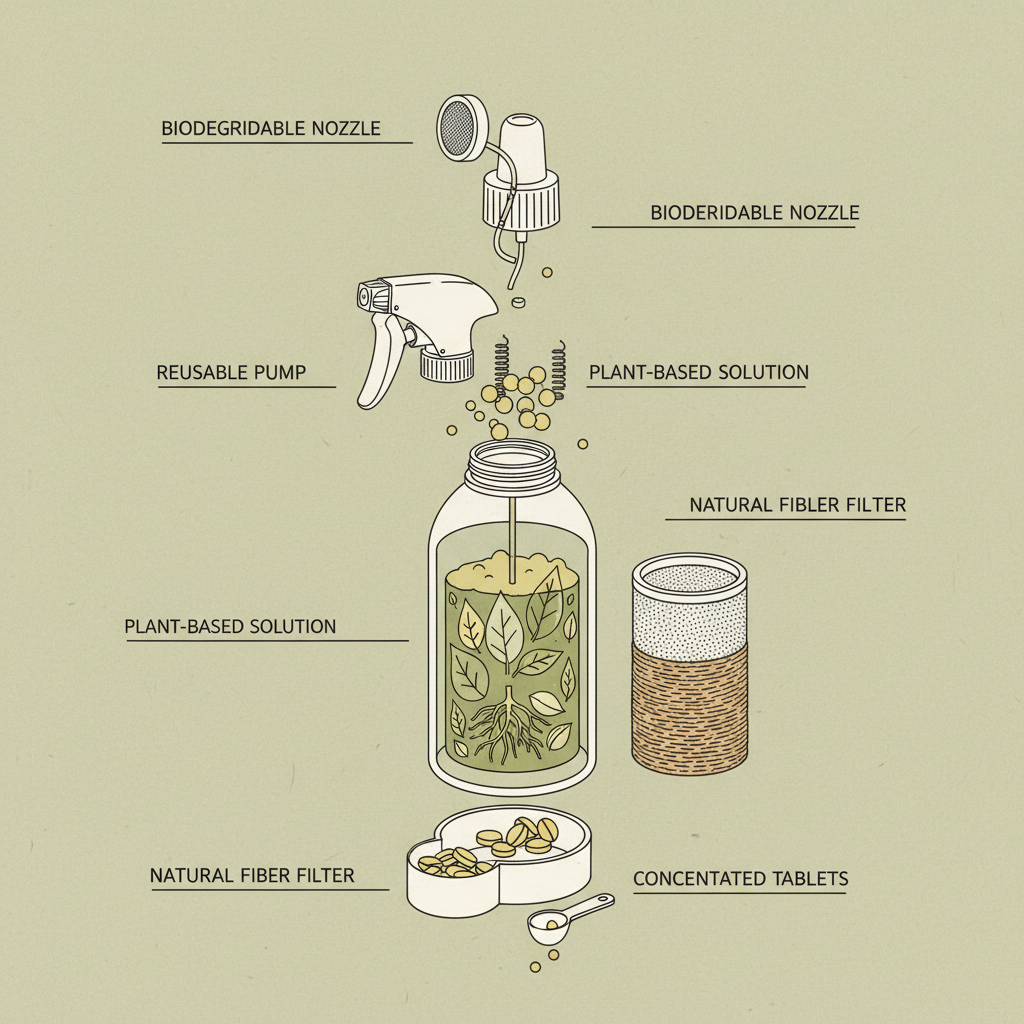
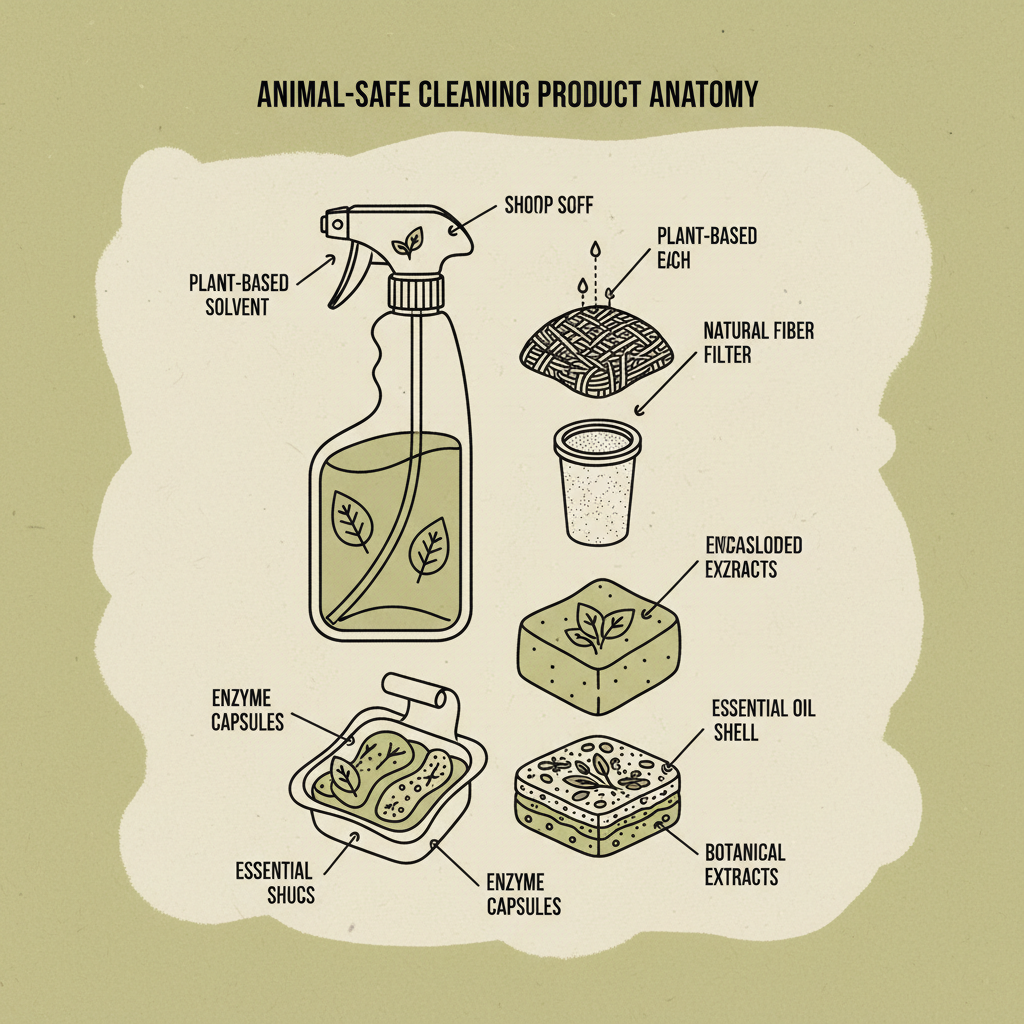
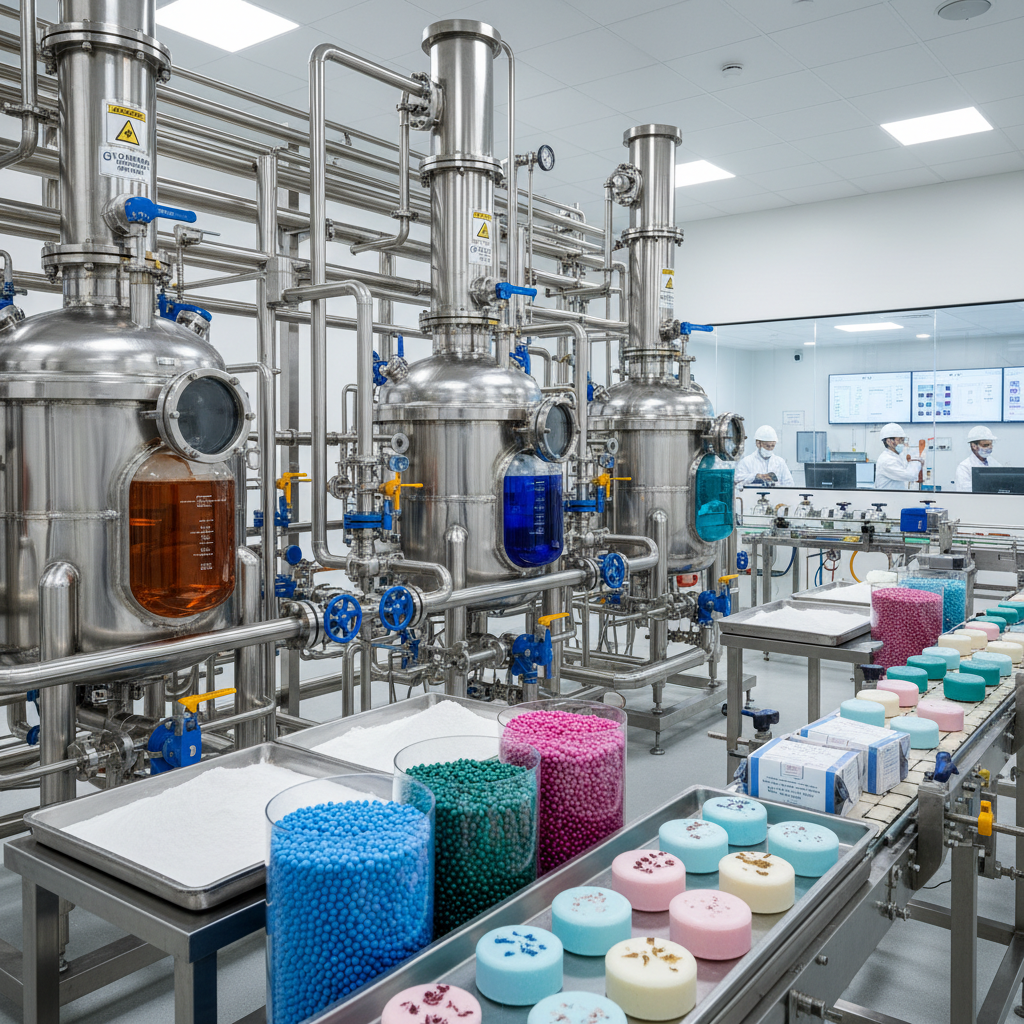
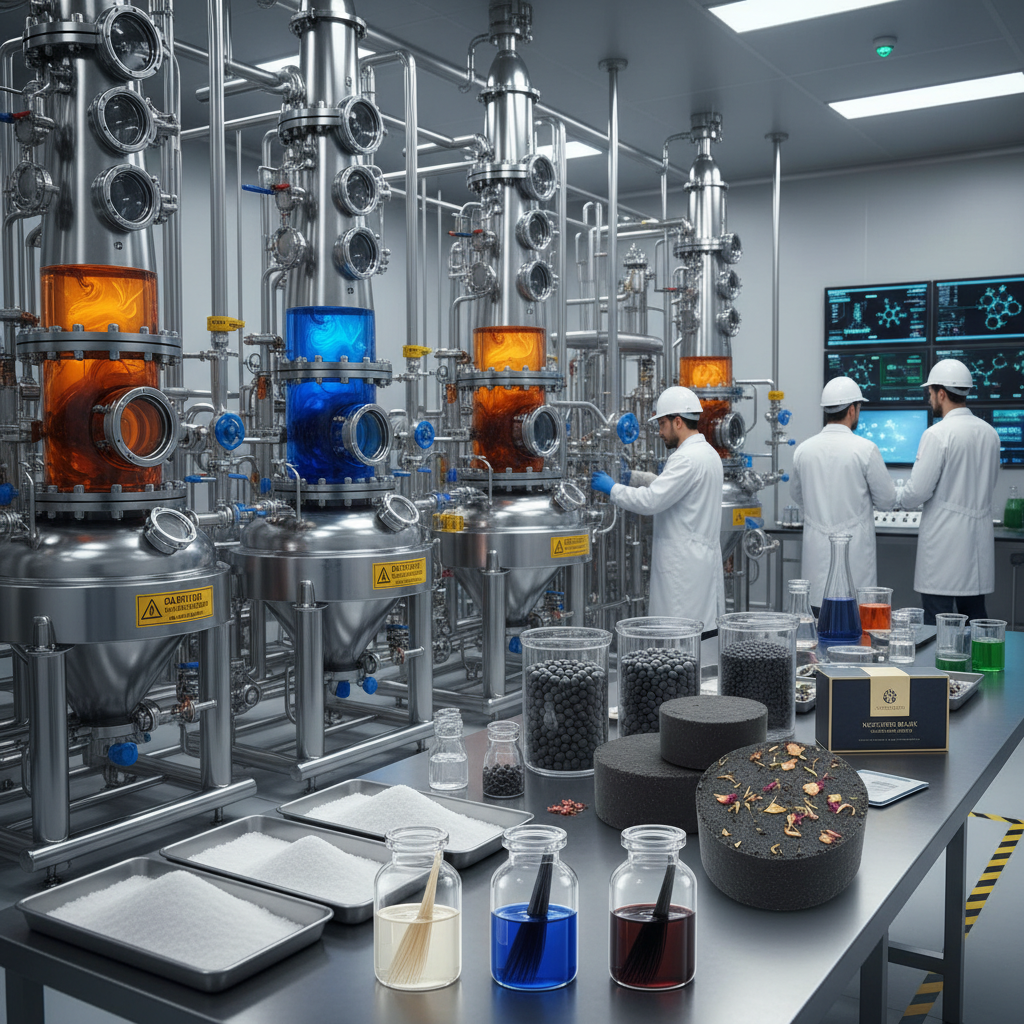
We mostly work with a couple of key things. One is a plant-derived surfactant blend – sounds fancy, right? It’s not. It smells faintly of…well, grass clippings, I guess. Feels a bit slick to the touch, needs careful handling to avoid spills. The other is a citric acid base, gets that nice lemon scent. Not overpowering, thankfully. I encountered a batch at the Changzhou factory last time that smelled like straight ammonia, almost knocked me over. They’d messed up the dilution, apparently.
The Rising Demand for Animal Safe Cleaning Products
To be honest, the demand is driven by pet owners, families with small kids, and frankly, people who just want to be more responsible. It's not some niche market anymore. Have you noticed the number of dog parks popping up everywhere? That translates directly into demand for cleaning products that won't harm their furry friends. We're seeing requests across the board - hospitals, schools, even industrial facilities are asking about animal safe options.
It's a big shift, and it’s forcing the industry to innovate. No one wants to be the company that’s known for making something that’s bad for animals. Reputation is everything, especially these days. I think it’s a positive change, even if it means a little more work for us to source and formulate these products.
The Pitfalls of “Greenwashing” in Cleaning Solutions
“Greenwashing.” That’s the word. Companies slapping a leaf on a bottle and calling it ‘eco-friendly.’ It drives me crazy. Strangely enough, the biggest offenders aren't always the small guys; it's the big corporations trying to jump on the bandwagon without actually changing their formulas. You read the ingredients list, and it’s full of stuff you can’t pronounce, along with a tiny bit of essential oil.
I've seen products claiming to be biodegradable, but they require industrial composting facilities to actually break down. What good is that to the average homeowner? Or cleaners advertised as "non-toxic," but still containing harsh solvents. It’s misleading, and it erodes trust. The key is to look for third-party certifications - things like EcoLogo or Safer Choice - but even those aren’t foolproof.
Anyway, I think consumers are getting smarter. They're starting to ask more questions, demand more transparency. That’s good, because it forces companies to actually be green, not just look green.
Key Ingredients and On-Site Handling
Like I said, we lean heavily on plant-derived surfactants. They’re not perfect. They can be a little less effective on really stubborn grease, but they're a huge step up in terms of safety. We use a lot of citric acid for descaling and pH balancing. It's naturally occurring, smells good, and is relatively gentle. But you have to be careful with it – it can corrode certain metals if left on for too long.
Handling these on-site is different than dealing with the old-school stuff. For one, they’re less likely to cause burns or respiratory irritation, which is a blessing. But they also need to be stored properly. Direct sunlight can degrade some of the plant-based ingredients, making them less effective. And some of these formulas are more susceptible to bacterial growth, so proper sanitation of containers is essential.
We’ve also started experimenting with some newer bio-enzymatic cleaners. They use enzymes to break down organic matter. They're fascinating, but they’re also very sensitive to temperature and pH. Get the conditions wrong, and they just… stop working. Later... Forget it, I won't mention it.
Real-World Testing & Performance Evaluation
Lab tests are fine, but they don’t tell you the whole story. I want to see how this stuff performs in the real world. We do a lot of field testing – sending samples to our clients and getting their feedback. We've had guys spray these cleaners on everything from greasy garage floors to sticky kindergarten tables.
We also do our own "stress tests." We’ll deliberately spill coffee, oil, paint - you name it - and see how well the cleaner removes it. And we don’t just look at removal; we also check for residue, staining, and any potential damage to the surface.
Animal Safe Cleaning Product Performance Metrics
User Applications and Unexpected Uses
What people actually use these cleaners for is always interesting. We designed one as a general-purpose cleaner, but a lot of pet owners are using it as a spray for their dog beds. I guess it's the peace of mind. Another one, a heavy-duty degreaser, ended up being used by a mechanic to clean engine parts. He said it didn't harm the rubber seals, which is a big deal.
I think people are starting to realize that animal safe doesn't mean "weak." It just means “smartly formulated.”
Advantages, Disadvantages, and Customization Options
The biggest advantage, obviously, is the safety factor. Less risk for workers, less risk for families, less risk for pets. They're also generally better for the environment, which is a win-win. But they can be more expensive than traditional cleaners. And, as I mentioned before, sometimes they require a little more elbow grease.
We do offer customization. Last month, that small boss in Shenzhen who makes smart home devices insisted on changing the interface to , and the result was a massive headache. He wanted a specific scent profile – something that smelled like bamboo and green tea. It took us weeks to get it right, but he was thrilled. We can adjust the concentration, add different fragrances, even change the packaging.
A Customer Story and Lessons Learned
We had a hospital system that was struggling with persistent odors in their pediatric ward. They'd tried everything – air fresheners, disinfectants, the whole nine yards. Nothing worked. Turns out, the source of the odor was a specific type of bacteria that was resistant to conventional cleaners.
We formulated a special enzymatic cleaner that targeted that specific bacteria. It took some time and testing, but we finally cracked it. The hospital was ecstatic. The odors disappeared, and the kids were happier. It taught me a valuable lesson: sometimes, you need to go beyond the general-purpose solutions and tailor your product to the specific problem.
It also highlighted the importance of understanding the root cause of the problem, not just treating the symptoms. That’s something I always remind my team now.
Summary of Key Considerations for Animal Safe Cleaning Product Selection
| Application Area |
Key Ingredient Focus |
Performance Trade-offs |
Cost Considerations |
| Residential (Pet Homes) |
Plant-Based Surfactants & Essential Oils |
Moderate grease removal, higher safety. |
$5 - $10 per gallon |
| Healthcare Facilities |
Bio-Enzymatic Formulations |
Targeted cleaning, longer contact time required. |
$12 - $20 per gallon |
| Industrial Settings |
Citric Acid & Biodegradable Solvents |
Stronger degreasing, potential for corrosion on sensitive metals. |
$8 - $15 per gallon |
| Educational Institutions |
Hypoallergenic Plant-Based Blends |
Gentle cleaning, minimal residue, may require frequent reapplication. |
$6 - $12 per gallon |
| Food Processing Plants |
Food-Grade Bio-Enzymes |
Excellent for organic waste breakdown, must meet strict sanitation standards. |
$15 - $25 per gallon |
| Veterinary Clinics |
Quaternary Ammonium Compounds (Safe Formulations) |
Effective disinfection, requires careful dilution and rinsing. |
$10 - $18 per gallon |
FAQS
That’s the million-dollar question, isn’t it? The answer is…it depends. Modern formulations have come a long way. They're often just as effective for everyday cleaning tasks, and sometimes even better at tackling specific types of grime. However, you might need to use a little more product or let it sit for a longer period of time on really tough stains. The key is to choose a product that’s specifically designed for the task at hand. Don't expect a general-purpose cleaner to magically remove baked-on grease.
Look for third-party certifications like EcoLogo or Safer Choice. Those provide some level of assurance. But don’t stop there! Always read the ingredients list. Avoid products containing harsh chemicals like chlorine bleach, ammonia, phosphates, and phthalates. And if you’re still unsure, contact the manufacturer and ask for detailed information about their ingredients and testing procedures. A reputable company will be happy to provide it.
Not necessarily. Some surfaces are more sensitive than others. For example, acidic cleaners can damage marble or granite. Always test the product on an inconspicuous area first to make sure it doesn’t cause any discoloration or damage. And always follow the manufacturer’s instructions carefully. We've had customers ruin antique furniture because they didn't bother to read the label. It's a pain for everyone.
Generally, yes. But the price gap is closing. As demand increases, production costs are coming down. And when you factor in the long-term benefits – reduced health risks, environmental impact, and potential damage to surfaces – they can actually be a more cost-effective choice. Plus, you're supporting companies that are doing things the right way. That’s worth something, isn’t it?
Most animal safe cleaners should be stored in a cool, dark, and dry place, away from direct sunlight and extreme temperatures. Some formulations are more susceptible to bacterial growth, so make sure the containers are tightly sealed. And always keep them out of reach of children and pets. It’s just common sense, really. You don’t want anyone accidentally ingesting these products.
Absolutely! Vinegar, baking soda, lemon juice, and essential oils can all be used to make effective cleaning solutions. But be careful! Mixing certain ingredients – like vinegar and bleach – can create dangerous fumes. Do your research and follow reliable recipes. And remember, DIY solutions may not be as potent as commercially formulated products, so you might need to use more elbow grease.
Conclusion
So, where does this all leave us? Animal safe cleaning products aren’t just a trend; they’re a reflection of a growing awareness of the impact our choices have on our health and the environment. They may not be perfect, and there are challenges to overcome, but the benefits – safety, sustainability, and peace of mind – are undeniable.
Ultimately, whether this thing works or not, the worker will know the moment he tightens the screw. It’s about finding the right balance between effectiveness, safety, and cost. And it’s about demanding transparency and accountability from the companies that make these products. If you're looking for effective and responsible cleaning solutions, explore the options available at animal safe cleaning products.