The world of self-care and personal well-being is constantly evolving, and at its heart lies the simple pleasure of a relaxing bath. However, what constitutes a truly effective and enjoyable bathing experience goes far beyond just water and soap. This is where “bath stuff” – a broad category encompassing everything from bath bombs and bubble bath to salts, oils, and accessories – comes into play. Understanding the nuances of these products, their ingredients, and their effects can significantly elevate your daily routine and contribute to both physical and mental health.
Globally, the bath and body products market is a multi-billion dollar industry, projected to continue significant growth in the coming years. According to Statista, the global bath and shower market generated approximately $22.6 billion in revenue in 2023, and is expected to grow annually by 3.71% (CAGR 2023-2028). This demand isn’t simply about luxury; increasingly, consumers are seeking natural, therapeutic, and sustainable options.
The growing emphasis on self-care, coupled with increasing stress levels and a desire for natural wellness solutions, is driving the demand for high-quality “bath stuff”. From aromatherapy-infused blends to mineral-rich salts, consumers are looking for products that offer more than just cleansing – they want an immersive and restorative experience. This trend has led to innovation in ingredients, formulations, and packaging, making "bath stuff" a dynamic and exciting sector.
The Significance of Bath Stuff
“Bath stuff” represents more than just cleansing agents; it's a gateway to relaxation, rejuvenation, and self-care. In a world filled with constant demands and stressors, creating a dedicated bathing ritual provides a much-needed opportunity to disconnect, unwind, and prioritize mental and physical wellbeing. The careful selection of bath products can enhance this experience, transforming a simple bath into a therapeutic sanctuary.
The significance of these products extends beyond immediate relaxation. Ingredients like Epsom salts can help soothe sore muscles, essential oils can promote emotional balance, and moisturizing oils can nourish dry skin. These tangible benefits, combined with the psychological effects of a calming and immersive bathing experience, make “bath stuff” an essential component of a holistic wellness routine.
Defining Bath Stuff: A Comprehensive Overview
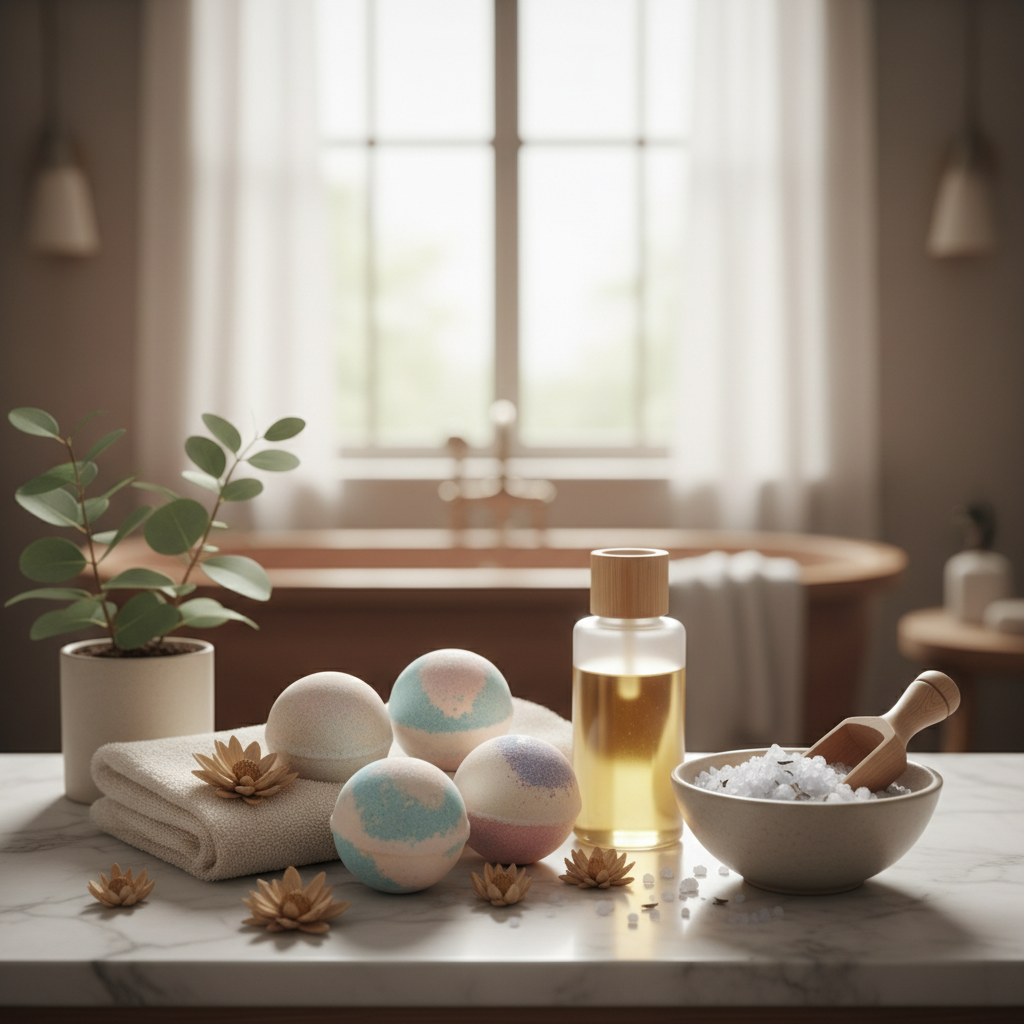
"Bath stuff" is a broad and inclusive term encompassing all products used to enhance the bathing experience. This includes, but is not limited to, bubble baths, bath bombs, bath salts, bath oils, shower gels, body scrubs, and even accessories like bath pillows and brushes. The core function is to elevate the cleansing process into a sensorial and therapeutic ritual.
This category is deeply connected to the modern wellness industry, which prioritizes preventative healthcare and holistic self-care practices. The demand for natural, organic, and ethically sourced ingredients within “bath stuff” reflects a broader societal shift towards conscious consumerism and a desire to minimize environmental impact.
Furthermore, the definition extends to the experiential aspects. The aroma, texture, and visual appeal of “bath stuff” all contribute to the overall experience, appealing to multiple senses and fostering a sense of calm and indulgence. From simple Epsom salts to elaborately crafted bath bombs, the variety of options allows individuals to tailor their bathing experience to their specific needs and preferences.
Key Components of Effective Bath Stuff
One crucial component is the ingredient quality. Effective "bath stuff" prioritizes natural and beneficial ingredients such as essential oils (lavender, chamomile, eucalyptus), mineral salts (Epsom, Dead Sea), plant-based oils (jojoba, almond, coconut), and nourishing butters (shea, cocoa). Avoiding harsh chemicals, artificial fragrances, and parabens is essential for both skin health and environmental sustainability.
Another key aspect is the formulation. The way ingredients are combined directly impacts the product’s effectiveness. For example, a bath bomb requires a careful balance of citric acid, baking soda, and binding agents to achieve the desired fizzing action and prevent crumbling. Similarly, bath oils need emulsifiers to ensure they disperse evenly in the water rather than forming a greasy layer.
Sensory experience is also paramount. The aroma, color, and texture of "bath stuff" significantly contribute to the overall sense of relaxation and indulgence. Well-formulated products will have a pleasant, therapeutic scent, visually appealing colors, and a texture that feels luxurious against the skin. Consider the effect on mood and wellbeing when selecting "bath stuff".
Global Applications & The Rise of Bath Rituals
The application of “bath stuff” extends beyond personal indulgence. In spas and wellness centers worldwide, specialized bath treatments utilizing mineral-rich salts, essential oils, and herbal infusions are a cornerstone of the experience. These treatments are often tailored to address specific needs, such as muscle relaxation, detoxification, or stress relief.
In many cultures, bathing rituals have a long and storied history. For example, Japanese onsen (hot springs) and Turkish hammams (bathhouses) incorporate specialized bath practices and often utilize natural ingredients like volcanic ash and olive oil. These traditions emphasize the communal and therapeutic aspects of bathing.
In post-disaster relief operations, even simple “bath stuff” like soap and hygiene kits can play a vital role in maintaining public health and dignity. Furthermore, in remote industrial zones or areas with limited access to healthcare, therapeutic bath treatments can offer a cost-effective way to address minor ailments and promote employee wellbeing.
Effectiveness Rating of Different Bath Stuff Methods
Advantages & The Long-Term Value of Luxurious Baths
The tangible benefits of incorporating high-quality “bath stuff” into your routine are numerous. Cost-effectively, a well-chosen selection of bath salts, oils, or bombs can provide a luxurious experience comparable to a spa treatment at a fraction of the price. Furthermore, sourcing products with natural and sustainable ingredients supports environmentally responsible practices.
Beyond the physical benefits – such as muscle relaxation and skin hydration – there's a significant emotional and psychological value. A dedicated bath ritual provides a safe space for self-reflection, stress reduction, and mental rejuvenation. The feeling of pampering and indulgence can boost self-esteem and promote a sense of overall wellbeing.
Future Trends & Innovations in Bath Products
The future of “bath stuff” is poised for significant innovation. We’re already seeing a surge in personalized bath products, with companies offering customized blends based on individual skin types, aromatherapy preferences, and desired effects. This trend is likely to continue with the integration of AI and data analytics to create truly bespoke experiences.
Sustainability will also continue to be a key driver of innovation. Expect to see more zero-waste packaging options, waterless bath products (like bath oil bars), and ingredients sourced from regenerative agriculture. The development of biodegradable and compostable materials will further reduce the environmental impact of “bath stuff.”
Digital integration is also emerging, with smart bath accessories like temperature-controlled baths, built-in aromatherapy diffusers, and chromotherapy lighting systems. These technologies will enhance the sensory experience and further personalize the bathing ritual.
Challenges & Sustainable Solutions for Bath Stuff
One major challenge is the environmental impact of packaging. Traditional plastic bottles and containers contribute to landfill waste and ocean pollution. Finding sustainable alternatives – such as glass, aluminum, or compostable materials – is crucial, but can also increase production costs.
Another challenge is the sourcing of ingredients. Ensuring that essential oils, plant extracts, and other ingredients are ethically and sustainably sourced requires careful supply chain management and transparency. Supporting fair trade practices and responsible farming methods is essential.
To overcome these challenges, a circular economy approach is needed. This involves designing products for durability, recyclability, and reuse. Implementing refill programs, offering concentrated formulas that require less packaging, and promoting consumer awareness about sustainable choices are all vital steps towards a more responsible “bath stuff” industry.
Summary of Sustainable Solutions for Bath Stuff
| Packaging Material |
Environmental Impact |
Cost Effectiveness |
Implementation Difficulty |
| Recycled Plastic |
Lower carbon footprint than virgin plastic, reduces landfill waste. |
Moderate – can be more expensive than virgin plastic. |
Low – readily available. |
| Glass |
Highly recyclable, inert, and doesn't leach chemicals. |
High – heavier and more expensive to transport. |
Moderate – requires careful handling. |
| Aluminum |
Highly recyclable, lightweight, and durable. |
Moderate – more expensive than plastic. |
Moderate – requires specialized processing. |
| Compostable Materials (e.g., cardboard, plant-based plastics) |
Biodegradable and returns to the earth, reduces landfill waste. |
Moderate to High – depending on material. |
Moderate – requires proper composting facilities. |
| Refill Programs |
Significantly reduces packaging waste, promotes circularity. |
High – cost savings for consumers and brands. |
Moderate – requires logistics and customer engagement. |
| Concentrated Formulas |
Reduces water content and packaging size, lowers transportation emissions. |
Moderate – requires consumer dilution. |
Low – easily implemented with clear instructions. |
FAQS
Bath bombs are solid, effervescent spheres containing oils, salts, and scents that dissolve in water, releasing a fizzing action and aromatherapy benefits. Bubble bath, on the other hand, creates a foamy lather designed to soften water and provide a playful bathing experience. While both enhance the bath, bath bombs typically offer a more intensive therapeutic effect due to their ingredient complexity, while bubble bath prioritizes bubbles and a lighter sensory experience.
Yes, bath salts can be incredibly beneficial for the skin. Epsom salts, for example, are rich in magnesium, which can help soothe sore muscles and reduce inflammation. Dead Sea salts contain minerals that can help hydrate and detoxify the skin. However, individuals with sensitive skin should use bath salts in moderation and avoid those with added fragrances or dyes that might cause irritation.
To create a more relaxing bath, consider incorporating a combination of elements. Dim the lights, play calming music, and add aromatherapy with essential oils like lavender or chamomile. Use bath salts or oils to soothe muscles and hydrate skin. A warm (not hot) water temperature is ideal. Disconnect from technology and allow yourself to fully unwind and enjoy the moment.
While essential oils offer numerous benefits, they should be used with caution in the bath. Always dilute essential oils in a carrier oil (like almond or jojoba oil) before adding them to the water. Some oils, like citrus oils, can increase sun sensitivity, so avoid using them before sun exposure. Pregnant or breastfeeding women should consult with a healthcare professional before using essential oils.
For optimal relaxation, a bath should ideally last between 20-30 minutes. This allows enough time for the warm water to soothe muscles, reduce stress hormones, and promote a sense of calm. Prolonged soaking can dry out the skin, so it's important to moisturize immediately after bathing.
Store your “bath stuff” in a cool, dry place away from direct sunlight. Keep bath bombs and salts in airtight containers to prevent them from absorbing moisture and losing their fizz. Essential oils should be stored in dark glass bottles to protect them from light and oxidation. Properly storing your products will extend their shelf life and maintain their quality.
Conclusion
In conclusion, “bath stuff” represents a powerful tool for enhancing self-care, promoting wellbeing, and creating moments of relaxation in our increasingly hectic lives. From the careful selection of natural ingredients to the thoughtful design of bathing rituals, the possibilities for personalization and therapeutic benefit are vast. Understanding the key components, global applications, and future trends within this industry empowers consumers to make informed choices and prioritize their holistic health.
As sustainability and personalized wellness continue to drive innovation, the future of “bath stuff” is bright. By embracing eco-friendly practices, supporting ethical sourcing, and exploring the potential of technology, we can create a more responsible and enriching bathing experience for ourselves and for generations to come. Ready to elevate your bath time? Visit our website: bath stuff.