

How to Use Bath Bombs: Expert Directions & Tips from Industry
Bath Bombs Directions: A Practical Guide from an Industrial Equipment Perspective
Having spent quite a few years in the industrial equipment sector, I don’t often get asked about bath bombs. Yet oddly enough, the production and use of bath bombs actually share a curious parallel with equipment reliability and materials handling — both require precision, quality materials, and clear instructions to deliver peak performance. This article is a little something I put together, bringing those sensibilities over to bath bombs directions. If you’re curious how to get the most out of your bath bomb experience — or even how these products meet quality benchmarks — read on.
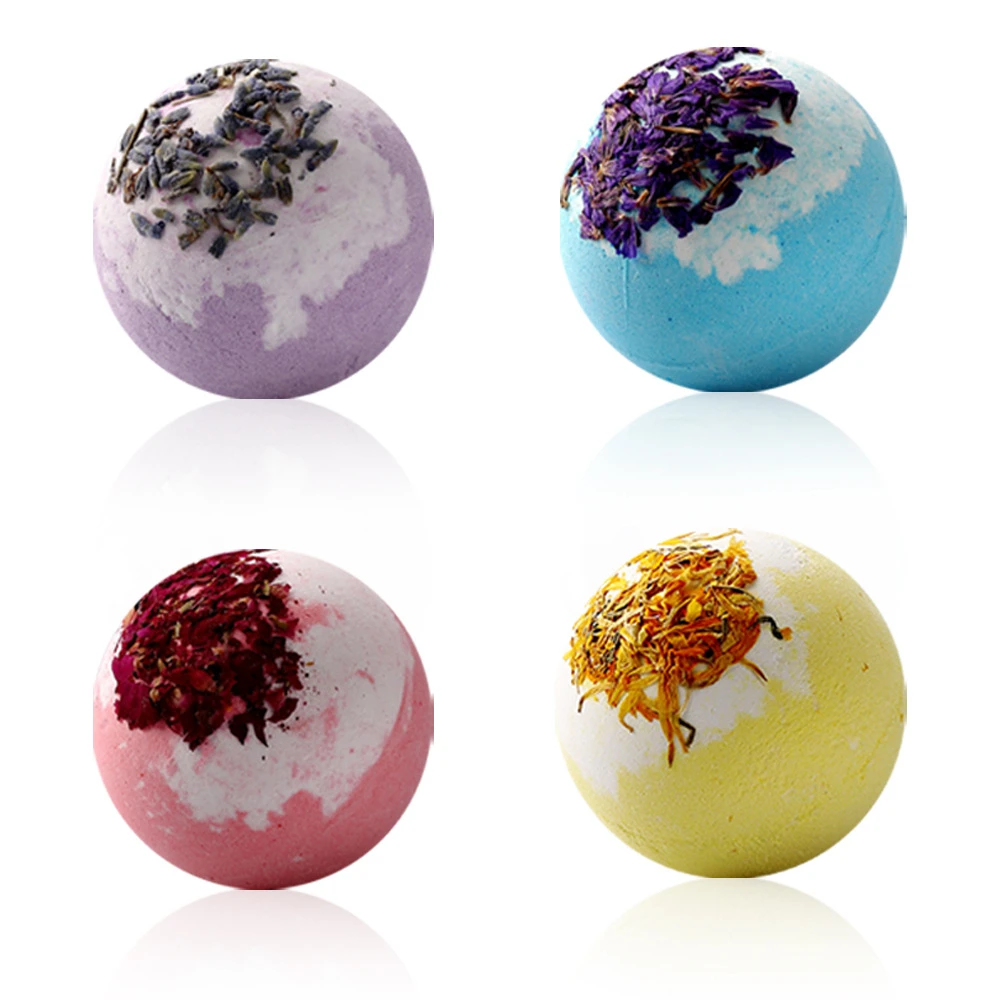
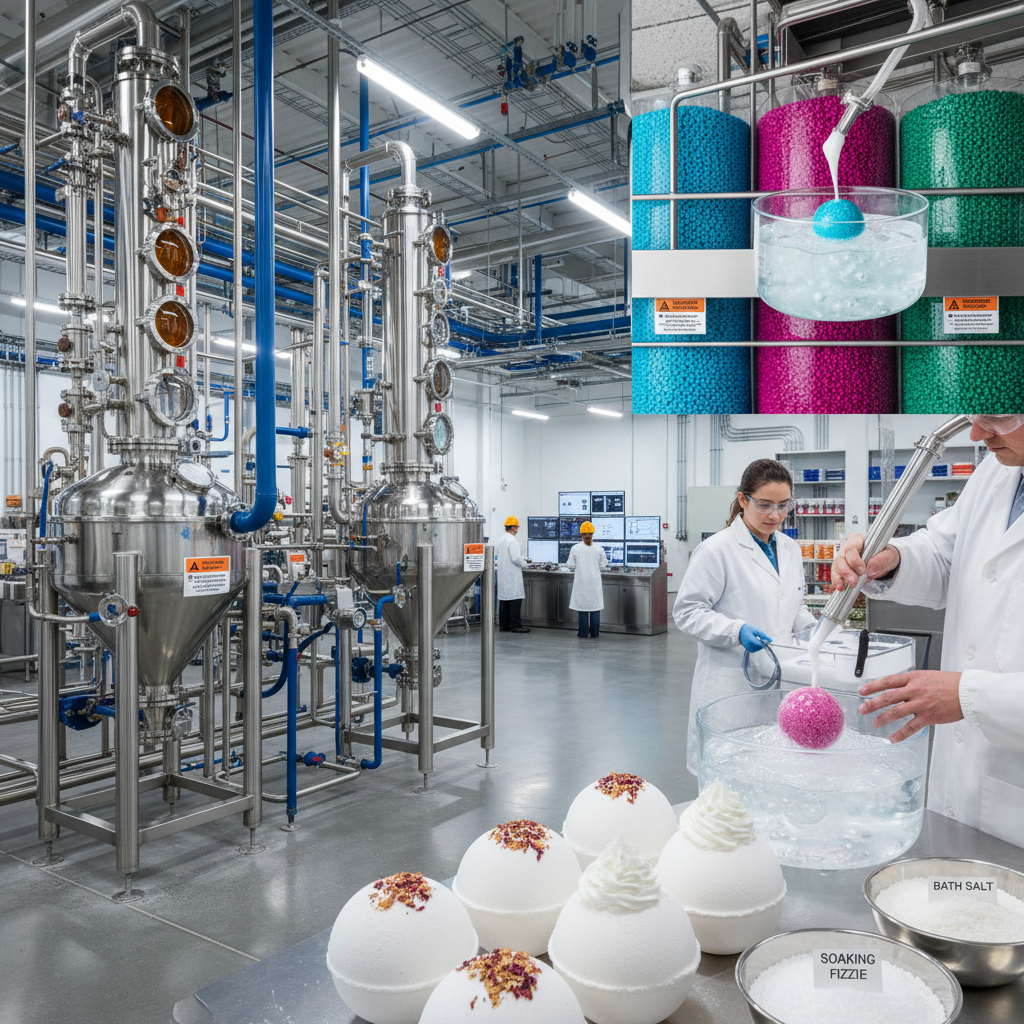
First, let me just say: while bath bombs feel kind of like a whimsical luxury, there’s actually quite a bit of engineering and material science behind them. From the delicate balance of sodium bicarbonate and citric acid to scent and colorant inclusions, everything has to be measured right or the end product won’t fizz properly. I remember one batch at a facility I visited where the granule size was too coarse — harmless, but it fizzed too slowly and left an odd residue. You don’t want that for your relaxing bath time.
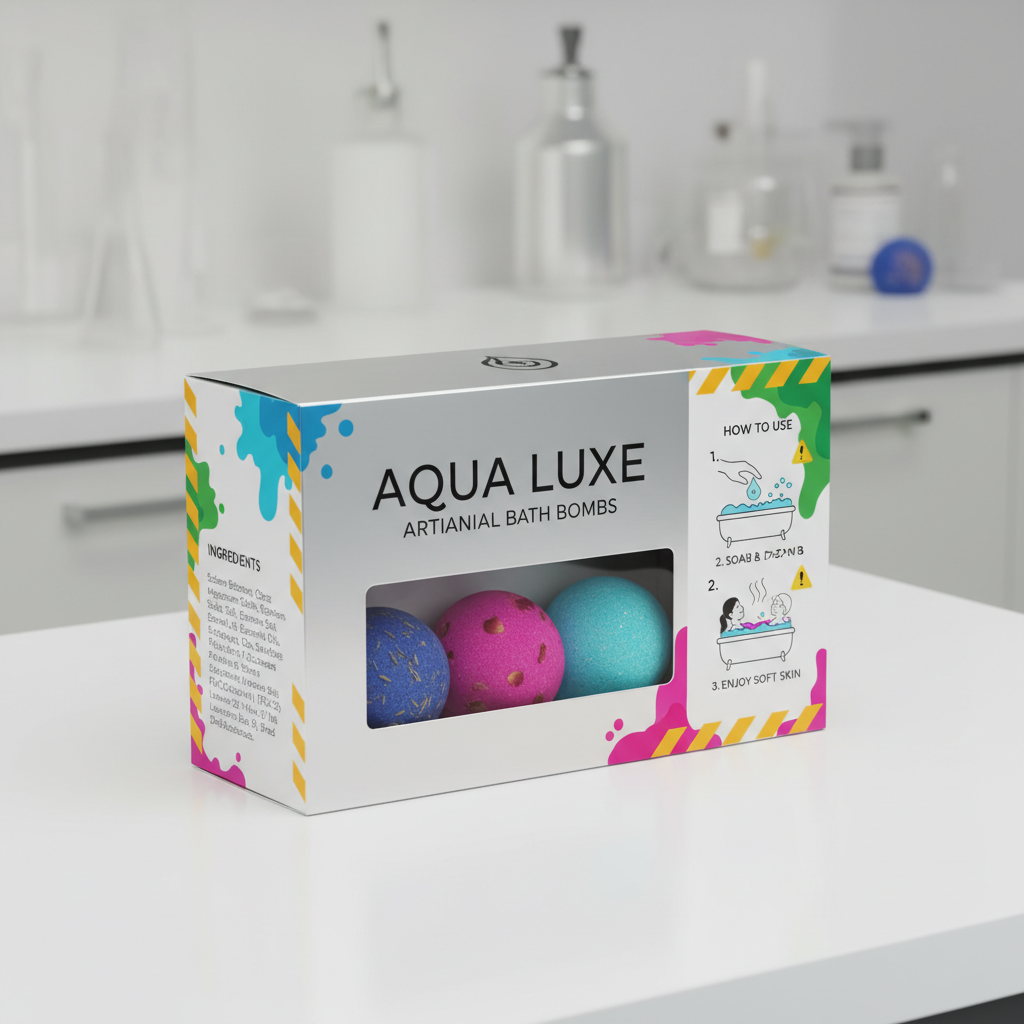
Directions matter in real terms. If you toss the bomb in before filling the tub, or wait too long to let it dissolve, you miss that fizz spectacle and aromatherapeutic benefit. Here’s a quick, practical set of directions that I've gathered from product labels and quality assurance docs:
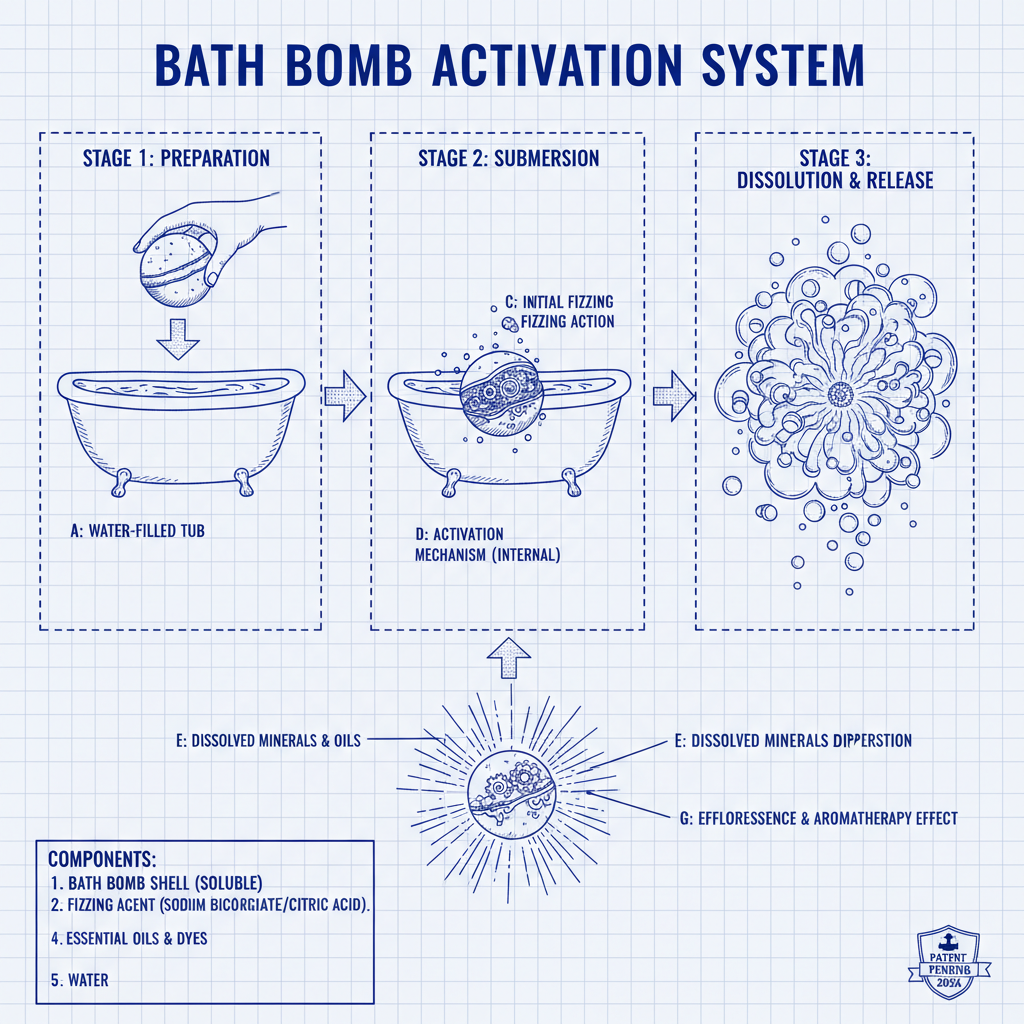
- Fill your bathtub with warm water to a comfortable depth (usually about 2-3 feet).
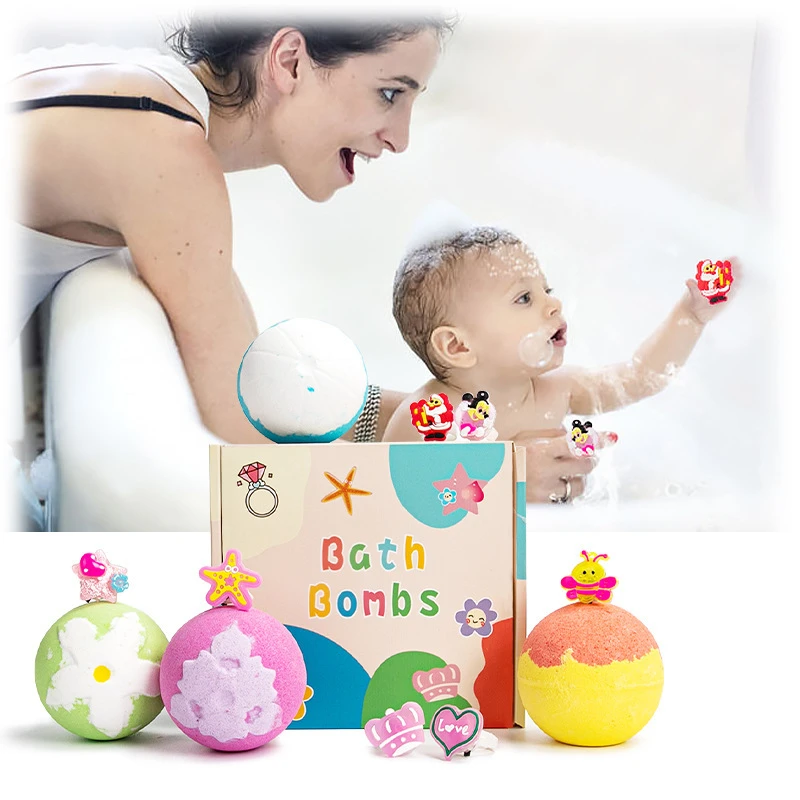
- Once the tub is nearly full, gently drop one bath bomb into the water.
- Watch it fizz and dissolve — the reaction releases fragrances and moisturizing oils.
- Soak and relax for 15–20 minutes to enjoy the full calming effect.
- After your bath, rinse off to remove any residue from your skin.
Sounds straightforward, right? I suppose one challenge is that bath bomb makers must also consider water chemistry differences, since hard or chlorinated water can affect fizz reaction times or scent release. I’ve seen R&D teams test multiple water types to find formulations that work universally — rather impressive, honestly.
| Product Specification | Typical Value |
|---|---|
| Diameter | 6 cm (2.4 inches) |
| Weight | 150 grams |
| Key Ingredients | Sodium bicarbonate, citric acid, essential oils, skin-safe colorants |
| Dissolution Time | 3-5 minutes in warm water |
| pH Range in Bath Water | 6.5 - 7.5 (skin-friendly) |
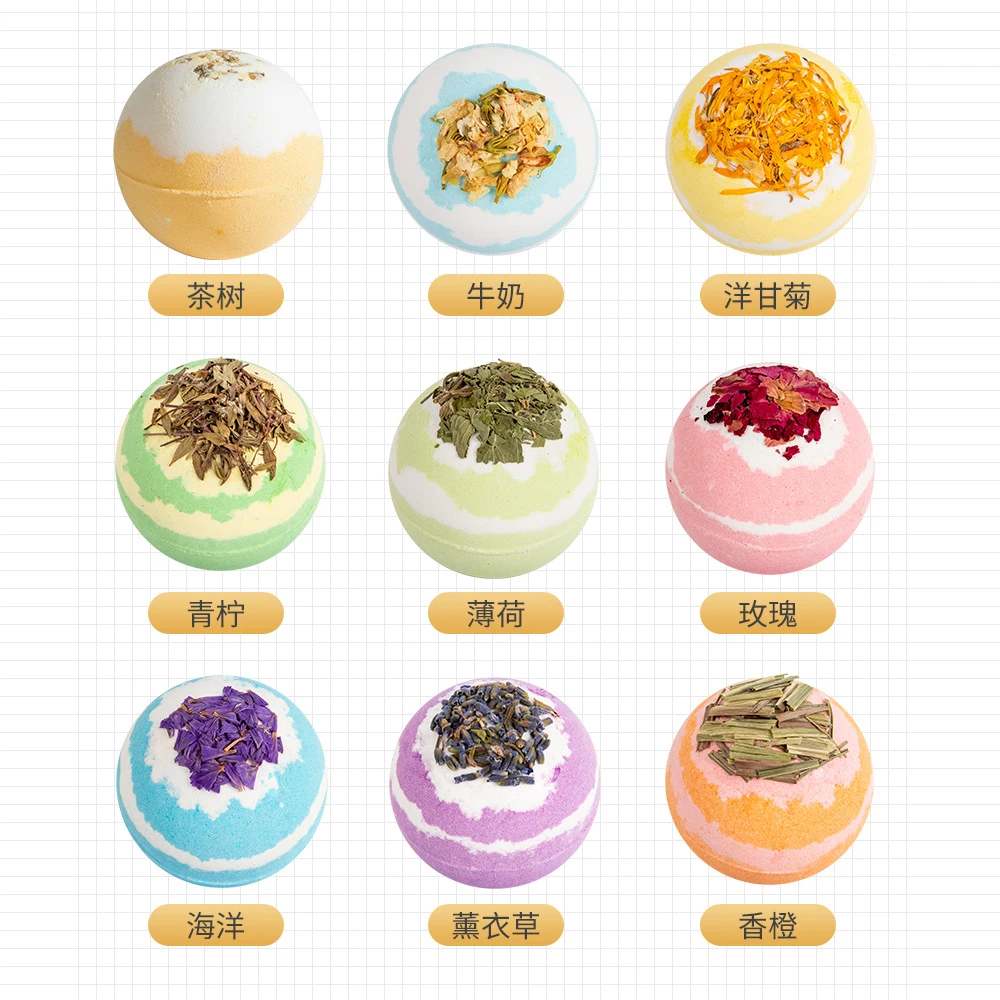
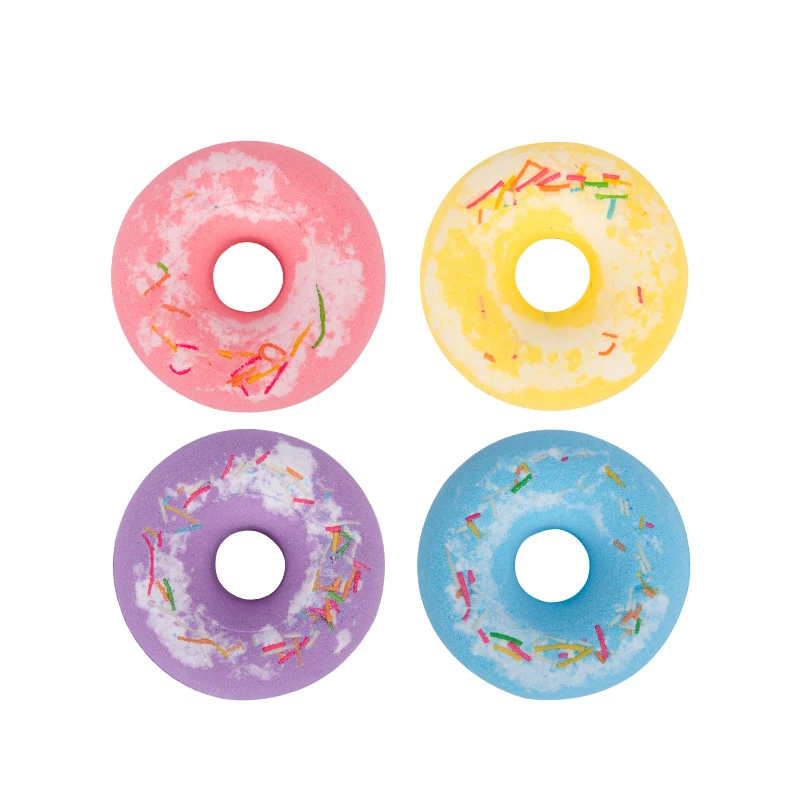
Comparing bath bombs across different brands reminded me a lot of vendor selection in industrial procurement. You want quality, consistent performance, and ideally a little customization. Some companies specialize in bath bombs with natural ingredients, others add vivid colors or surprising shapes. But you’ll find each offering slightly different specs and price points.
| Brand | Natural Ingredients | Price per Unit | Average Dissolution Time | User Rating |
|---|---|---|---|---|
| Enyu Body Care | Yes (Certified Organic) | $5.50 | 4 minutes | 4.7 / 5 |
| FizzWorks | Partial blends | $4.75 | 3.5 minutes | 4.2 / 5 |
| Bath Bliss | Synthetic fragrances | $3.99 | 5 minutes | 3.9 / 5 |
From a customer perspective, I recently overheard a friend mention how their skin felt silky smooth after using a bath bomb from Enyu Body Care, which they discovered through a recommendation. It was a pleasant surprise how such a simple product can lift spirits at the end of a hectic day. And frankly, that’s what great industrial design and quality control are all about — delivering consistent delight.
In closing, treating bath bombs with the same respect you’d give a finely-tuned piece of equipment—following directions carefully, selecting reputable vendors, understanding materials—pays off. Your bath isn’t just a routine; it’s a small but meaningful ritual.
So the next time you drop that fizzing orb into your tub, remember: there’s a blend of art, science, and industry behind the bubbles.
Cheers to simple pleasures, engineered well.
References:
- Industry Materials Data Sheets, Sodium Bicarbonate (2023)
- Bath Bomb Formulation Guide, Cosmetic Chem Society (2022)
- User Reviews and Feedback from Enyu Body Care Customer Portal (2023)