

How to Make Bath Bombs: Expert Tips from the Industrial Sector
Bath Bombs How To: A Practical Guide from an Industrial Equipment Perspective
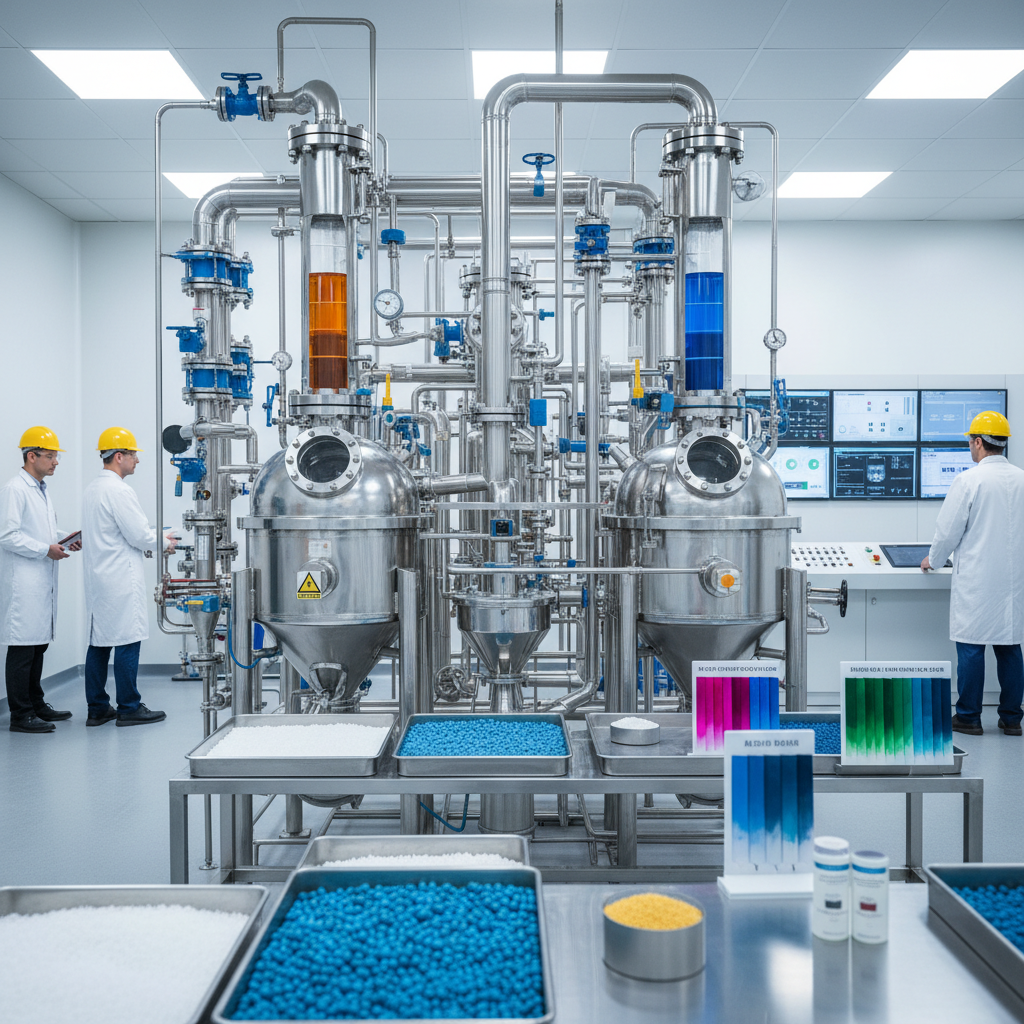
Having spent years in the industrial equipment sector, I confess crafting bath bombs isn't exactly the kind of workday I was used to, but oddly enough, the precision and materials science behind them makes the whole process fascinating—sort of like running a small-scale chemical plant, but for your bathtub. This guide will walk you through the basics of bath bombs, all from someone who appreciates the importance of product quality, testing, and user experience in an industrial setting.
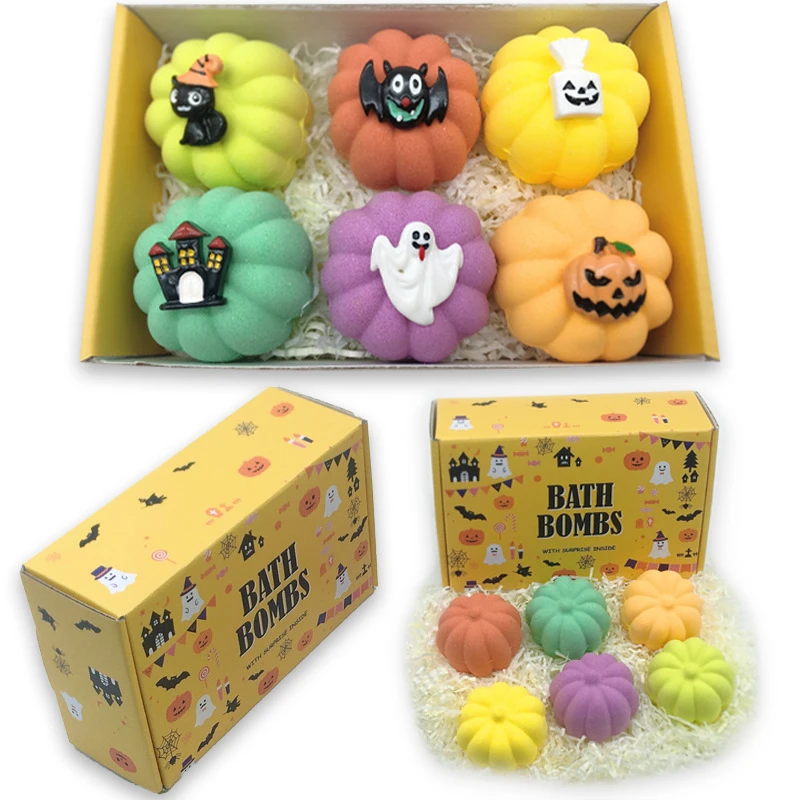
Why bath bombs? Well, beyond just fizz and fragrance, these little spheres of joy blend chemistry and craftsmanship. The industry trends point toward natural ingredients and customization, which ties nicely into material sourcing and quality assurance—two areas I know too well.
Understanding Ingredients & Product Design
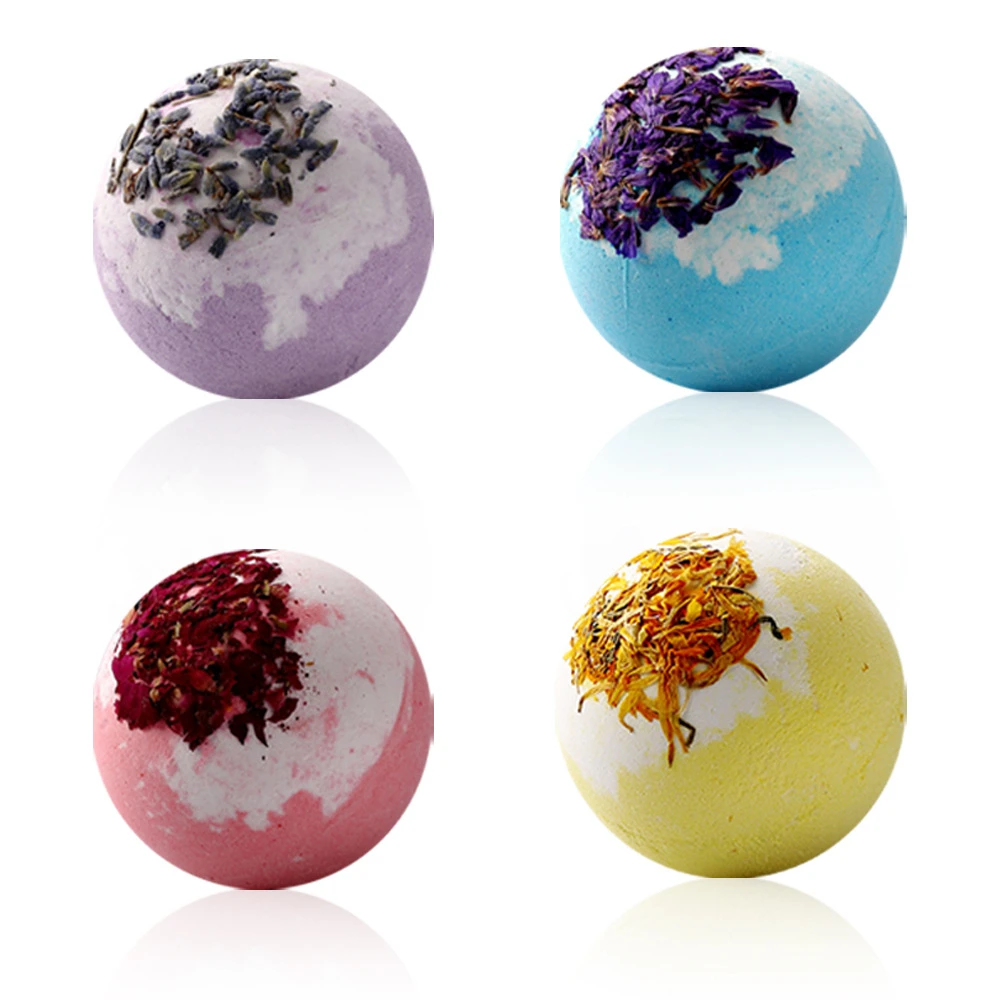
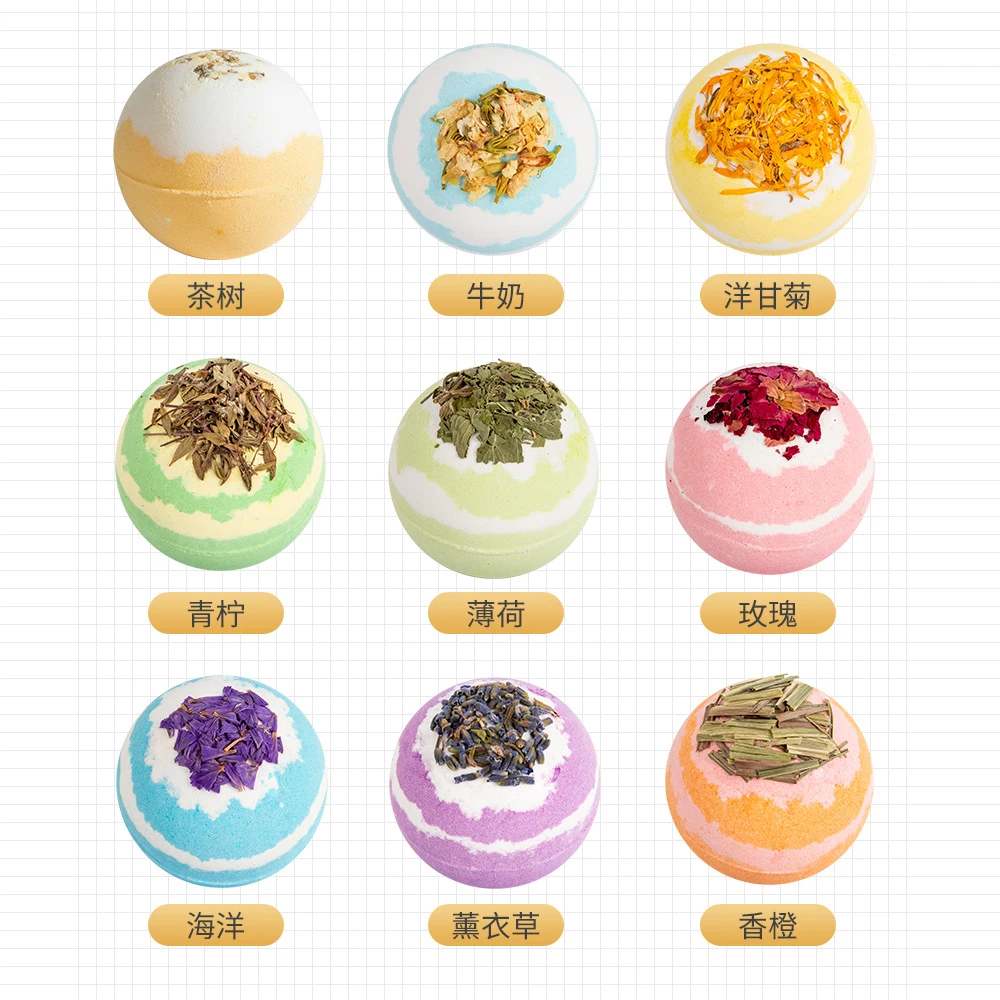
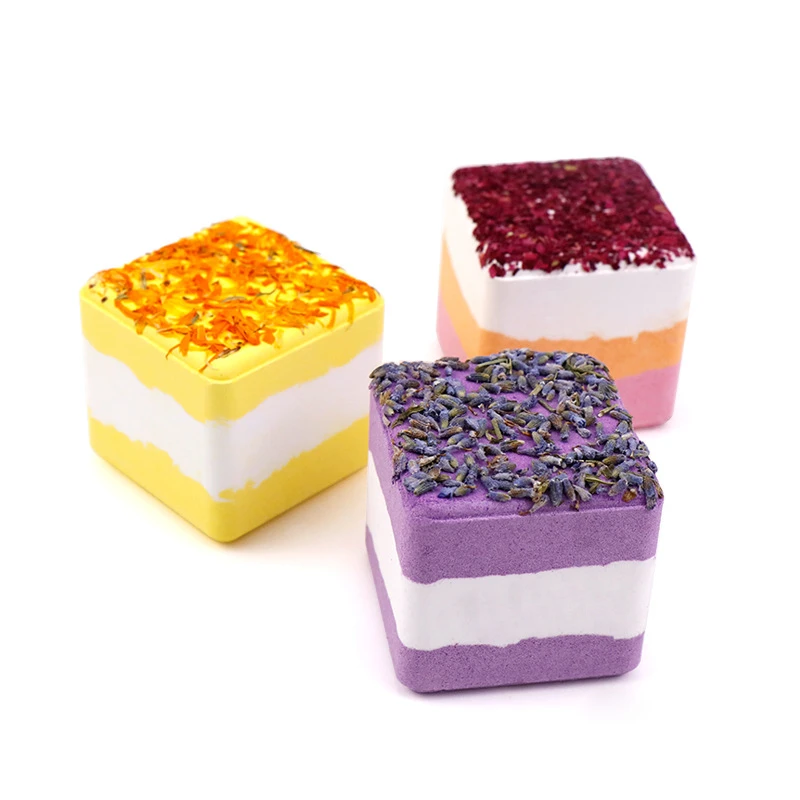
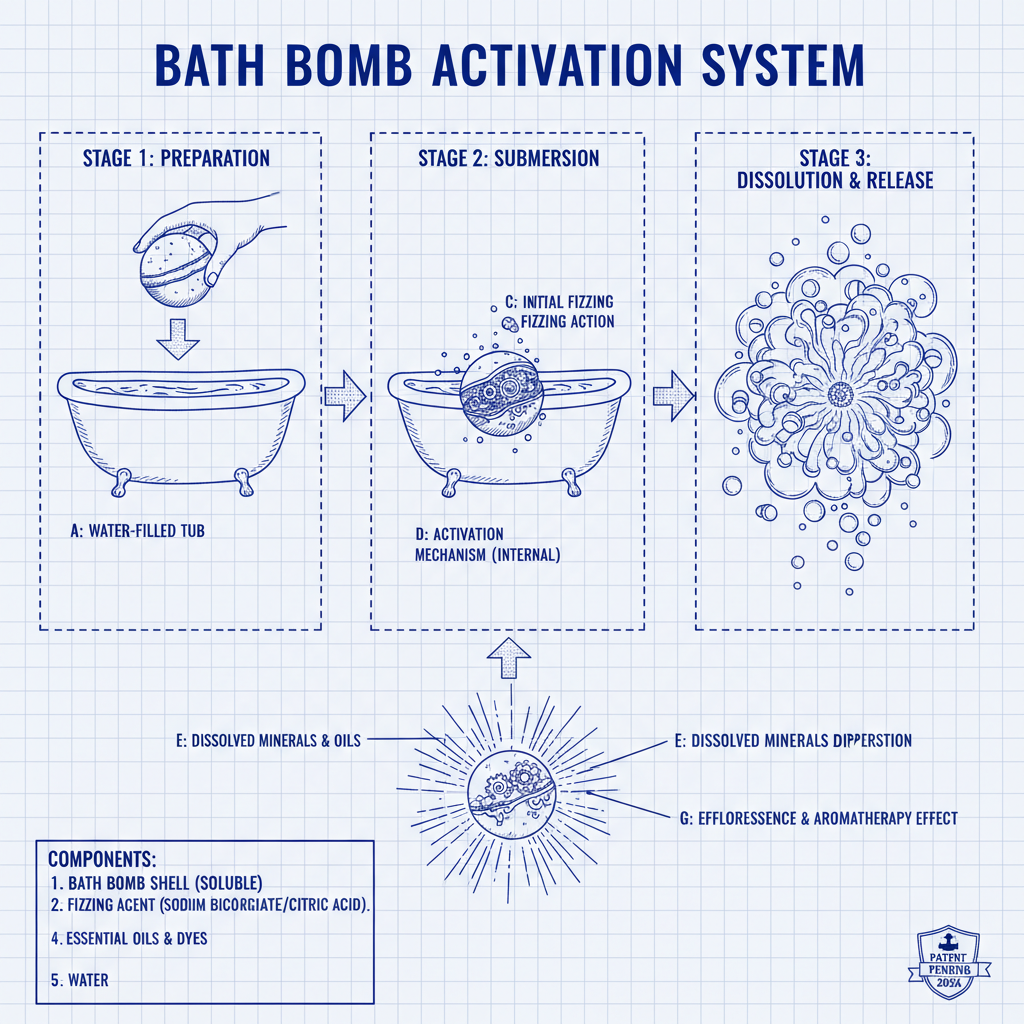
Bath bombs are primarily made from baking soda (sodium bicarbonate) and citric acid, which react with water to produce that iconic fizz. Additives like essential oils, naturals dyes, and moisturizing agents like shea butter or coconut oil are common. I've noticed many engineers emphasize consistent particle size and moisture control during production — tiny variables that make a huge difference in the finished product’s stability and fizz quality.
| Specification | Details |
|---|---|
| Primary Ingredients | Sodium Bicarbonate, Citric Acid |
| Additional Components | Essential Oils, Natural Colorants, Moisturizers |
| Typical Weight | 150-200 grams per bomb |
| Shelf Life | 6-12 months, depending on packaging |
| Production Method | Dry mixing with press molding or hand compacting |
Making Bath Bombs: Step-by-Step Process
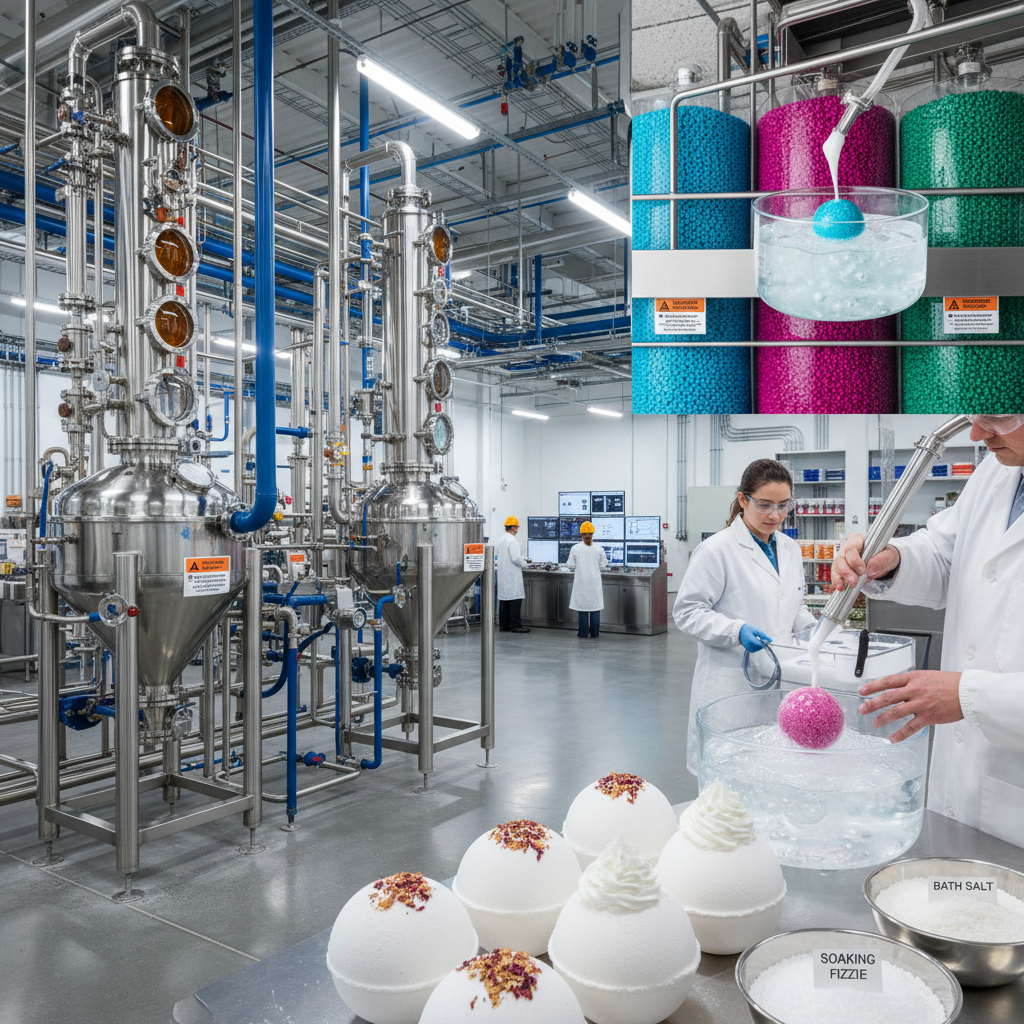
In real terms, the process can be wonderfully simple, yet demands some care. First, you sift and mix your dry ingredients to ensure even particle distribution. Next, you slowly add your liquid components — oils and water — carefully to avoid premature fizzing. The mixture is then pressed into molds and left to dry for 24-48 hours. Once hardened, the bombs are packaged to maintain dryness and longevity.
Frankly, I was surprised at how much the ambient humidity during production affects the quality — even a small moisture spike leads to crumbling products. Many in industrial manufacturing would nod at that; quality control is king, always.
| Vendor | Price per Unit | Customization Options | Quality Certification |
|---|---|---|---|
| Enyu Body Care | $3.50 | Custom scents & sizes | ISO 22716 GMP Certified |
| Bomb Delights Ltd. | $3.00 | Limited color options | None |
| Fizz Factory | $4.00 | Bulk orders only | ISO 9001 Certified |
User Experience and Advantages
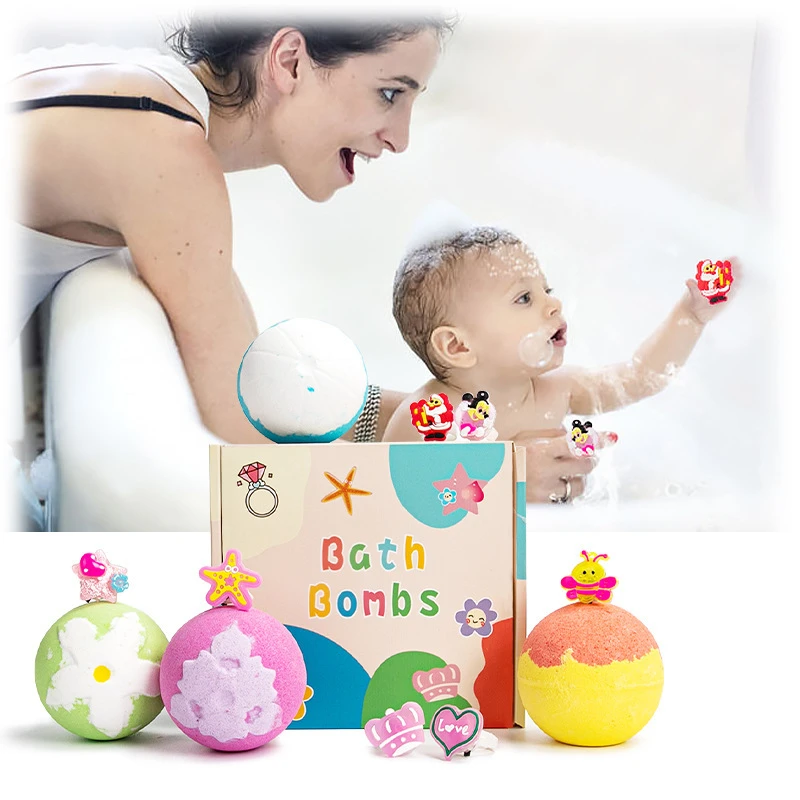
From my observations (and admittedly a few relaxing bathtub trials), a well-made bath bomb transforms an ordinary soak into a spa-like experience. The fizz is satisfying, but more importantly, the oils and botanicals add real skin benefits — hydration, aromatherapy, and a touch of luxury.
I recall a customer who was initially skeptical about bath bombs, citing sensitive skin. After switching to a product from a trusted certified supplier—like Enyu Body Care—which uses natural, high-grade ingredients, she reported a noticeable soothing effect without irritation. That kind of feedback echoes what industry professionals know: ingredient quality and process control mean everything.
Customization and Testing
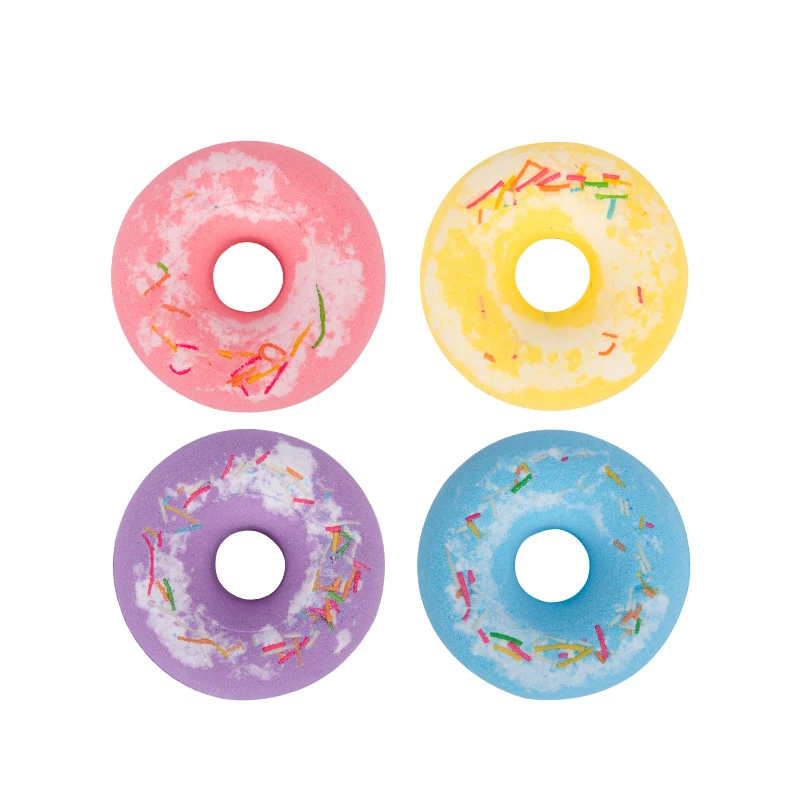
Customization isn’t just about pretty colors or lovely scents—it's about meeting customer needs and expectations reliably. Many brands now invest in batch testing to control pH balance, ensure uniform fizzing, and verify ingredient purity. It’s like what we do with industrial machinery: no detail is too small when it comes to consistent performance.
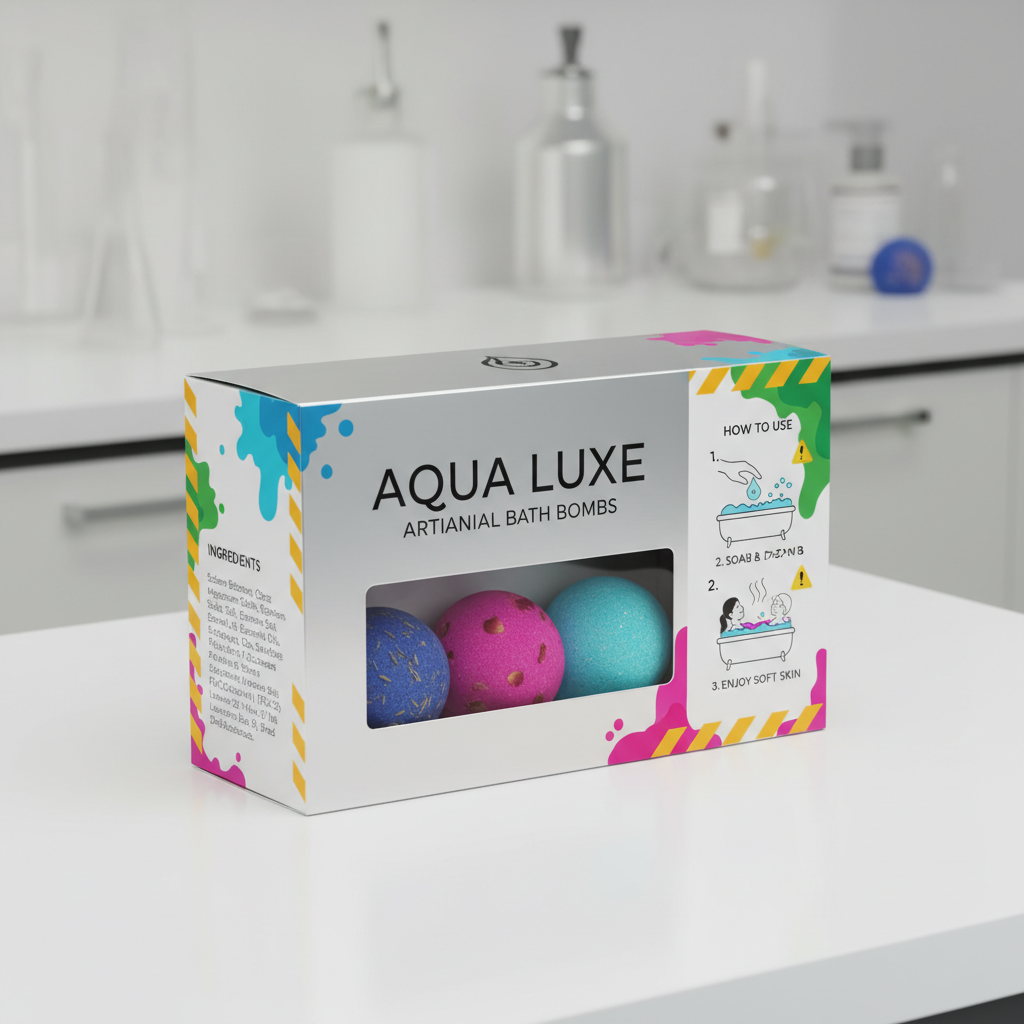
So, whether you’re just dabbling to make gifts or considering small-scale production, remember: the devil’s in the details, but the rewards — fragrant, fun baths — are well worth the effort.
Bath bombs might seem whimsical, but with the right materials and a bit of industrial mindfulness, they deliver a true sensory experience every time.
References:
1. Personal industry experience and on-site production observations.
2. Enyu Body Care product details and certifications.
3. Cosmetic product manufacturing guidelines (ISO 22716).