

Simple Bath Bombs: Benefits, Trends & Global Insights on Natural Bath Care
Understanding Simple Bath Bombs: Everyday Luxury Meets Practical Wellness
If you’ve ever watched a bath bomb fizz and swirl colors in your tub, you’ve witnessed a little chemistry magic first-hand. Simple bath bombs, though seemingly small indulgences, actually play an intriguing role globally—from self-care routines to sustainable wellness trends. Why does this matter? Because these fizzy spheres represent an industry where natural ingredients, environmental awareness, and consumer wellness converge in refreshing, easy-to-make ways. Plus, they reflect a shift toward simplicity and mindfulness in everyday products.
Global Context of Simple Bath Bombs
The personal care sector, which includes bath and body products, was valued at over $300 billion in 2023 (Source: Statista). Within this thriving market, bath bombs are fast becoming a favorite, especially as consumers seek natural and sustainable options. Beyond luxury, many environmental concerns drive innovation in how these products are formulated—think biodegradable packaging or vegan ingredients. Oddly enough, the simple bath bomb encapsulates a broader global interest in minimal waste and wellness-focused products.
However, challenges exist, including ingredient sourcing, consumer education on natural formulas, and competition amid an explosively crowded market. This makes it fascinating to explore why simple bath bombs continue gaining traction, particularly as more people turn to home-based self-care.
What Exactly Are Simple Bath Bombs?
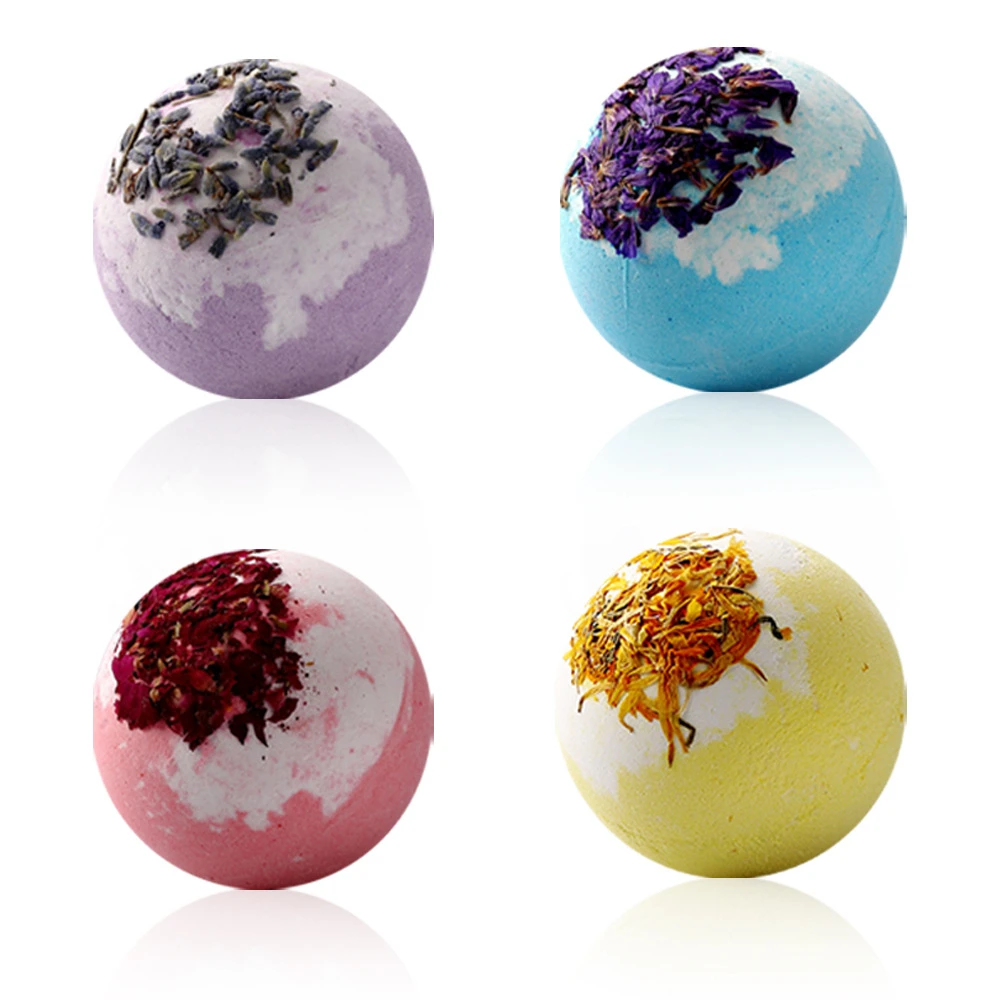
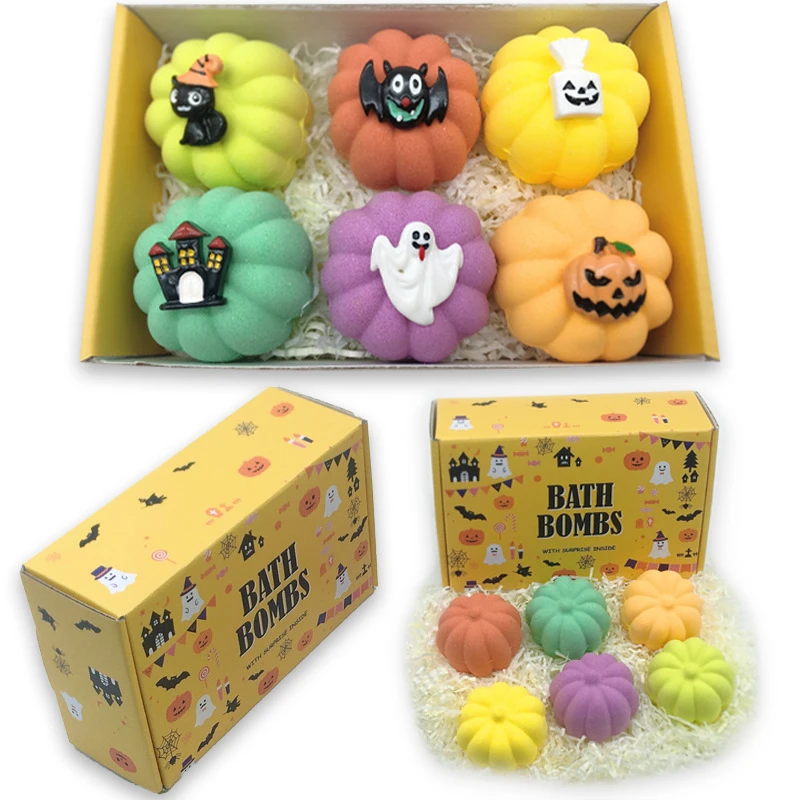
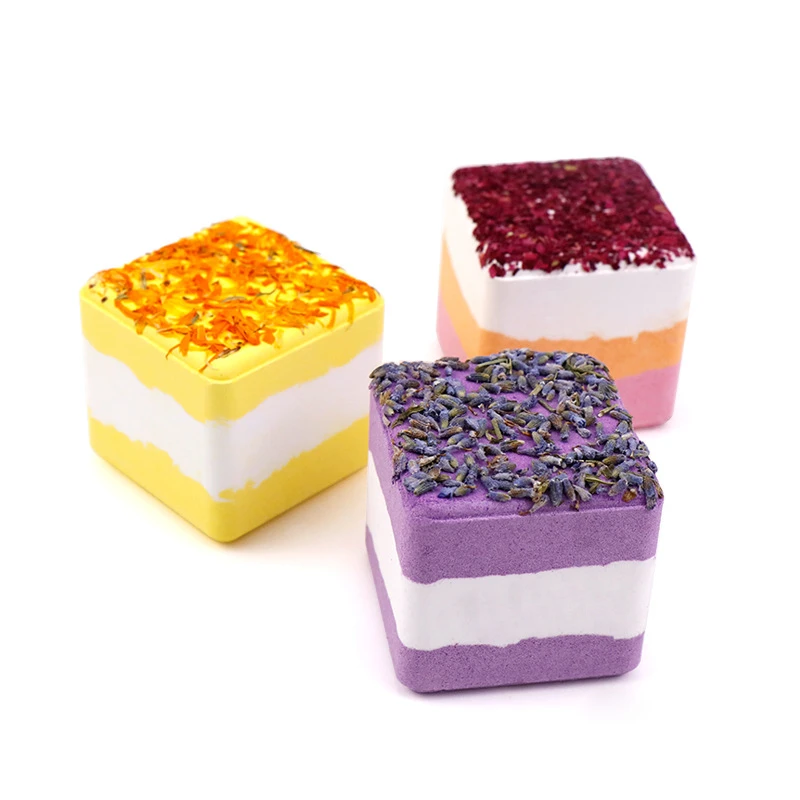
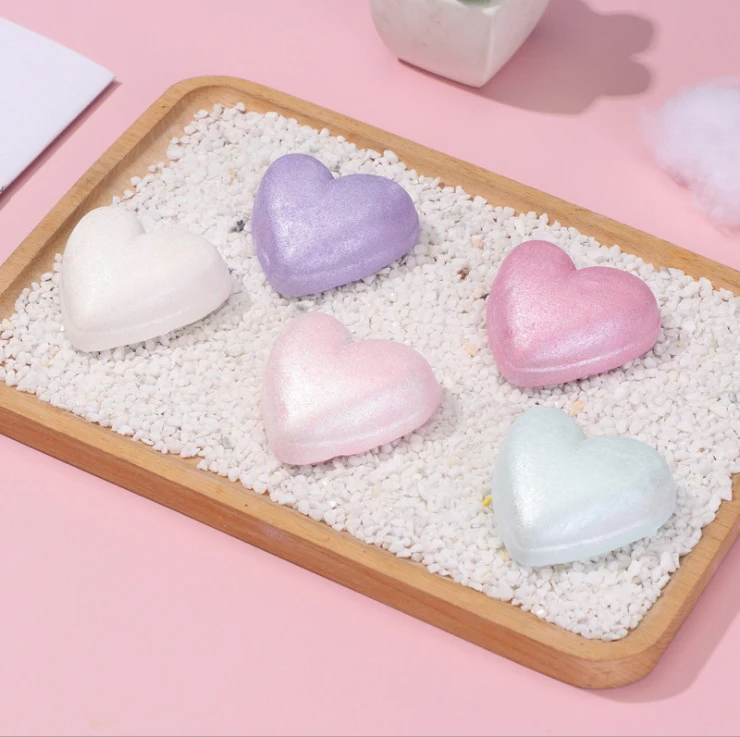
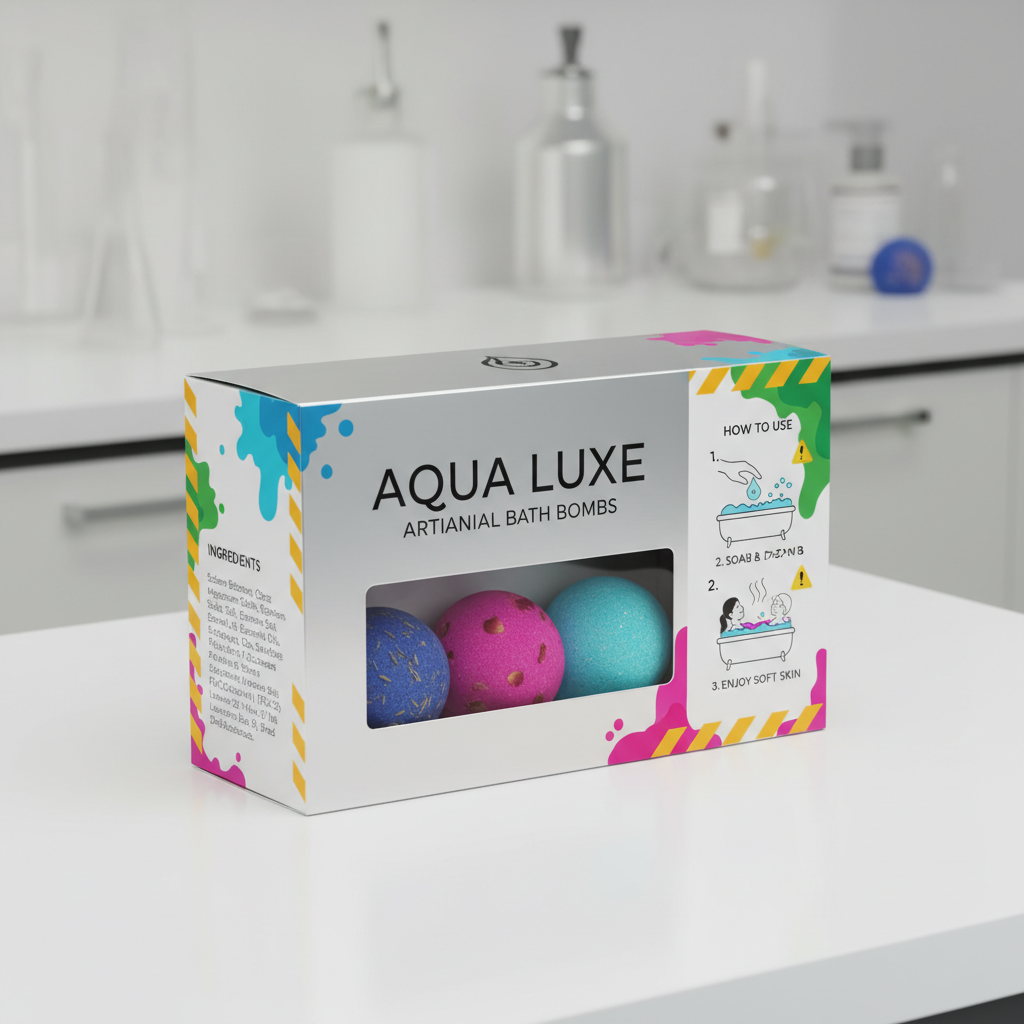
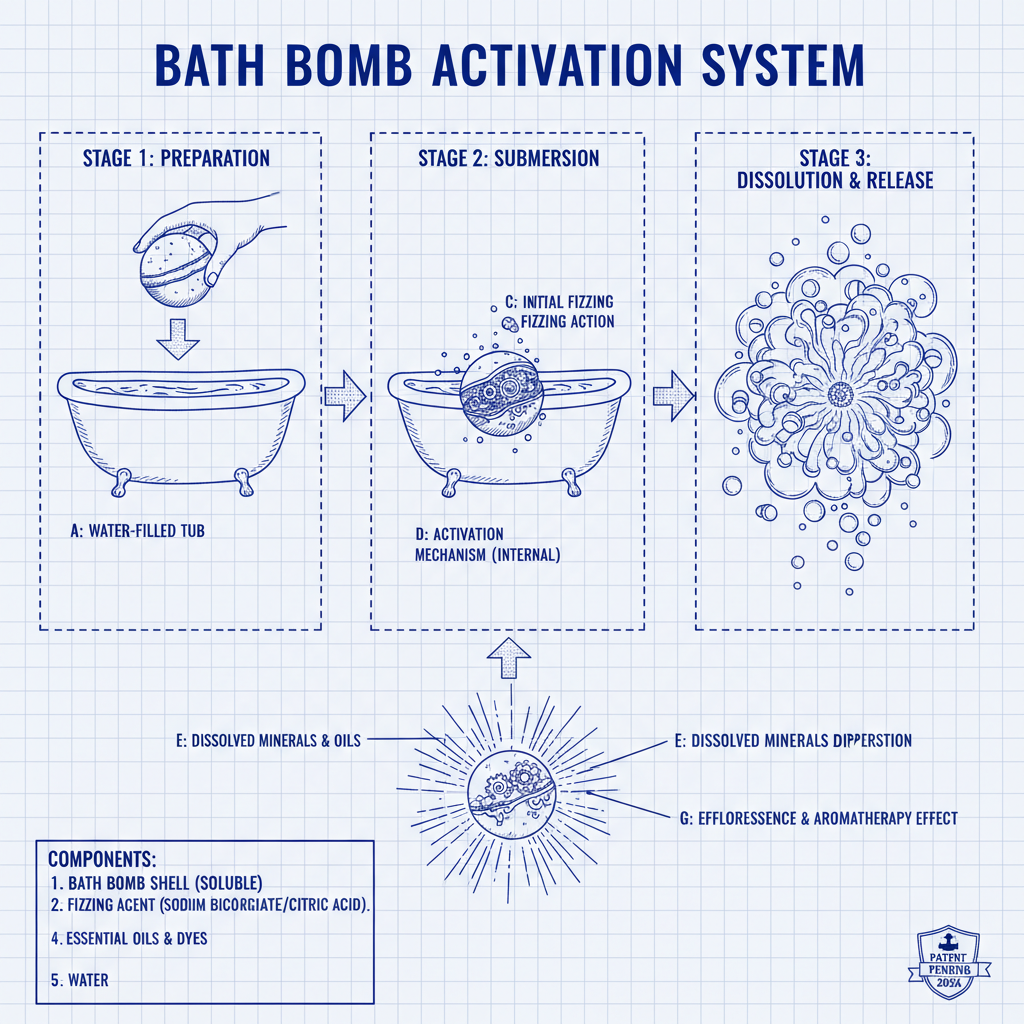
At its core, a simple bath bomb is a compact, dry mixture of baking soda, citric acid, natural oils, and optionally, colorants or fragrances that effervesce when dropped into water. This fizzing action cleanses and releases scents or skin-soothing agents.
While the idea’s straightforward, its impact is multifold — combining science, sensory delight, and wellness benefits. It’s connected to modern personal care trends emphasizing natural ingredients, as well as efforts in the cosmetics industry to reduce synthetic additives.
Key Components of Simple Bath Bombs
1. Effervescent Agents
Baking soda and citric acid form the classic fizz-inducing duo. This reaction creates carbon dioxide bubbles that deliver the bath bomb’s signature effect.
2. Oils and Moisturizers
Natural oils like coconut or jojoba work their magic by hydrating skin and providing subtle aromas. Their choice influences the softness and scent intensity.
3. Coloring and Additives
Many simple bath bombs use natural colorants like beetroot powder or turmeric, avoiding synthetic dyes, which appeals to eco-conscious buyers.
4. Fragrances
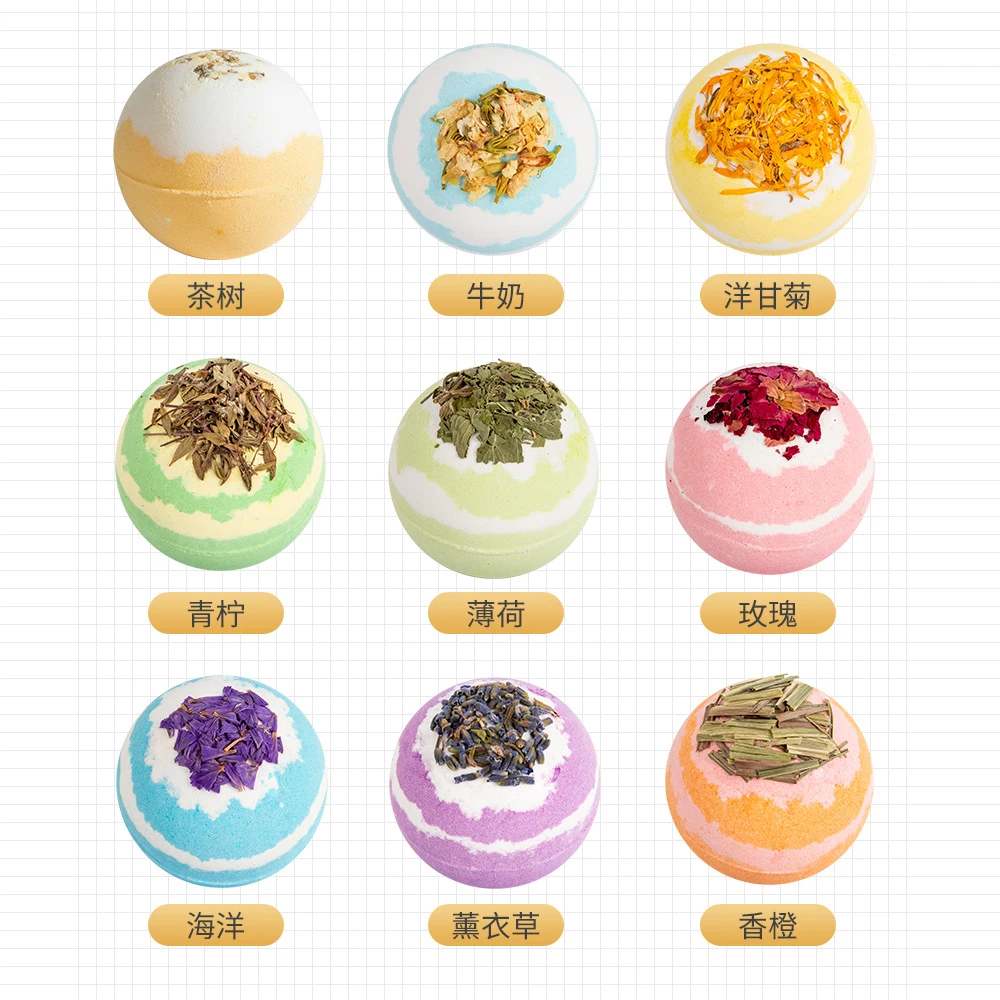
Essential oils such as lavender or eucalyptus enhance relaxation and wellness. Their selection often reflects current aromatherapy trends.
Product Specifications Table
| Feature | Typical Ingredient | Purpose |
|---|---|---|
| Effervescent Base | Baking Soda, Citric Acid | Fizz and dissolve in water |
| Carrier Oils | Coconut Oil, Sweet Almond Oil | Moisturize and soften skin |
| Fragrance | Essential Oils (Lavender, Eucalyptus) | Aromatherapy and scent |
| Colorants | Beetroot Powder, Spirulina | Natural coloring effects |
Mini takeaway: Simple bath bombs rely on a handful of natural ingredients working together — fizzers, oils, scents, and colors — to provide an enjoyable and skin-friendly experience.
Global Applications & Use Cases
- Wellness and beauty industries: Brands across Europe and North America increasingly feature bath bombs as part of natural and cruelty-free product lines.
- Artisan and DIY movements: Small-scale producers and hobbyists craft simple bath bombs at home, online tutorials making this more accessible.
- Hospitality and spa sectors: Eco-conscious hotels and spas around Asia and Australia use simple bath bombs for guest experiences emphasizing relaxation and sustainability.
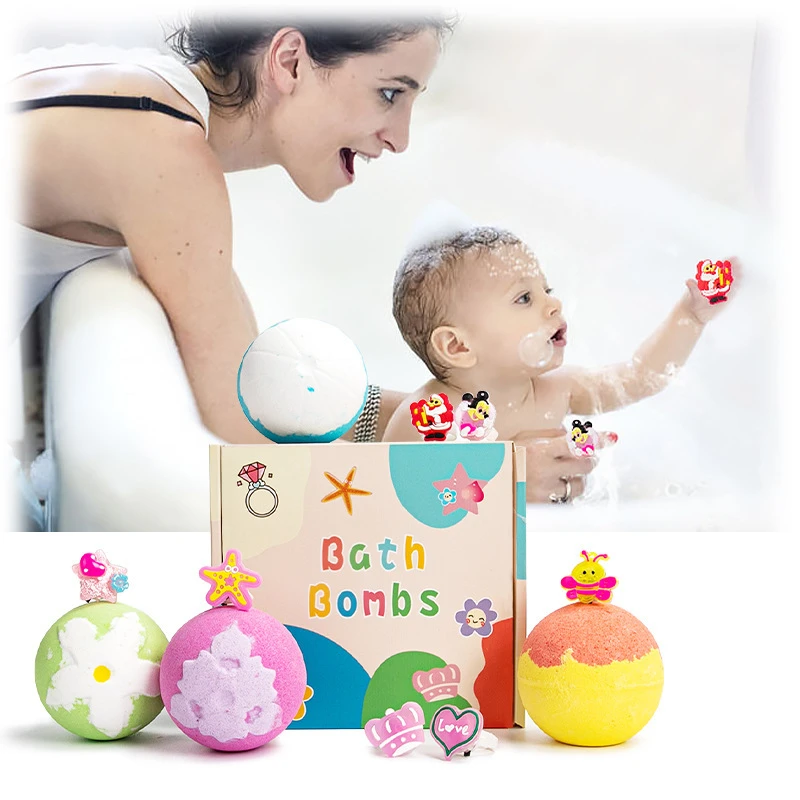
- Gifting and subscription markets: Bath bombs often appear in curated wellness gift boxes, especially in urban centers with demand for easy self-care rituals.
In real terms, simple bath bombs have become a kind of universal comfort — from yoga studios in Bangalore to boutique stores in Berlin. Oddly enough, their simplicity is exactly what makes their appeal so global.
Vendor Comparison Table
| Vendor | Ingredient Source | Price Range | Sustainability Focus |
|---|---|---|---|
| Fizz & Co. | Organic Plant Oils | $3–$6 per unit | Biodegradable packaging |
| Nature’s Bath | Wild-Harvested Botanicals | $4–$7 per unit | Fair trade ingredients |
| SimpleSoak | Locally Sourced Oils | $2–$5 per unit | Minimal plastic use |
Advantages & Long-Term Value of Simple Bath Bombs
There’s a striking simplicity in the value proposition of bath bombs. They offer an affordable way to enrich bathing routines, making wellness feel accessible rather than exclusive. The emotional appeal? Safety and comfort, in that little moment of calm after a long day. Logically, they can reduce reliance on harsh soaps and chemical additives, supporting skin health — especially important for those with sensitivities.
On a broader scale, brands focusing on biodegradable ingredients and packaging contribute to sustainability goals. It’s innovation in a compact form, marrying joy, eco-consciousness, and practicality.
Future Trends & Innovations
Sustainability will continue to shape bath bomb development. Imagine formulations using renewable bio-based effervescent agents or ultra-clean essential oils cultivated through precision agriculture. Digital tools may let consumers personalize their bath bombs online, selecting scents or nutrients tailored to their skin’s needs.
Plus, smaller batch artisanal methods might blend with automated production, offering the best of craft and consistency. Regulatory shifts around natural cosmetics also encourage transparency, which helps consumers trust products more deeply — a win for both makers and buyers.
Challenges & Solutions
Sourcing truly sustainable ingredients still presents hurdles — supply chain disruptions or premium costs can hold back smaller producers. Also, consumers sometimes confuse “natural” with “safe,” though allergens exist in essential oils, for example.
Expertise in formulation ensures bath bombs stay stable without artificial preservatives. Innovation in ingredient transparency, and educating end-users about proper use, goes a long way.
FAQ: Frequently Asked Questions About Simple Bath Bombs
- Are simple bath bombs safe for sensitive skin?
- Many simple bath bombs use natural ingredients gentle on skin, but essential oils and fragrances can cause reactions. It's best to check label ingredients and do a patch test before full use.
- How long do simple bath bombs take to dissolve fully?
- Most dissolve within 3 to 5 minutes in warm water, releasing their scent and moisture benefits evenly across bath time.
- Can I make simple bath bombs at home easily?
- Absolutely! With common baking soda, citric acid, oils, and molds, DIY bath bombs are accessible. Many online tutorials and kits provide step-by-step guidance for beginners.
- Are simple bath bombs environmentally friendly?
- Yes, when made with biodegradable ingredients and minimal packaging. Look for brands that avoid synthetic dyes and plastic-based wrapping to be more eco-conscious.
Conclusion: Why Simple Bath Bombs Matter
Simple bath bombs aren’t just a self-care fad—they embody a thoughtful balance of natural wellness, environmental mindfulness, and accessible luxury. Their enduring appeal lies in transforming an ordinary bath into a nurturing moment, with minimal footprint on the planet.
Curious to start your journey with simple bath bombs? Visit our website: https://www.enyubodycare.com for curated products and insights.
Takeaway: It’s often the simplest things—like a humble bath bomb—that quietly enrich our daily lives and connect us, globally, to wellness and sustainability.