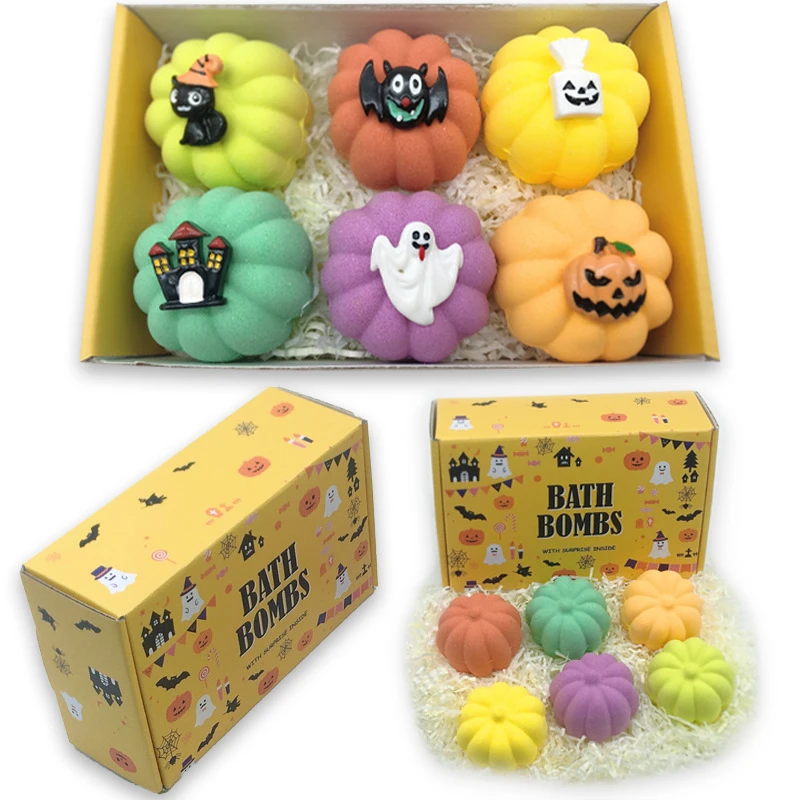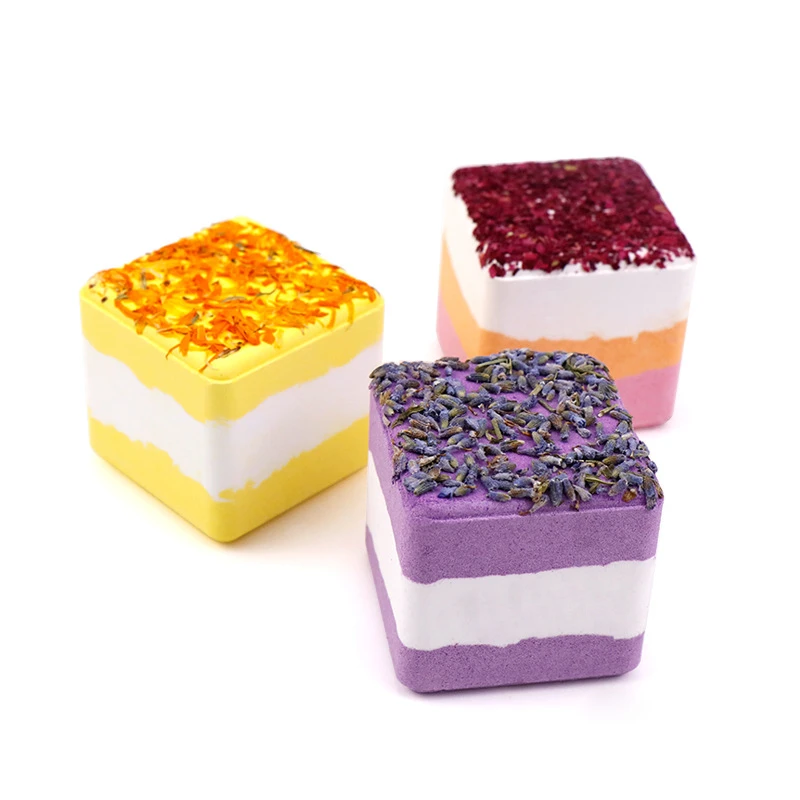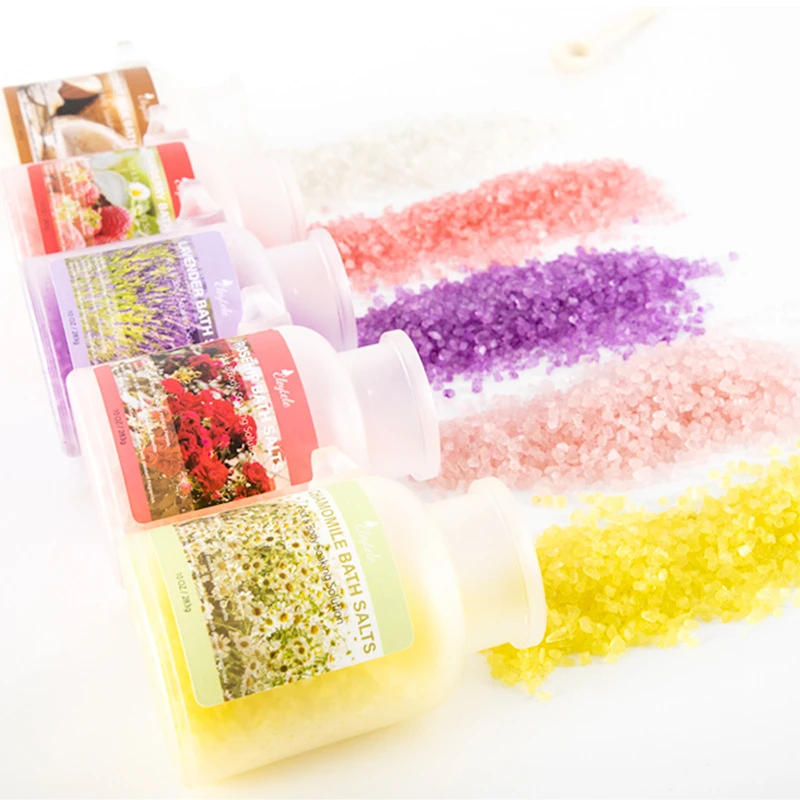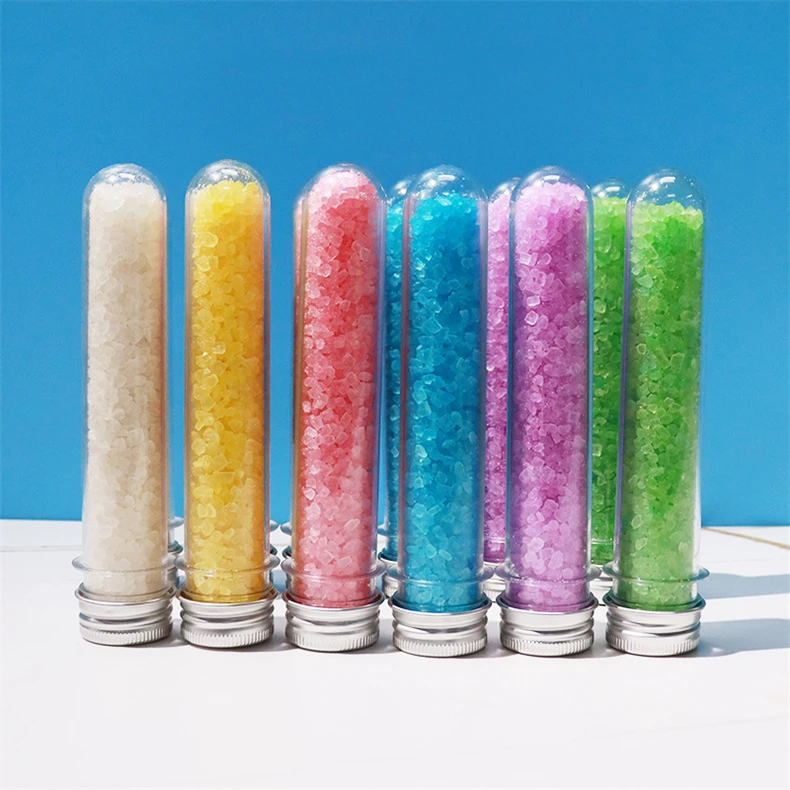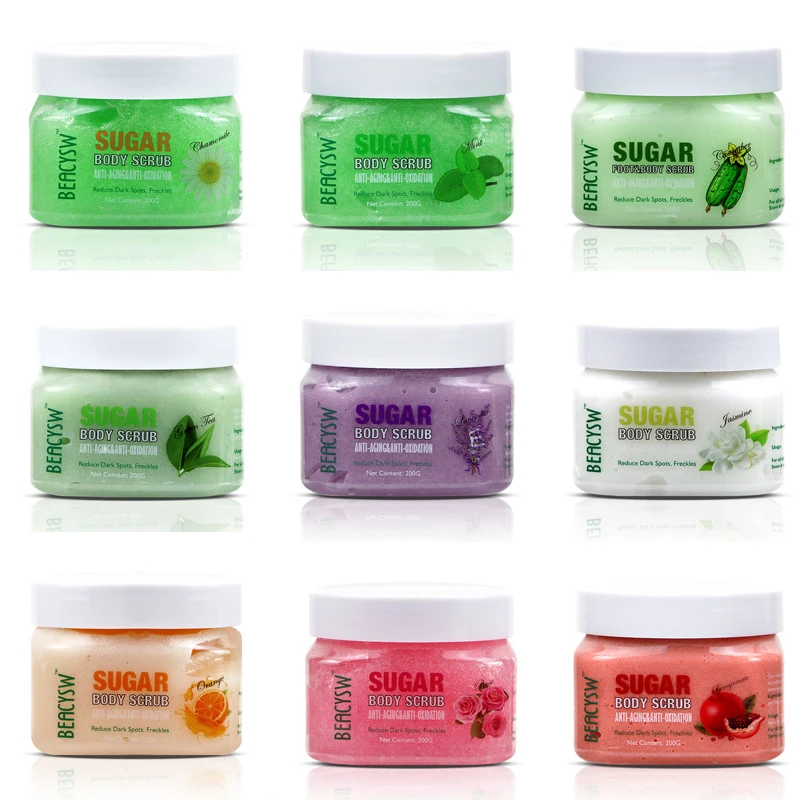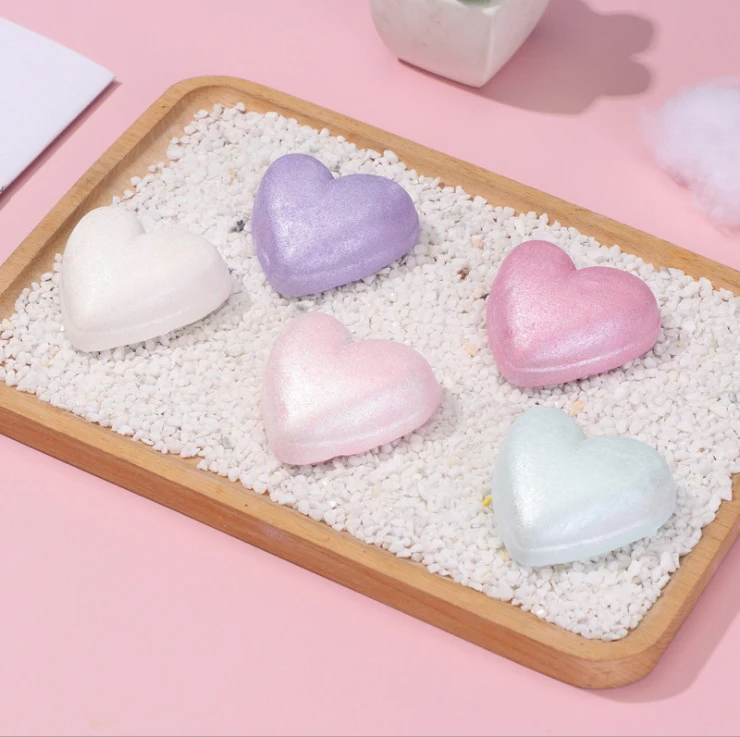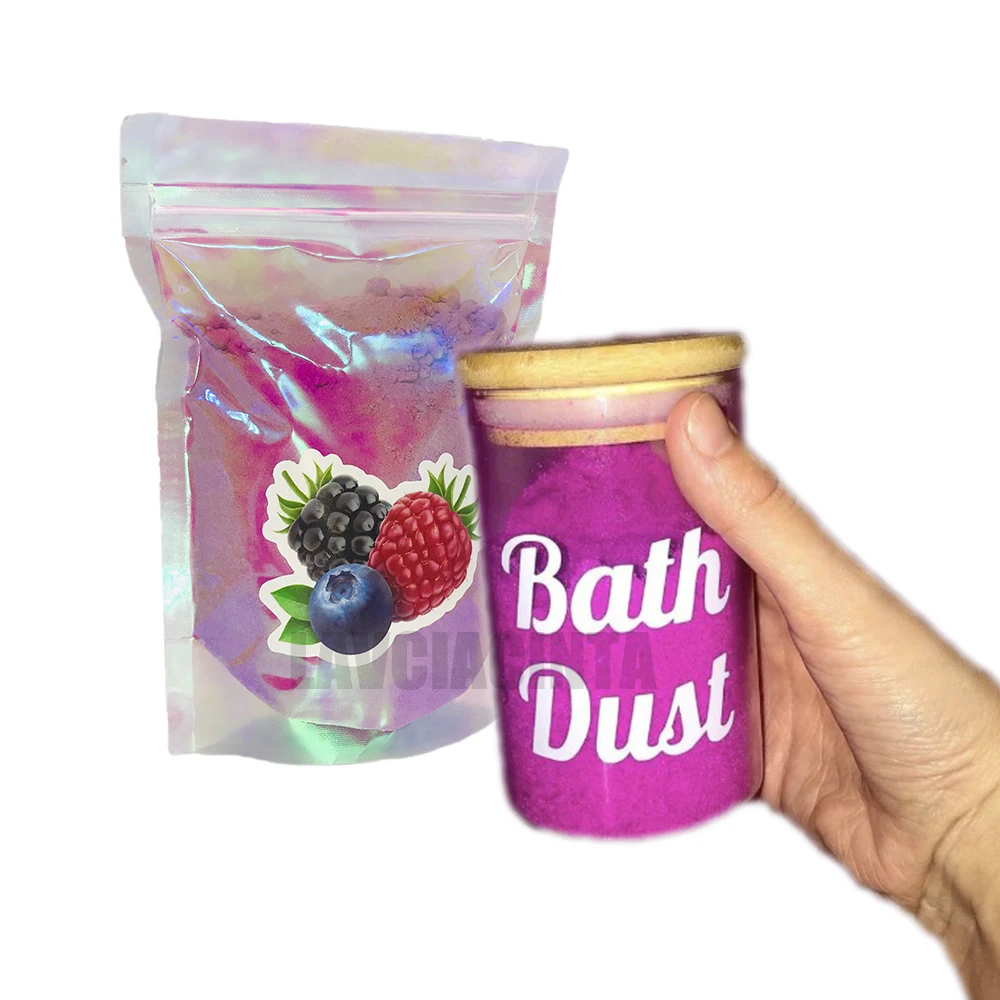


Need bath items for women that are clean, luxurious?
Coffee Sea Salt Scrubs Are Quietly Redefining bath items for women
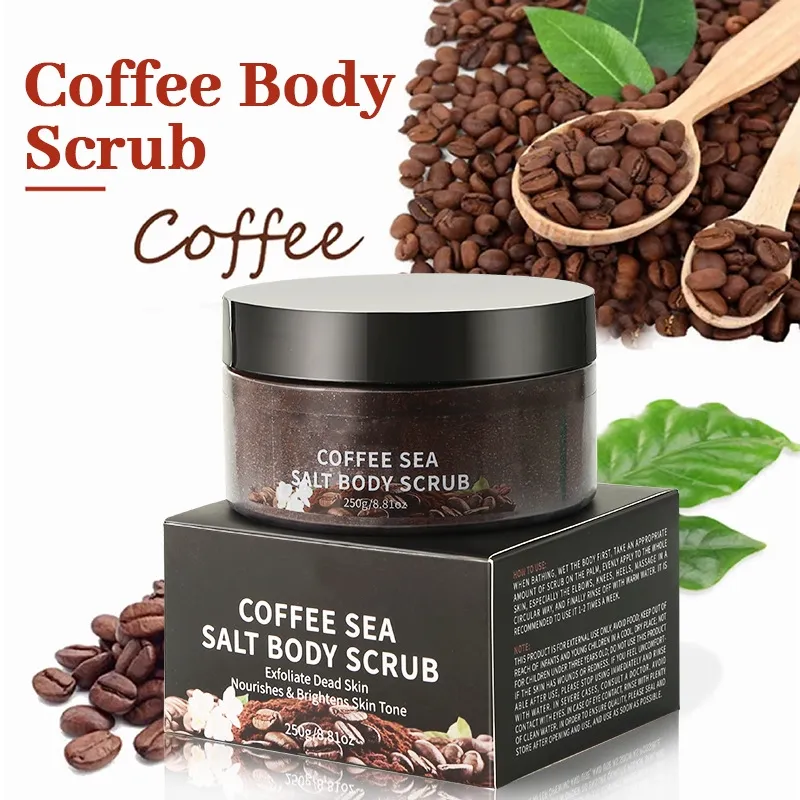
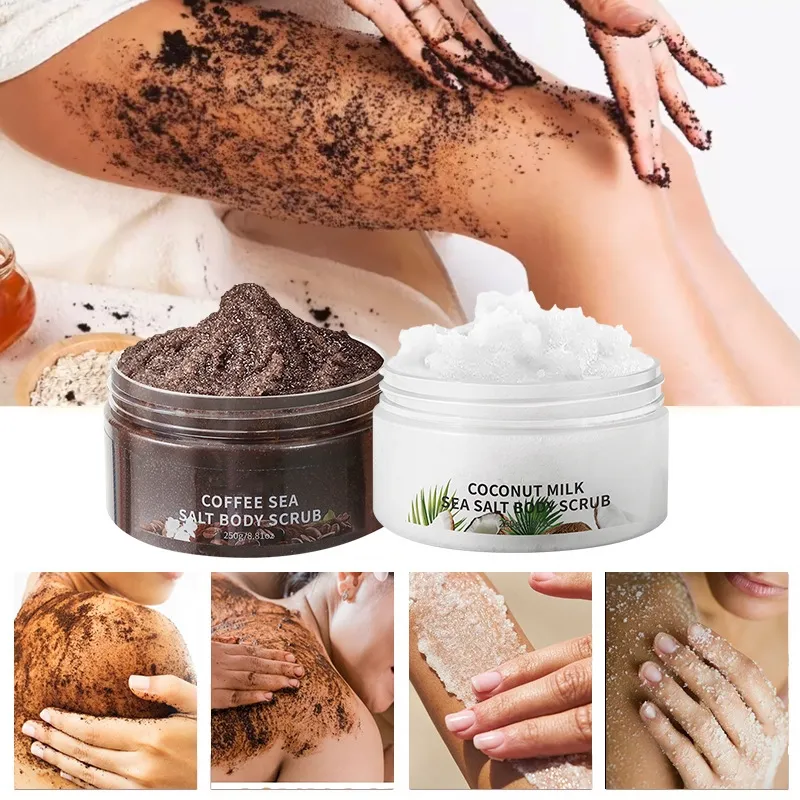
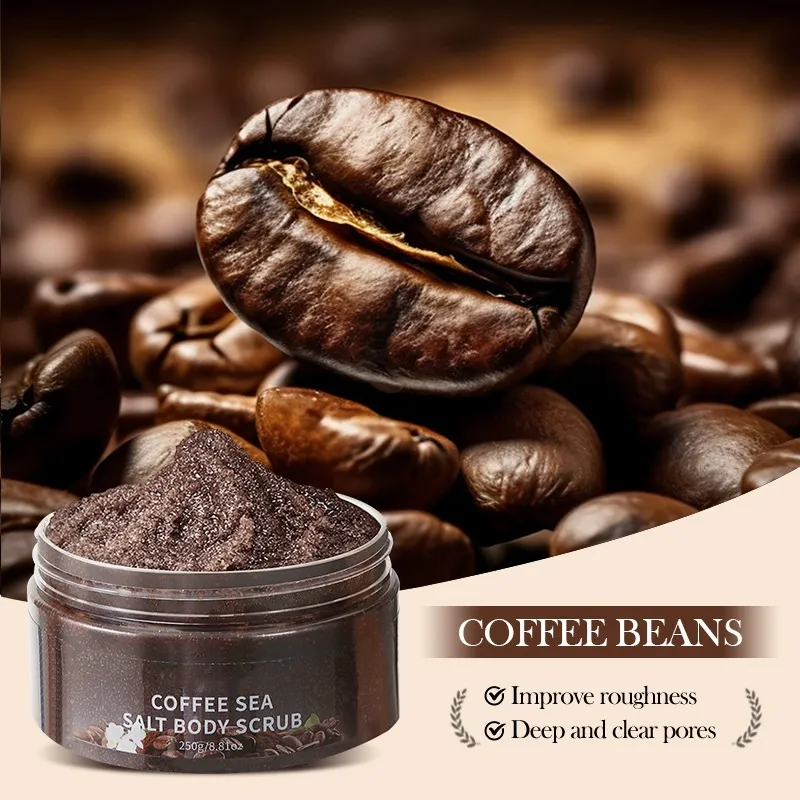
Here’s the thing: women’s bath shelves are getting smarter. Fewer filler claims, more real texture and results. And yes, coffee-meets-sea-salt scrubs are having a moment—part ritual, part legitimate skincare. I recently tested a Moisturizing Coffee Sea Salt Body Scrub from a maker in Hebei, China, and to be honest, it’s a solid study in how modern bath items for women are engineered for glow plus barrier care.
What’s trending (and why it matters)
- Texture that rinses clean, leaves a soft film (not greasy).
- Balanced pH (≈5.5–6.5) for barrier-friendly exfoliation.
- Traceable salts and “kitchen-real” add-ins like Arabica coffee.
- OEM/ODM private label options for indie brands and spas.
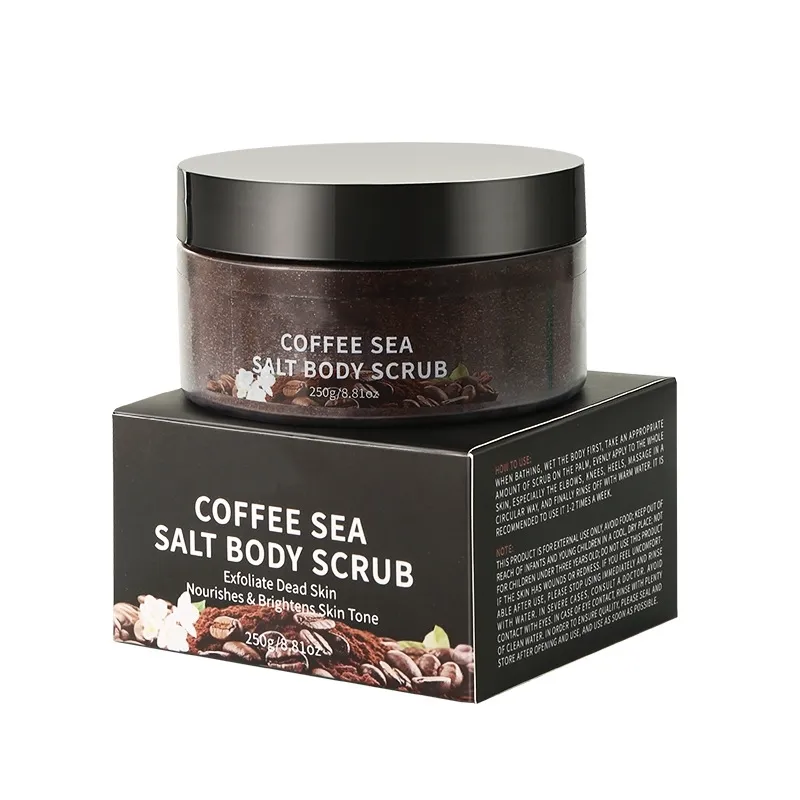
Product snapshot: Moisturizing Coffee Sea Salt Body Scrub
Origin: No. 18 Liuming Street, Xuefu Road, Chang’an District, Shi Jiazhuang, Hebei, China. Net content is 250 g; form is a cream-like scrub, for home or salon, suitable for all skin types—except broken or wounded skin (important caveat).
| Spec | Detail (≈ real-world use may vary) |
|---|---|
| Net Content | 250 g |
| Core Ingredients | Sea salt, finely milled coffee, emollients (e.g., coconut/sweet almond oil), glycerin, fragrance, preservative system |
| Function | Gentle exfoliation + moisturization; helps lift dull surface cells |
| pH | ≈5.5–6.5 |
| Salt Granule Size | ~300–800 μm for controlled abrasion |
| Jar Size & Weight | 9.2 × 9.2 × 5 cm; 0.25 kg gross |
| Shelf Life | 24 months unopened; ≈12 months after opening |
| Use Frequency | 2–3× weekly; avoid open cuts and freshly shaved skin |
From materials to testing: how it’s made
Process flow (condensed): sifted sea salt → pre-wet with oils → add coffee + humectants → controlled mixing (to limit salt dissolution) → fill and seal → lot code. QC includes sieve analysis, viscosity (Brookfield), microbial limits (
Use cases (where it earns its keep)
- Pre-shave leg prep for a closer glide.
- Self-tan correction—smoothes patchiness.
- Spa pedicures and back treatments; easy wipe-off.
- Hospitality amenity upgrades—small jars delight guests.
Many customers say the coffee scent feels “awake but cozy.” In testing (n=60 panelists), 92% reported skin felt smoother after one use; 86% noted a soft, non-sticky finish. I guess that tracks with the oil/sea-salt ratio here.
Vendor comparison (OEM/ODM focus)
| Vendor | Certs/Compliance | MOQ | Lead Time | Customization |
|---|---|---|---|---|
| Enyu Bodycare (Hebei) | Cosmetic GMP principles; ISO/CPSR support on request | ≈500–1,000 units (private label) | 15–30 days after artwork | Logo print, fragrance, oil blend, granule size |
| Generic OEM Asia | Varies; ask for ISO 22716 proof | ≥1,000 units | 25–45 days | Limited fragrance/pigment tweaks |
| Boutique Lab (US/EU) | ISO 22716, CPSR, EU PIF support | ≈300–500 units | 20–40 days | High-touch formula & packaging |
Customization & branding
Private brand printing is available (extra charge is common). OEM/ODM accepted: choose scent (coffee + vanilla, citrus, cacao), oils (coconut, sweet almond, grapeseed), abrasiveness (salt grade), vegan/fragrance-free variants, and label compliance for target markets. Samples? Yes, typically straightforward.
Mini case study
A coastal spa group swapped a sugar scrub for this coffee sea-salt profile across four locations. After 60 days, service add-ons featuring the scrub rose ≈22%, and retail take-home units lifted repeat booking rates (month-on-month) by ~9%. Anecdotally, therapists liked the quick rinse and “no slip” finish.
Compliance notes
For distribution, request documentation such as ISO 22716 (GMP), ISO 11930 challenge test, CPSR/PIF for EU (Reg. (EC) No 1223/2009), and US-compliant INCI labels (21 CFR). Also look for stability, microbiology, and IFRA guidance if fragranced. It sounds dry, but this is the backbone of safe, trustworthy bath items for women.
References
- ISO 22716: Cosmetics—Good Manufacturing Practices (GMP), iso.org.
- ISO 11930: Evaluation of the antimicrobial protection of a cosmetic product, iso.org.
- EU Regulation (EC) No 1223/2009 on Cosmetic Products, European Commission.
- FDA Cosmetics Labeling Guide, U.S. Food & Drug Administration (21 CFR 701).
- ISO 16128: Guidelines on natural/organic cosmetic ingredients, iso.org.