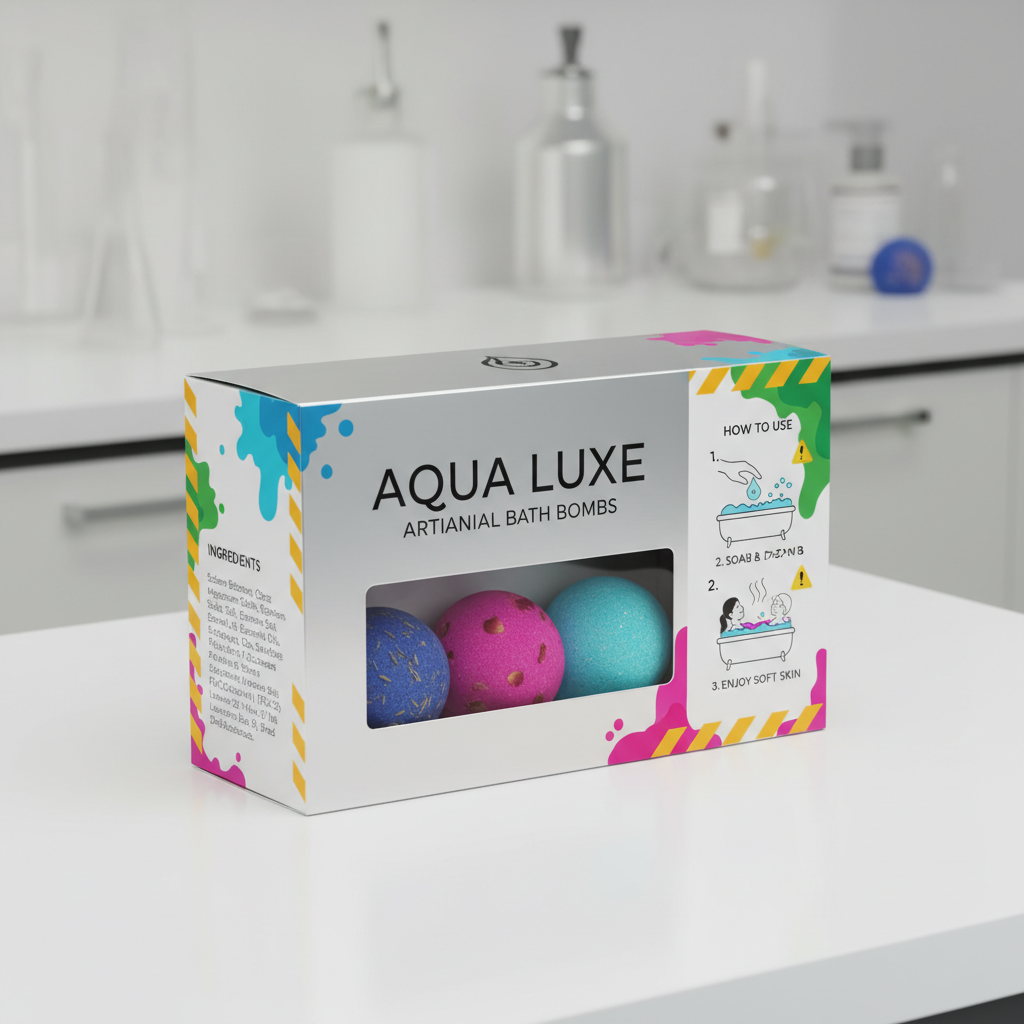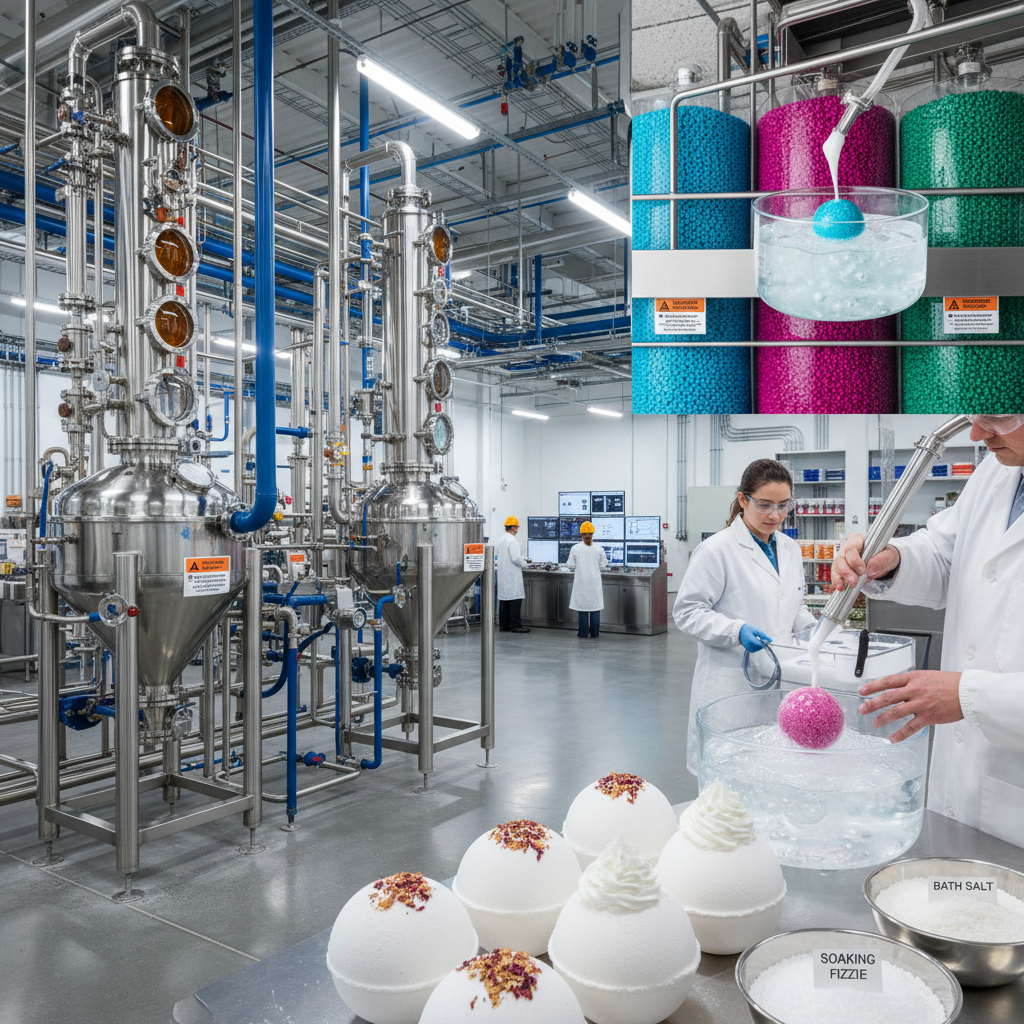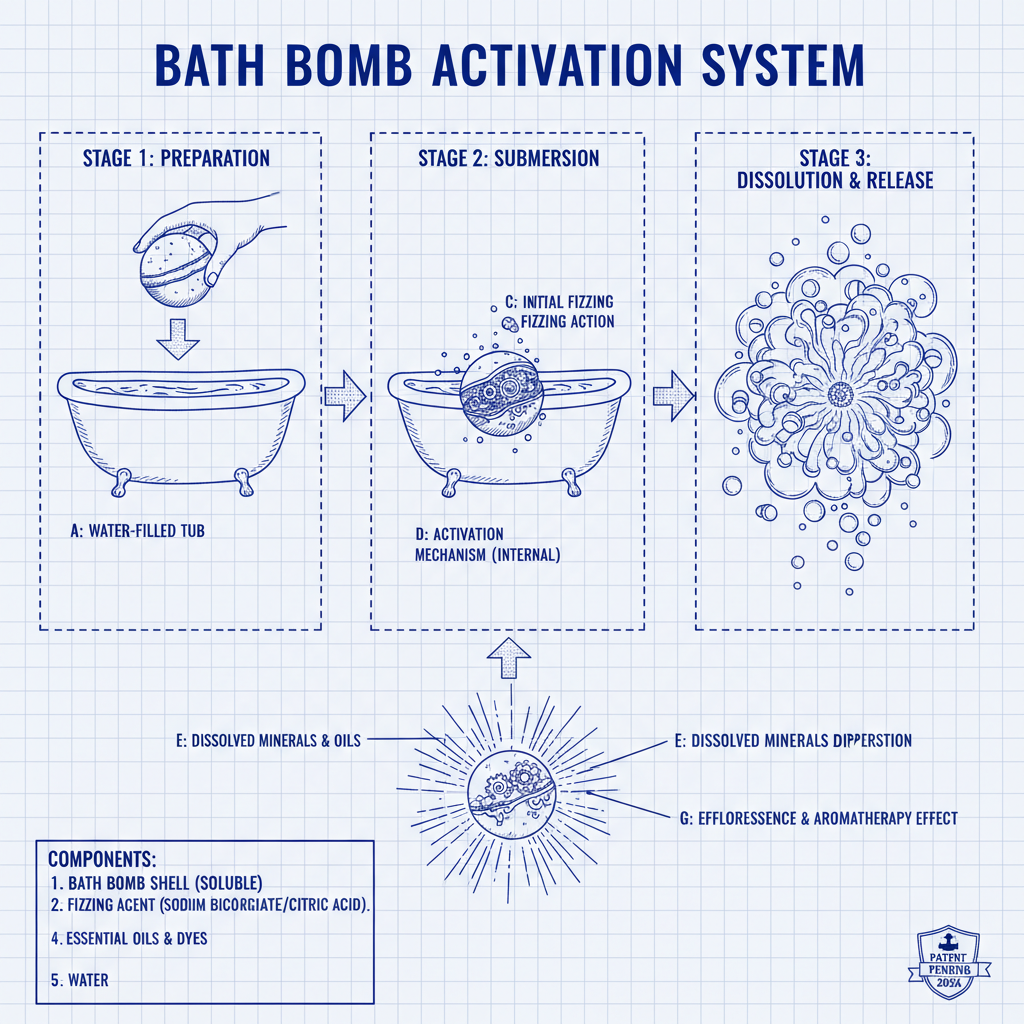


Milk Powder for Bath Bombs: Nourish Your Skin with Sustainable Luxury
Unwrapping the Charm: Why Milk Powder for Bath Bombs is Making Waves Globally
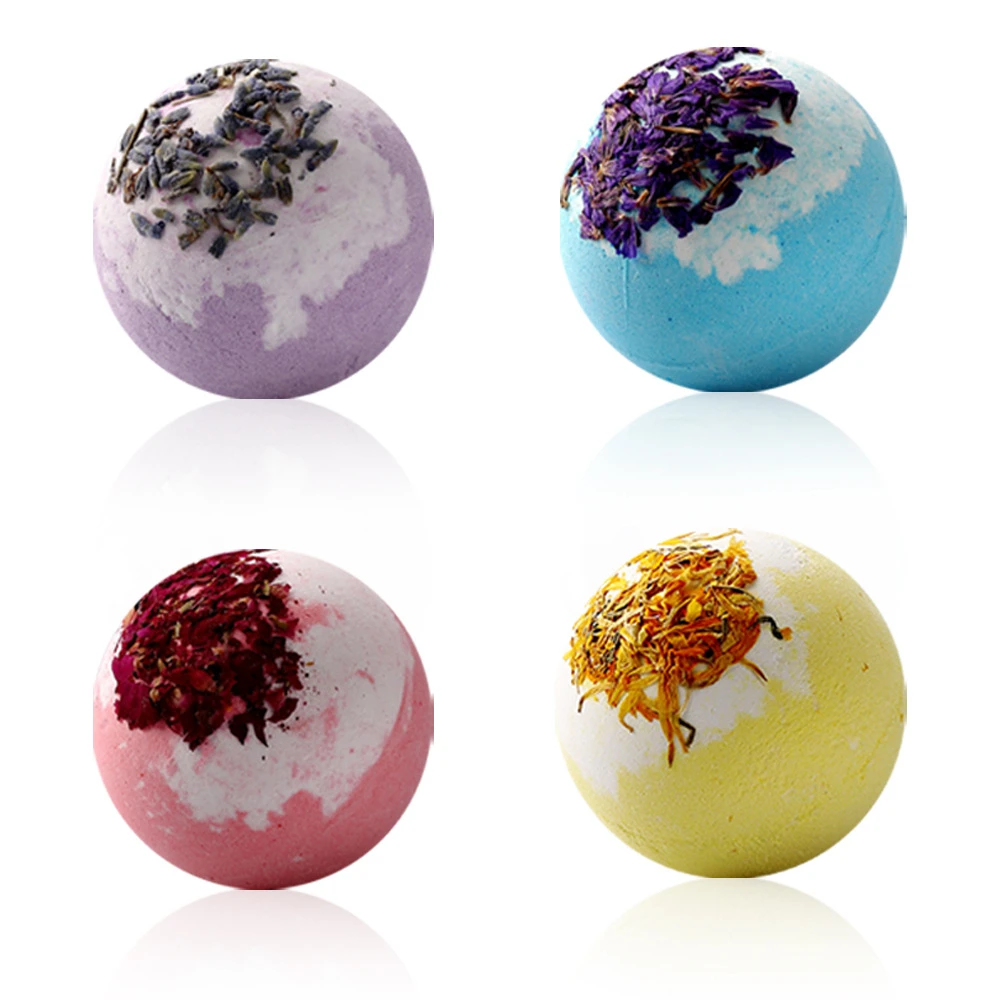
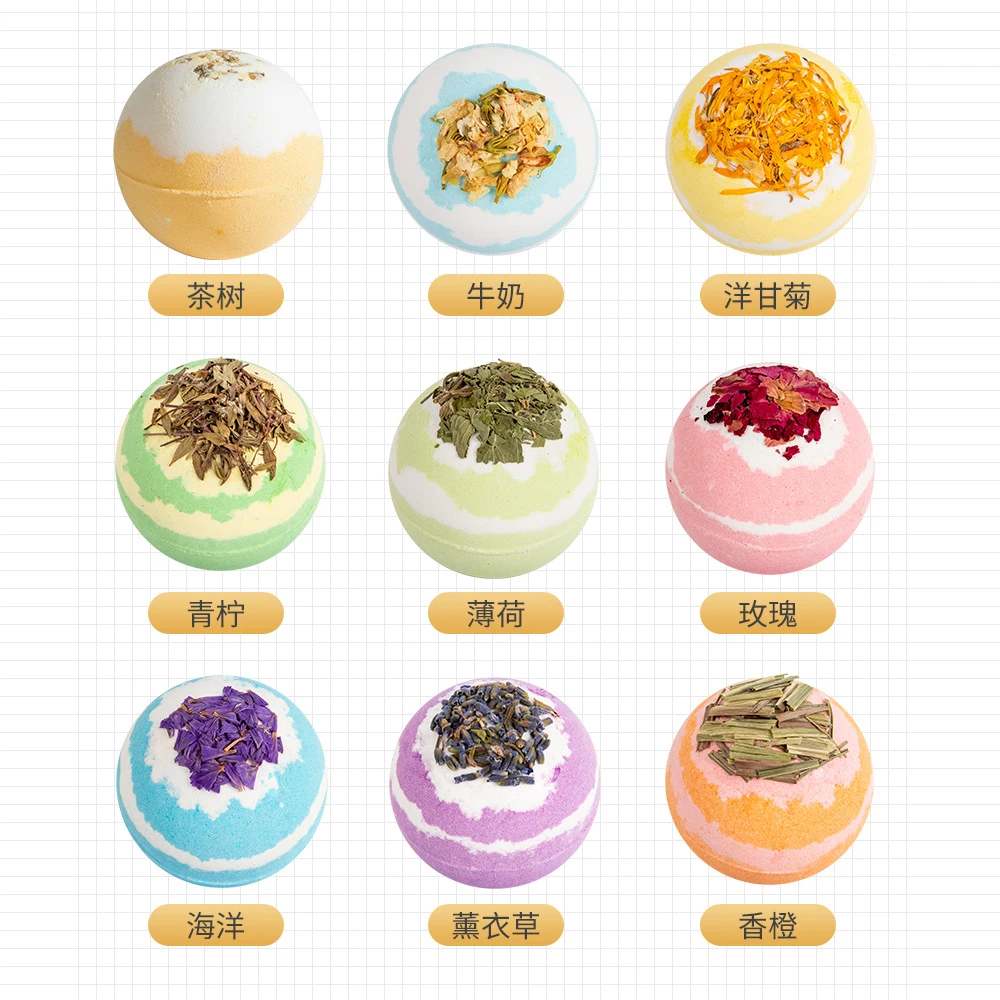
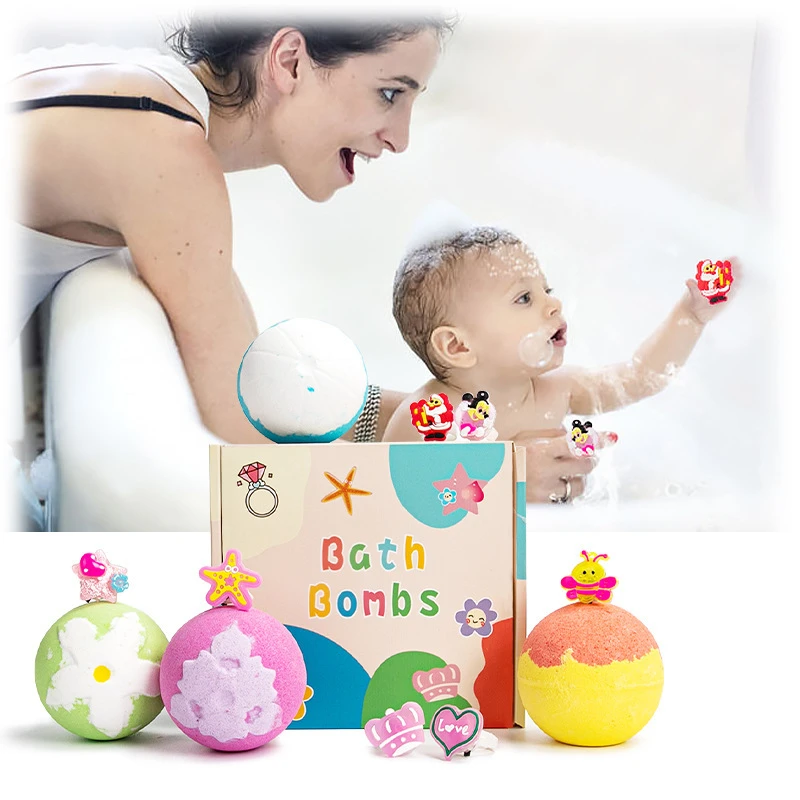
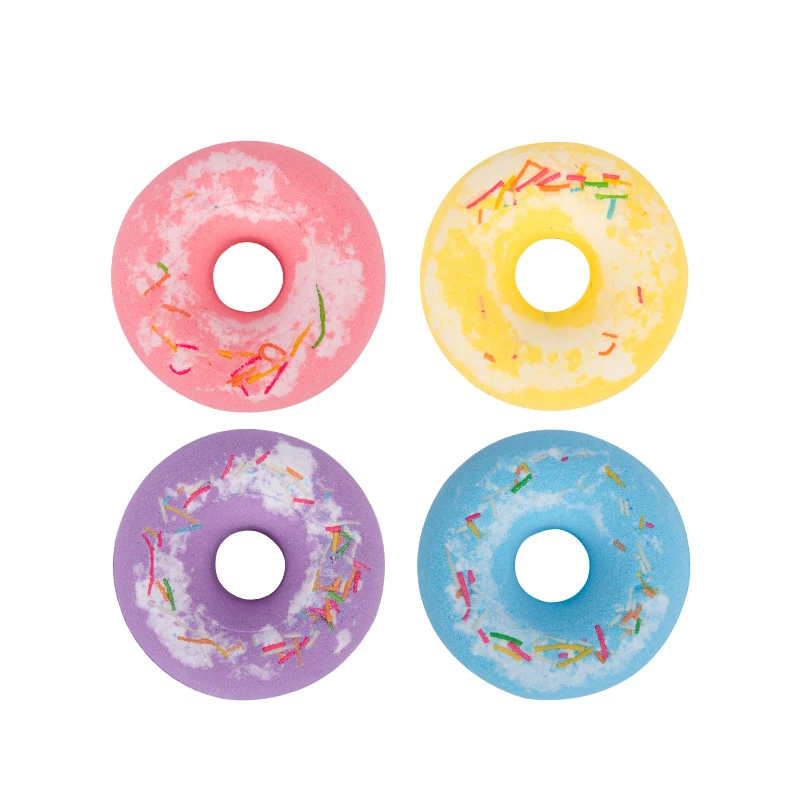
Milk powder for bath bombs might sound niche, yet it embodies a fascinating crossroads of cosmetic innovation, sustainability, and wellness — a triple win that's reverberating worldwide. Bath bombs themselves have become a defining self-care ritual for many, offering aromatherapy, soothing minerals, and that instantly gratifying fizz. Introducing milk powder into these humble spheres brings an added layer of skin nourishment and mild exfoliation. As people increasingly seek natural, luxurious bath experiences, knowing the benefits of milk powder for bath bombs isn’t just trivia — it shapes how industries tweak their formulas, how suppliers respond globally, and ultimately, how consumers find gentle care in everyday rituals.
Looking at the Bigger Picture: The Global Context of Milk Powder in Bath Bombs
According to recent reports by the UN and the ISO standards on cosmetics manufacturing, the global cosmetics industry has been growing steadily — a compound annual growth rate (CAGR) of about 5%. Bath bombs, though a relatively smaller segment, are gaining share in wellness trends across Europe, North America, and increasingly in Asia and Latin America. Why milk powder though? It addresses a unique need: moisture and creaminess without relying on synthetic additives — a natural alternative appealing to eco-conscious consumers. Yet suppliers face hurdles: consistent sourcing of quality milk powders free of contaminants; logistical challenges in preserving dry powder integrity; and compliance with cosmetics regulations that vary wildly by region.
These challenges matter, because a single disrupted supply chain ripple can derail production — which has happened more than once due to shifting dairy commodity prices and transport bottlenecks.
What Exactly is Milk Powder for Bath Bombs?
Simply put, milk powder is dehydrated milk — stripped of water to a fine, stable powder. When added to bath bombs, it dissolves gently, releasing nourishing proteins, vitamins (like A and D), and lactic acid, which acts as a mild exfoliant. Unlike liquid milk, powdered milk enhances shelf life and formulation consistency. In cosmetic manufacturing terms, it delivers a creamy texture and helps moisturize skin while bathing. This ingredient also ties closely to broader humanitarian and industrial efforts—think of powdered milk’s historical importance in food security and nutrition programs, now migrating into wellness goods.
So it’s both a modern industry component and a connection to longstanding human care traditions.
Key Components That Define Milk Powder’s Role in Bath Bombs
1. Moisturizing & Skin-Soothing Properties
Milk powder contains fats and proteins that gently condition the skin. It is often cited for its lactic acid content, which exfoliates dead skin harmlessly, leaving skin soft rather than stripped.
2. Stability & Shelf Life Enhancement
Unlike fresh milk, the powdered form remains stable in dry cosmetic formulas for months, resisting microbial growth when stored properly.
3. Compatibility with Natural Formulations
Many formulators champion milk powder because it blends well with botanicals, essential oils, and mineral salts without creating greasiness.
4. Sustainable Sourcing Potential
When procured responsibly, milk powder stems from surplus dairy production, reducing waste. Some companies source from fair-trade farms, integrating environmental and social ethics.
5. Cost Efficiency
Powdered milk is relatively affordable compared to exotic cosmetic ingredients, making bath bomb formulations both luxurious and accessible.
Where and How Are Milk Powder Bath Bombs Used Worldwide?
Globally, spas and wellness centers in Europe and North America have popularized milk-infused bath bombs for their skin benefits. Meanwhile, in Asia, particularly in Japan and South Korea, innovative blends of milk powders with green teas or rice bran target niche markets craving natural elegance. National brands in Australia and New Zealand promote domestically sourced milk powders, supporting local farmers.
On a humanitarian note, some NGOs experimenting with milk powder for bath bombs formulations incorporate them in mobile wellness kits for post-disaster relief zones, where restoring a sense of normalcy and dignity can be as critical as immediate survival. Remote mining outposts or extreme climates also install DIY bath bomb stations with milk powder to promote hygiene amidst limited water.
Product Specification Table: Milk Powder for Bath Bombs
| Specification | Details | Unit |
|---|---|---|
| Moisture Content | % | |
| Protein Content | 26 - 28 | g/100g |
| Fat Content | 26 - 30 | g/100g |
| pH Level | 6.5 - 7.2 | N/A |
| Particle Size | Fine powder, below 200 microns | μm |
| Shelf Life | 18-24 months (dry storage) | Months |
How Does the Market Compare? Vendor Overview for Milk Powder in Cosmetic Use
| Vendor | Origin | Quality Certifications | Fair Trade/Sustainability | Typical Price/kg |
|---|---|---|---|---|
| DairyPure Cosme | New Zealand | ISO 9001, COSMOS Organic | Yes, organic & fair trade | $8.50 |
| CreamEssence | France | ISO 22716, GMP | Focus on sustainability | $9.20 |
| VitalMilk Labs | USA | FDA Registered, HACCP | Ongoing sustainability efforts | $7.80 |
What Makes Milk Powder Bath Bombs Stand Out? Advantages & Long-Term Value
- Skin-friendly nourishment: The proteins and vitamins hydrate and soften without irritation.
- Sustainability boost: Powdered milk often comes from dairies optimizing surplus, reducing food waste.
- Product stability: Enables bath bombs to retain quality over time, crucial for retailers.
- Consumer trust: Milk powder’s familiarity and nourishing reputation boost brand credibility.
- Emotional comfort: Bathing with milk powder adds a soothing ritual, a moment of daily luxury.
Emerging Trends: Where is Milk Powder for Bath Bombs Headed?
Innovations hover on several fronts. There's growing interest in plant-based milk powders (like oat or almond powder) entering bath bomb recipes — offering vegan alternatives while mimicking milk’s functional benefits. Automation robots in cosmetic labs are now precisely measuring milk powder inclusion rates, boosting quality uniformity. Some brands trial carbon-neutral dairy sourcing, pairing their powders with green energy for enhanced sustainability credentials. On the policy front, regulators tighten purity rules, compelling suppliers to improve traceability. Oddly enough, digital apps now help DIY bath bomb makers calculate milk powder ratios, blending technology with tradition.
Tackling the Hard Knocks: Challenges and Practical Solutions
Milk powder’s main hurdles include susceptibility to humidity causing clumping, occasional allergen labeling complexities, and price fluctuations due to dairy market instability. However, many formulators mitigate moisture risks with moisture-absorbing packaging and bespoke powder milling techniques to enhance flow. Allergy considerations spur clearer consumer communication, while long-term supply contracts and diversified sourcing ease cost impacts.
Frequently Asked Questions About Milk Powder for Bath Bombs
- Q: Is milk powder safe for sensitive skin in bath bombs?
- Generally, yes. Milk powder contains lactic acid, which exfoliates gently and moisturizes. However, anyone allergic to dairy should avoid it. Formulators often balance concentration to minimize irritation.
- Q: How much milk powder should I use in making bath bombs?
- Most recipes call for about 10-15% of milk powder relative to the total dry ingredients. Going beyond this can affect fizz and texture. Trial batches help dial in the perfect ratio.
- Q: Can vegan alternatives replace milk powder in bath bombs?
- Yes, plant-based powders like coconut or oat can mimic creaminess and nutrients. They attract vegan consumers and gap-fill market demand for cruelty-free options.
- Q: How should milk powder for bath bombs be stored?
- Keep it in cool, dry, airtight containers to prevent moisture and clumping. Avoid direct sunlight and humidity for best shelf life.
- Q: Where can I source cosmetic-grade milk powder?
- Trusted suppliers usually comply with ISO 22716 and other GMP standards. Refer to vendor comparisons like those above and request samples before large orders.
Wrapping it Up: Why Milk Powder Will Keep Fizzing in Bath Bombs
Milk powder for bath bombs merges tradition and trend, science and softness, environmental awareness and aromatic indulgence. Its multi-dimensional benefits — from enhancing skin care to supporting sustainable supply chains — promise continued relevance in global beauty markets. Whether you’re a formulator, retailer, or savvy consumer, understanding this ingredient deepens appreciation for the little fizzing luxury in your tub. Curious to dive deeper? Visit our website at https://www.enyubodycare.com for insights, sourcing tips, and exclusive formulations.
1. Wikipedia: Milk Powder
2. ISO 22716: Cosmetics GMP
3. United Nations Observance of World Water Day