

Making Bath Bombs: Industrial Insights & DIY Tips
Making Bath Bombs: From Industry Insight to At-Home Artistry
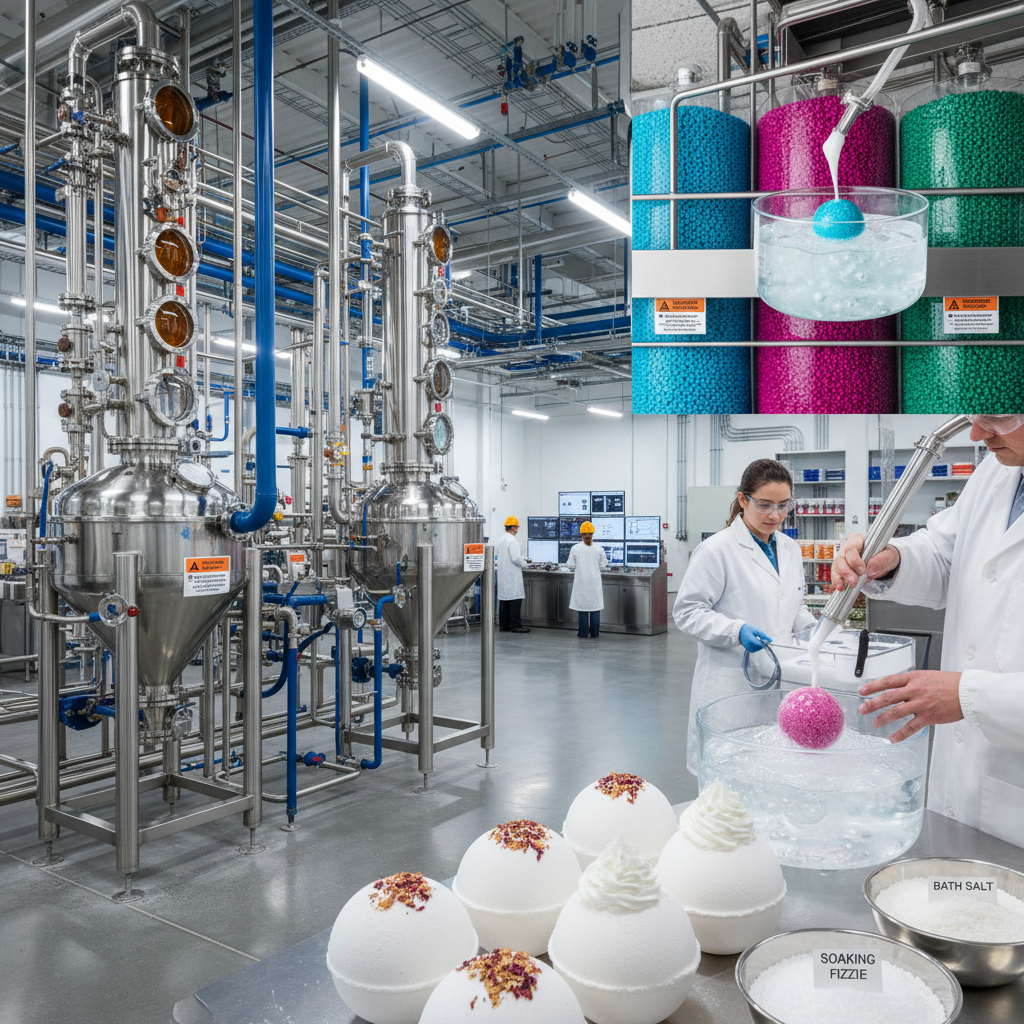
Having spent over a decade around industrial equipment — mostly big, noisy machines for manufacturing — stepping into something as delightfully delicate as bath bombs was a curious shift. Yet, oddly enough, the underlying theme is the same: precision meets creativity, and delivery of quality wins every time.
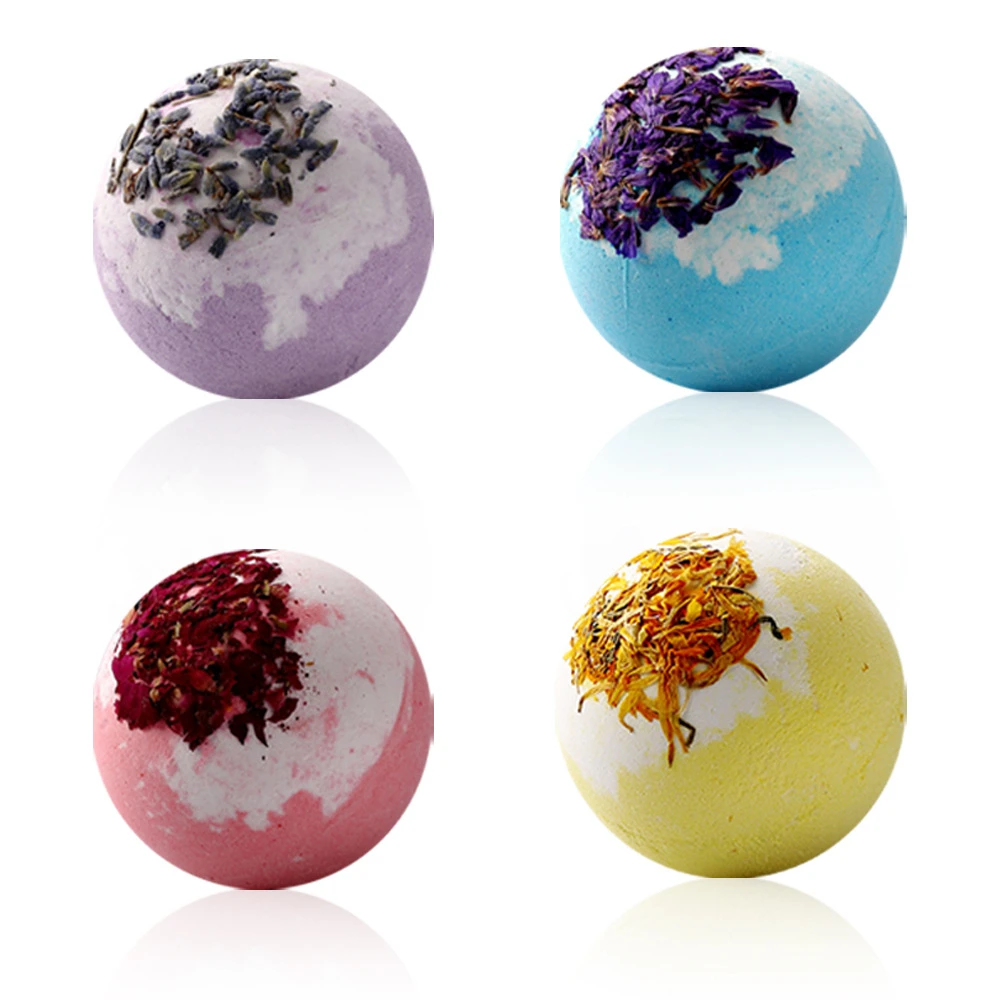
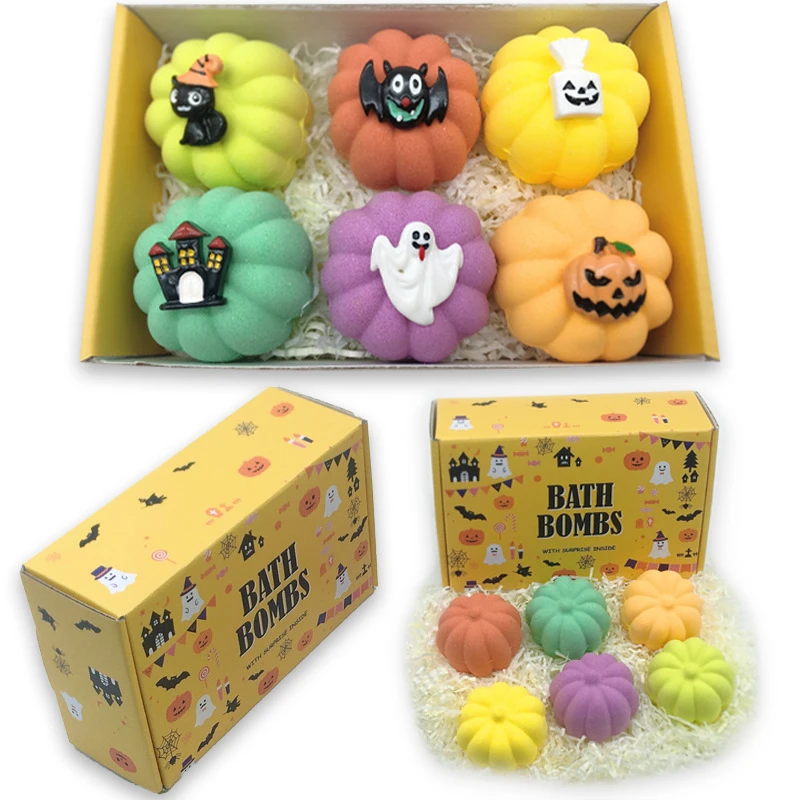
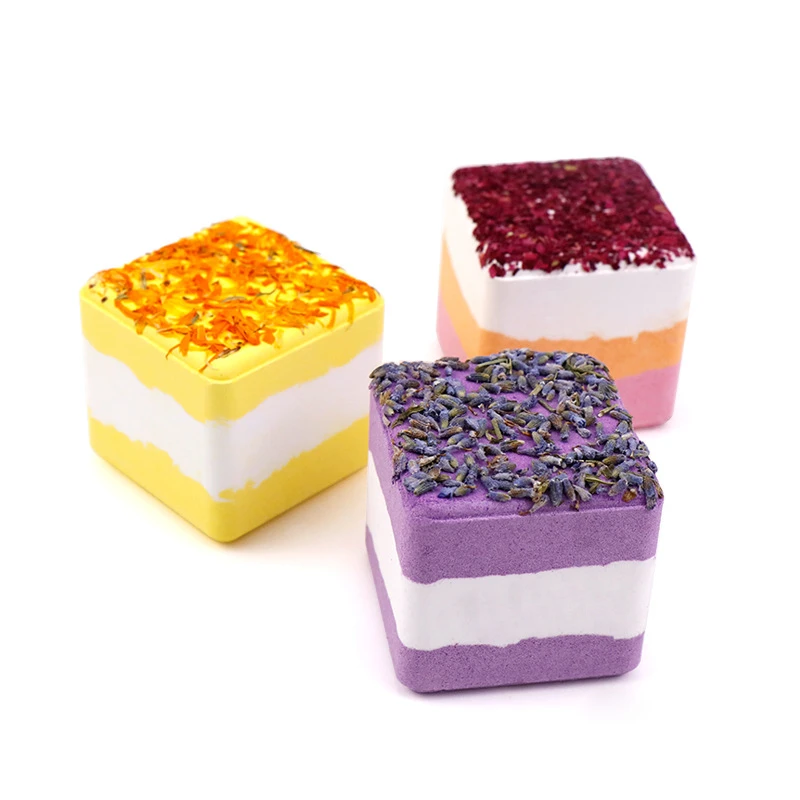
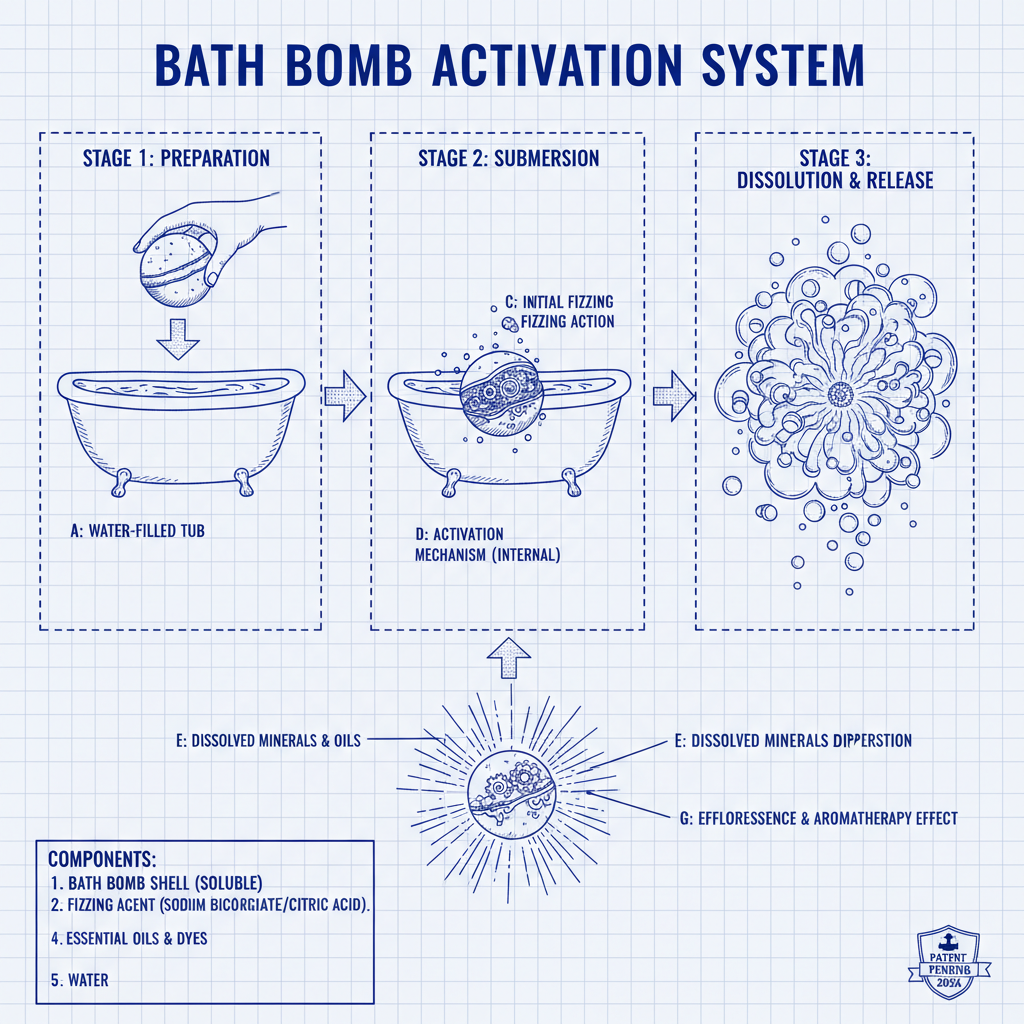
Bath bombs, essentially fizzing spheres releasing fragrances and colors into your bathwater, rely heavily on materials science, process control, and a bit of alchemy if you want to get poetic about it. The industry has moved beyond basic molds and mixes — now we play with natural ingredients, sustainable packaging, and even personalized blends. I suppose it’s this evolution that keeps the craft both artisanal and industrial in the same breath.
Understanding Bath Bomb Composition & Design
At the heart of every bath bomb is a balanced recipe. Typically, this includes:
- Sodium bicarbonate (baking soda)
- Citric acid
- Oils and butters (coconut oil, shea butter)
- Colorants and fragrances
- Binders to hold shape
In industrial production — and even the DIY setups I’ve played with — maintaining the right moisture level is crucial. Too dry, and the mixture won’t compact; too wet, and you risk premature fizzing or crumbling. I remember one early batch that literally exploded in the mold because moisture wasn’t evenly distributed. It was a messy lesson!
Product Specification Snapshot
| Specification | Details |
|---|---|
| Diameter | 5.5 cm (Standard) |
| Weight | 150g ±5g |
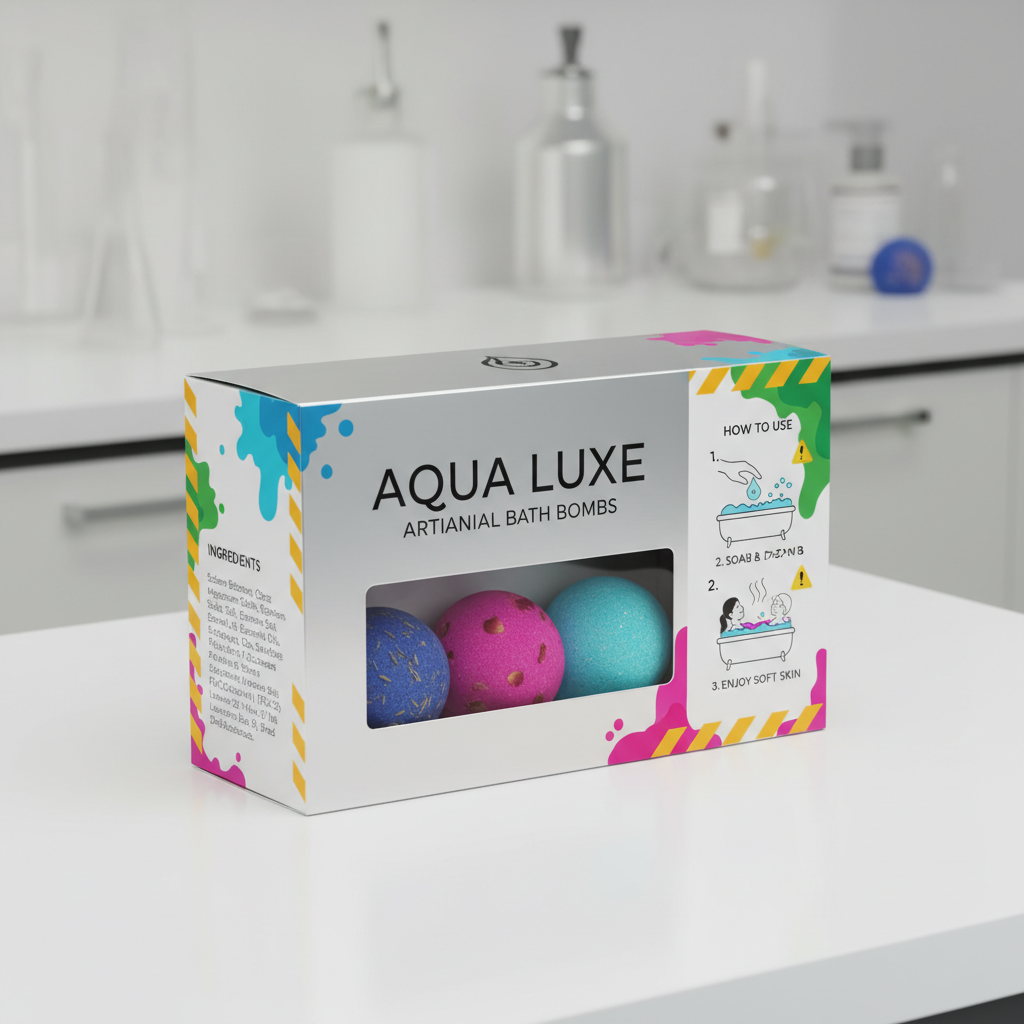
| Ingredients | Baking soda, citric acid, coconut oil, essential oils, mica powder |
| Dissolution Time | 3 to 5 minutes in warm water |
| Shelf Life | 12 months (stored dry) |
One thing I’ve learned: consistency in specs ensures end-users get that perfect spa-like fizz every single time. Manufacturers who cut corners on ingredient quality invariably see a spike in customer complaints. Frankly, I admire small brands that insist on sourcing premium essential oils even if it means a steeper price point.
Comparing Equipment Vendors for Bath Bomb Production
For those serious about scaling production, the choice of equipment matters. Here’s a small side-by-side comparison of three commonly used suppliers, based on machine size, output, and cost:
| Vendor | Machine Model | Output Capacity (units/hr) | Price Range (USD) | Notes |
|---|---|---|---|---|
| FizzTech | FT-300 | 300 | $45,000 - $50,000 | Compact, easy to maintain |
| BathPro | BP-X45 | 450 | $60,000 - $65,000 | Highly customizable molds |
| EcoBomb | EB-200 | 200 | $40,000 - $45,000 | Focus on eco-friendly materials |
Customer feedback often highlights the simplicity of FizzTech machines for startups, while BathPro’s modular design wins favor for more complex shapes. EcoBomb is a newer player, but their green focus is gaining traction. I can’t help but root for EcoBomb given the wider industry's shift toward sustainability — you know, it feels more responsible.
Customization and Trends
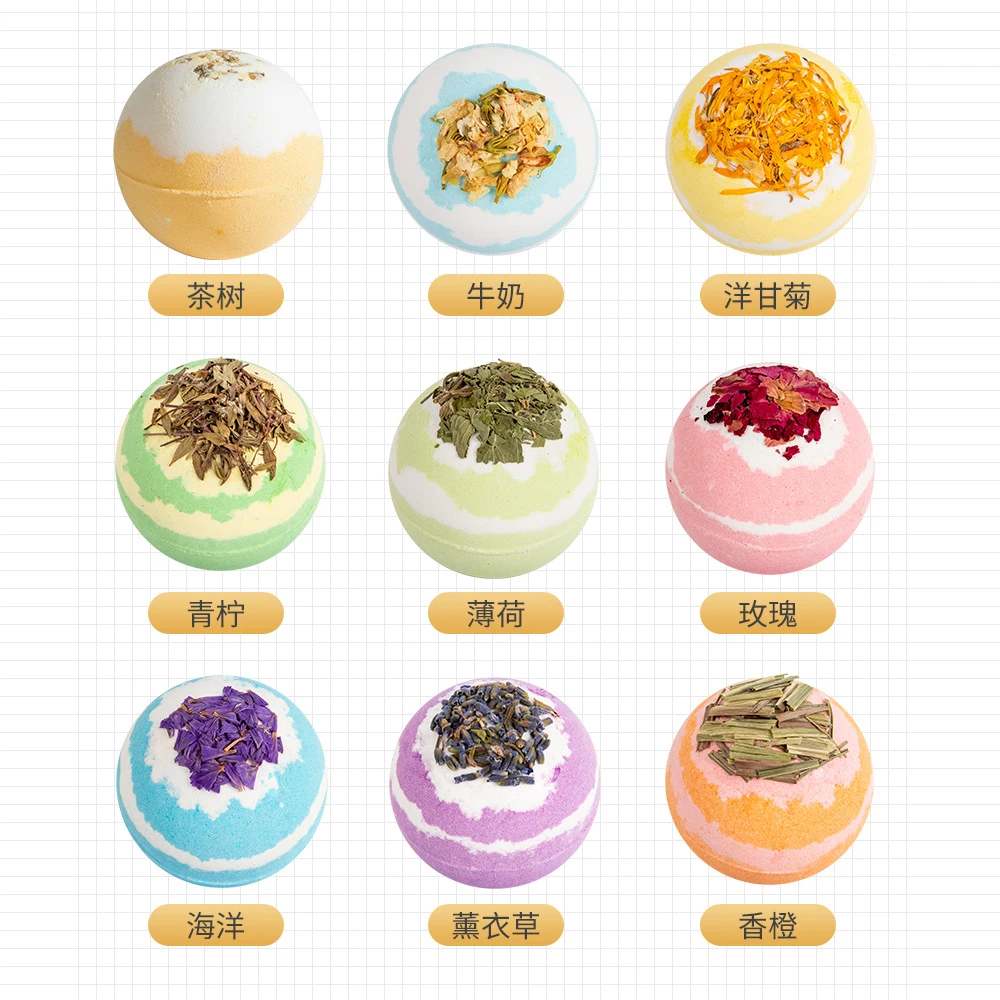
Another interesting trend: personalization. Custom scents, colors, and even ingredients tailored to skin types. I chatted with a small business owner I met at a trade show — she created a lavender-calm series targeting insomniacs. It wasn’t just a marketing ploy — customer reviews said it really helped people unwind. That kind of real-world impact sticks with me.
Given the increase in eco-conscious consumers, biodegradable packaging and natural ingredients are no longer optional. Also, fragrance oils have to be skin-safe and hypoallergenic. The product development phase often involves rigorous testing — sometimes a headache for engineers used to mechanical tolerances. Skin chemistry is just less forgiving than steel!
In real terms, making bath bombs blends chemistry, artistry, and a touch of empathy for the user’s end experience. There’s an undeniable joy in seeing these small spheres effervesce in water, carrying scents and colors into the air — it’s almost like magic crafted through careful engineering.
So, if you’re considering diving into bath bomb creation, whether as a passionate hobbyist or an aspiring manufacturer, keep your focus sharp on quality ingredients, precise formulation, and user experience. There’s a surprising amount of industry tech hidden behind what looks like just a fizzy ball of fun.
Feel free to explore bath bombs further — I promise, the blend of science and self-care is worth it.
– Written by someone who’s mixed chemicals and ideas in industrial settings for years and now thinks bath bombs might just be the best surprise of all.
References:
- "Handbook of Cosmetic Science and Technology," Andre O. Barel, Marc Paye, Howard I. Maibach, 2014.
- Interview with a boutique bath bomb business owner, CleanLiving Expo 2023.
- Industry reports on cosmetic production equipment, Mintel Group, 2023.