

Looking for Non-Toxic Natural Pet Cleaning Products?
Natural Pet Care That Actually Works: Field Notes, Specs, and a Look at a Citrus-Forward Cat Deterrent
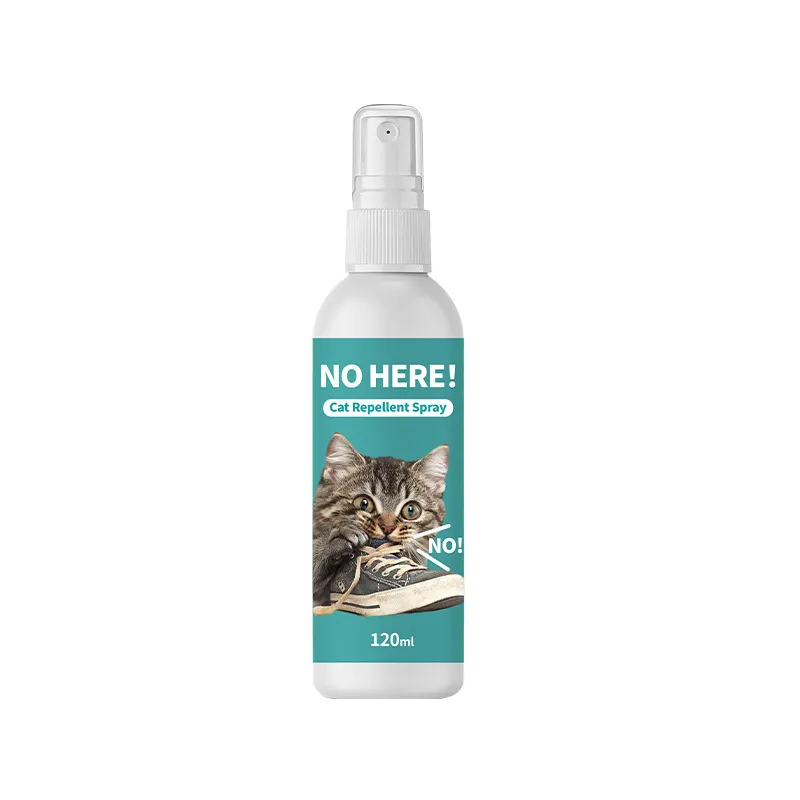
If you’ve been hunting for natural pet cleaning products that don’t read like a chemistry exam, you’re not alone. The trend line is clear: pet parents want formulas that are plant-based, cruelty-free, and still tough on odors, stains—or in this case, bad scratching habits. Enter ENYU’s Anti Scratch Furniture Protector Establish Boundaries, a mouthful of a name for a simple idea: use essential oils and natural bitterness to nudge cats away from sofas and other “claw magnets.”
What’s inside, and why it matters
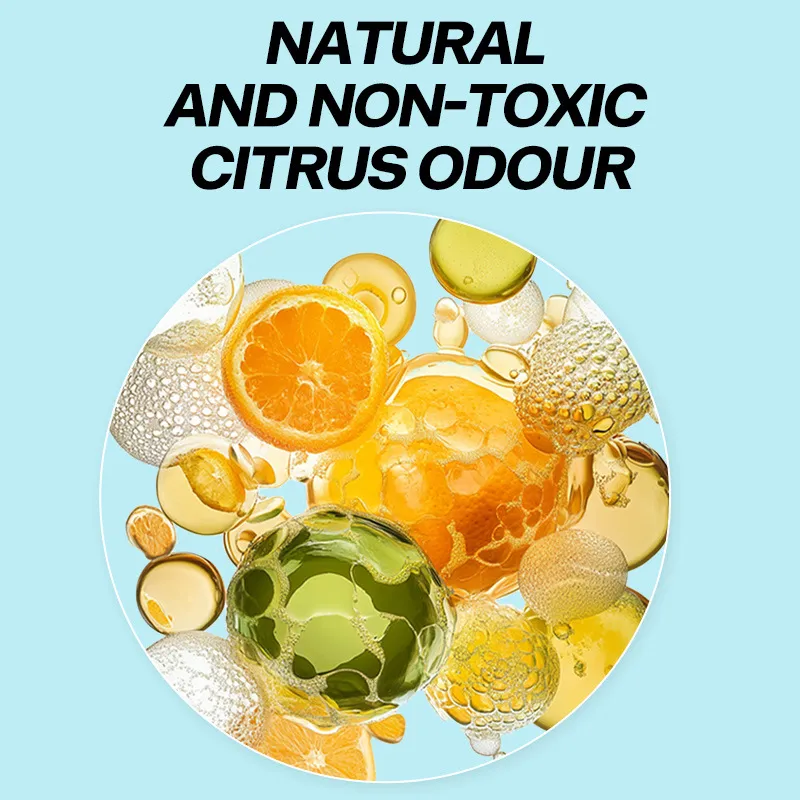
The formula leans on water, Bitter Orange essential oil, Petitgrain oil, Rosemary oil, and Thyme extract. That combo provides a bright, slightly bitter citrus-herb profile that cats typically avoid. It’s not magic—it’s behavior shaping. Spray the “no-go” zones and, over a few days, reinforce with scratching posts. In real homes, consistency wins.
Quick specifications
| Product | Anti Scratch Furniture Protector Establish Boundaries |
| Function | Cat deterrent spray (scratch & spray discourager) |
| Key ingredients | Water, Bitter Orange EO, Petitgrain Oil, Rosemary Oil, Thyme Extract |
| Scent profile | Citrus-herb, mild bitterness (cat-averse; human-safe when used as directed) |
| pH (target) | ≈6.0–7.0 (real-world use may vary) |
| Use areas | Sofas, rugs, door frames, curtains; spot-test first |
| Shelf life | ≈24 months sealed; ≈12 months after opening |
| Origin | No. 18 Liuming Street, Xuefu Road, Chang’an District, Shi Jiazhuang, Hebei, China |
How it’s made (process flow in plain English)
- Materials: food-grade water; essential oils/extracts screened against restricted substances (REACH considerations); IFRA-referenced fragrance safety.
- Methods: low-shear blending, micro-filtration where applicable, and clean-room filling to limit bioload.
- Testing standards (typical for this category): microbiological limits per ISO 17516 (cosmetic microbiology); preservative efficacy challenge per ISO 11930 (if preserved); fragrance allergens aligned with IFRA guidance; biodegradability assessed using OECD 301 methods (formulation-dependent).
- Service life & stability: room-temp stability, light exposure checks, packaging compatibility (sprayer valve, PET/HDPE bottles).
- Industries served: pet retail, shelters, property management (pet floors), housekeeping vendors, e‑commerce private-label.
Application scenarios and tips
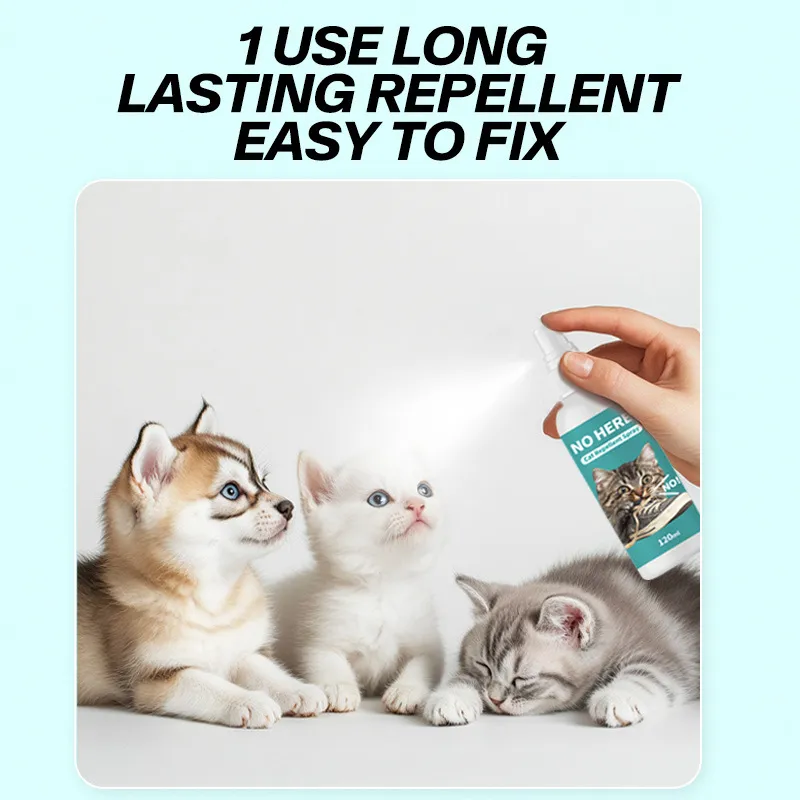
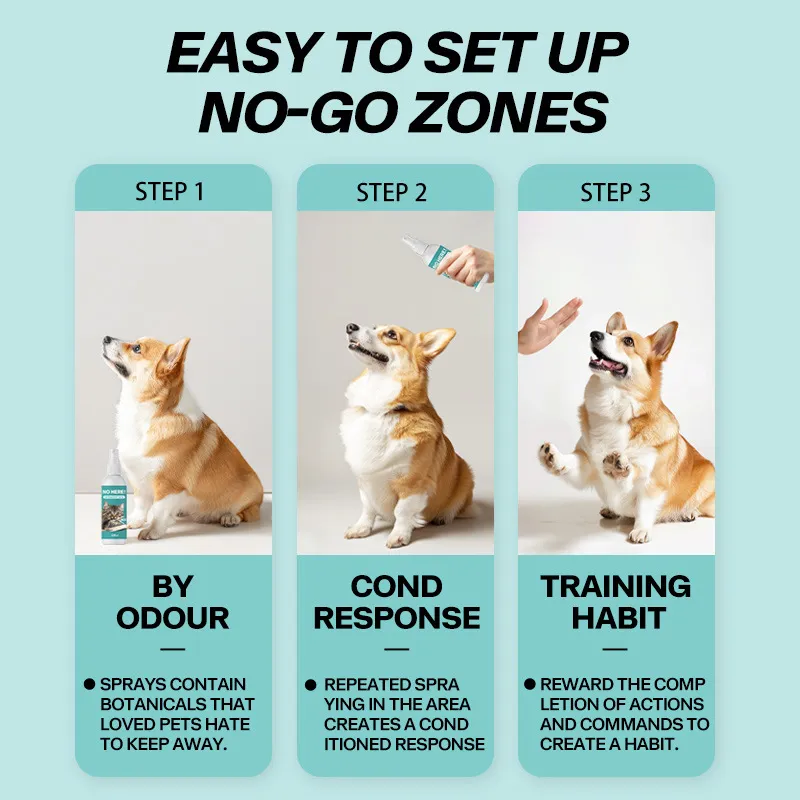
Use on high-risk zones—armrests, hallway corners, under windows. Reapply daily at first; then taper to maintenance. Pair with a sisal post and praise. Many customers say the combo approach is what finally sticks. Also, spot-test on delicate textiles. This is still a plant-oil blend.
Vendor snapshot: how ENYU stacks up
| Factor | ENYU Anti Scratch | Marketplace Brand A | Private Label B |
|---|---|---|---|
| Ingredient profile | All-natural EO + extracts | Mixed (some synthetics) | Varies by spec |
| Docs (MSDS/COA) | Available on request | Sometimes limited | Available with MOQ |
| Regulatory posture | IFRA-aware; REACH-considerate | Unclear | Customizable |
| Lead time | ≈2–4 weeks (order size dependent) | ≈1–3 weeks | ≈4–6 weeks |
| Price per 100 ml | ≈mid-range | ≈low to mid | ≈varies (spec-driven) |
| Customization | Label, bottle, scent options | Limited | Broad (MOQ applies) |
Customization ideas
- Scent variants: herb-forward (rosemary/thyme) vs. citrus-forward (bitter orange/petitgrain).
- Packaging: trigger vs. fine mist; PET or HDPE; recycled content where available.
- Label: multilingual compliance panels; QR to MSDS; retail planograms for pet aisles.
Real-world feedback (what people actually say)
Retail buyers report fewer returns when staff coach customers on routine: spray daily for the first week, provide an appealing scratch post, and reward. Some notice that cats acclimate if application lapses—so keep it consistent. It seems that pairing this with a cleaner for existing scent marks amplifies results—classic one-two punch in natural pet cleaning products.
Safety and compliance notes
- Follow label directions; keep away from pet eyes/mouth; do not spray on pets.
- Check IFRA and local rules for fragrance allergens; some regions require disclosure.
- For U.S. markets, plant-based repellents may fall under EPA 25(b) minimum risk—confirm status and allowed claims per state.
- Ask vendors for MSDS, COA, and if applicable, ISO 11930 challenge data and OECD 301 biodegradability info.
Bottom line: if you want furniture-friendly deterrence grounded in natural pet cleaning products philosophy, this citrus-herb blend is a pragmatic, humane nudge—not a harsh chemical wall. To be honest, that’s what most homes need.
References
- IFRA Standards and Guidance: https://ifrafragrance.org/
- ISO 11930: Cosmetics — Microbiology — Evaluation of the antimicrobial protection of a cosmetic product: https://www.iso.org/standard/77604.html
- OECD 301: Ready Biodegradability Methods: https://www.oecd-ilibrary.org/environment/test-no-301-ready-biodegradability_9789264070349-en
- US EPA 25(b) Minimum Risk Pesticides: https://www.epa.gov/minimum-risk-pesticides
- EU REACH Regulation overview: https://echa.europa.eu/regulations/reach/understanding-reach