

Inside a Bath Bomb Factory: Equipment, Production & Industry Insights
Inside the bath bomb factory experience
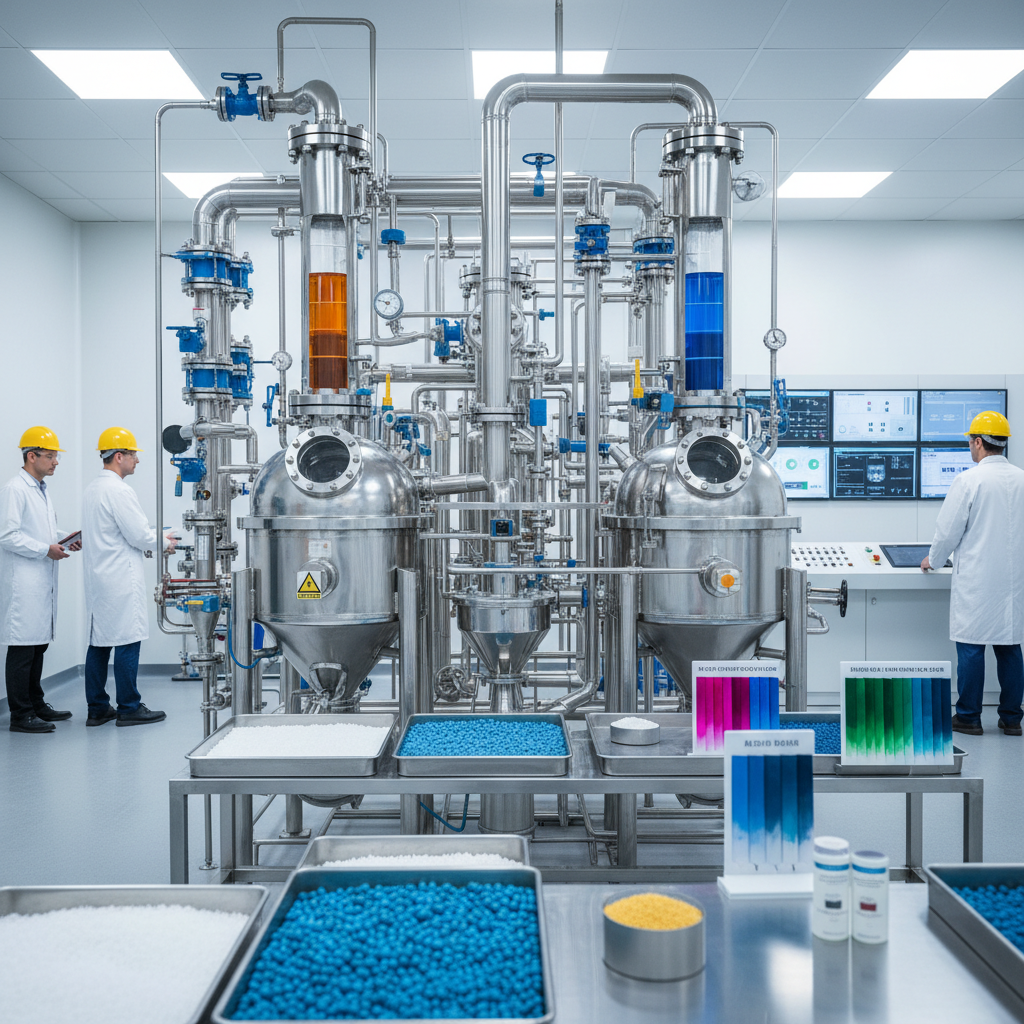
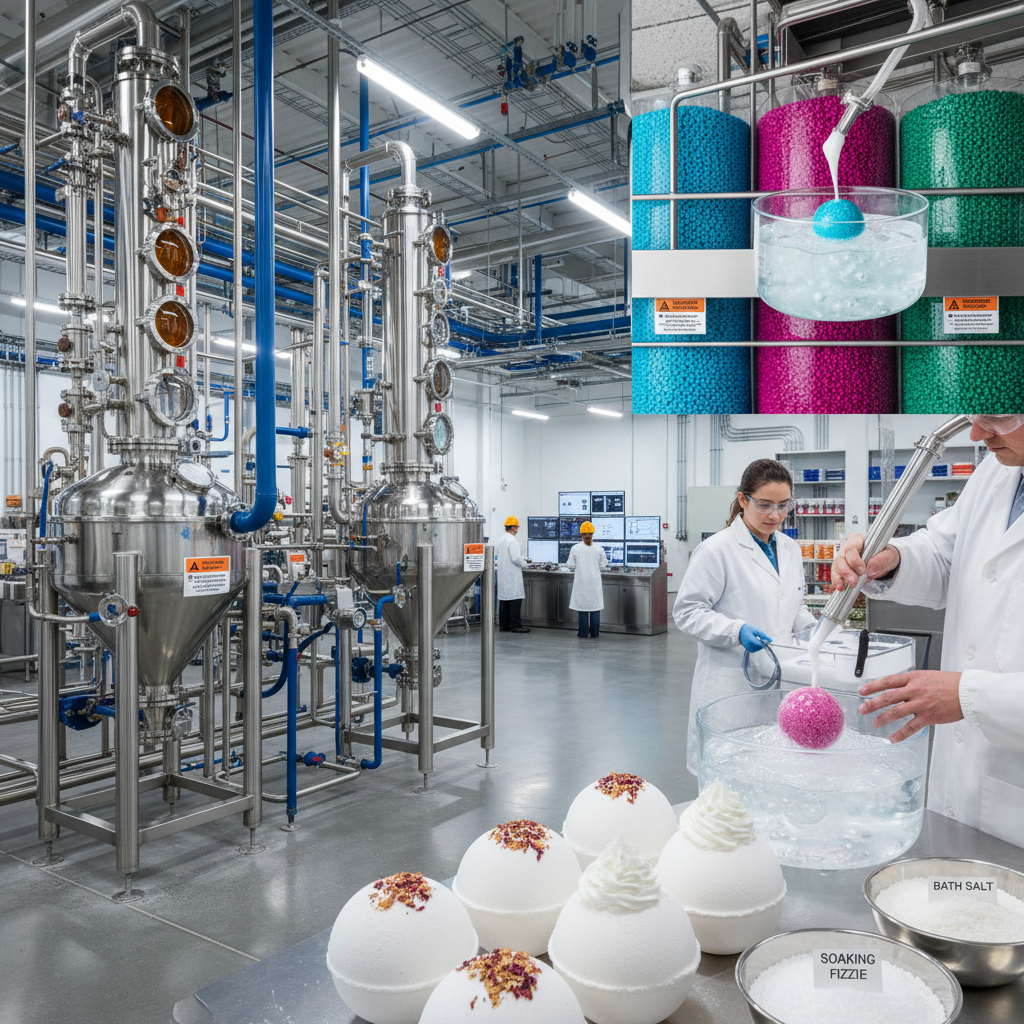
Having spent over a decade navigating the industrial equipment sector, I rarely come across a production line as oddly satisfying and colorful as a bath bomb factory. It’s one of those spaces where chemistry meets craftsmanship, punctuated by sweet scents and vibrant hues – not your usual clank-and-grind factory atmosphere.
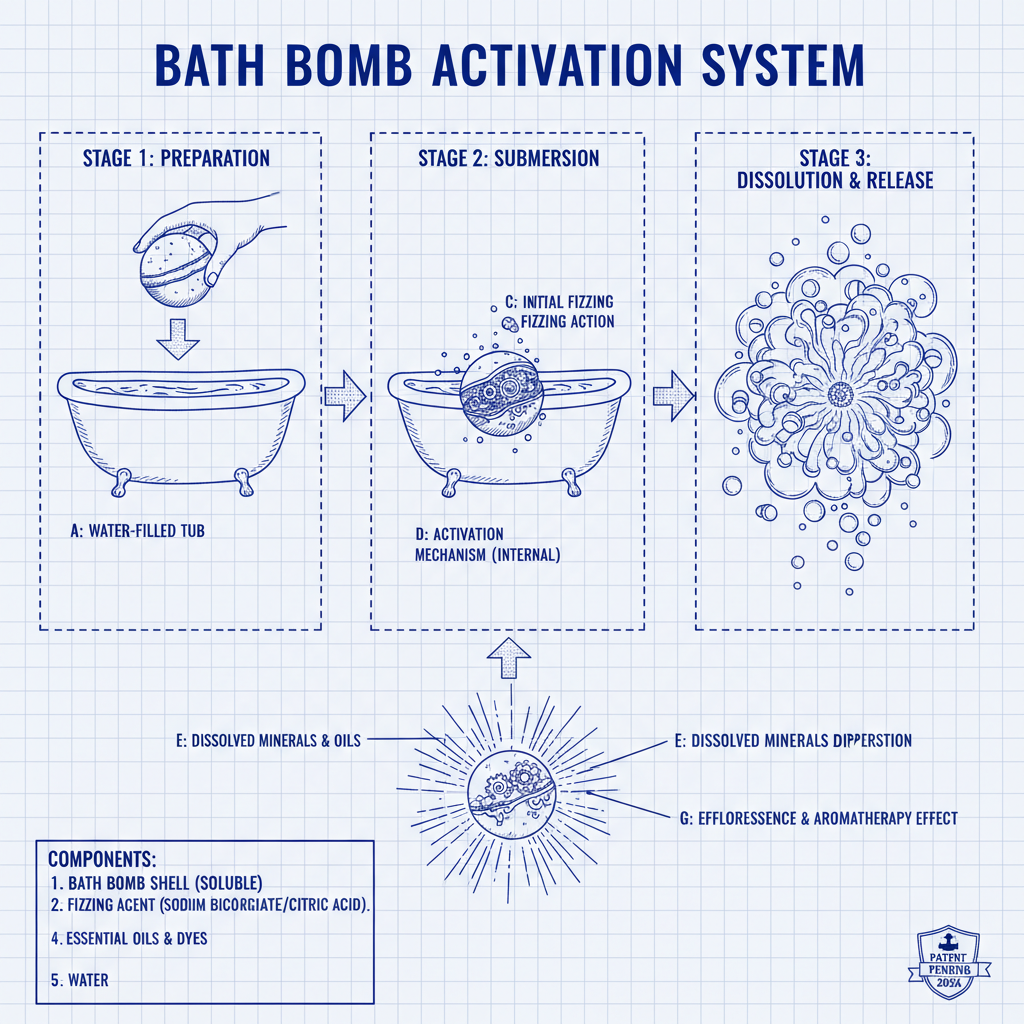
Now, you might wonder, what really sets bath bomb manufacturing apart from other small-scale industrial setups? Well, frankly, it's the precision paired with creativity. The materials blend requires both consistency and flexibility: careful measurement of ingredients like citric acid, baking soda, fragrances, and natural colorants. Too much moisture, and the mixture crumbles; too dry, and it won’t fizz properly when dropped in water. I noticed that many engineers stress the importance of maintaining exact humidity and temperature levels throughout processing. It’s part science, part art.
One thing about these factories is their emphasis on product testing. Samples get tested repeatedly not only for fizz time but for skin safety. It feels like a well-run lab rather than a chaotic manufacturing floor. My experience in quality assurance comes in handy here—seeing these product batches undergo stability tests, fragrance longevity trials, and coloration consistency assessments reassures me that the finished bath bombs won’t disappoint customers.
Typical Bath Bomb Production Specs
| Specification | Typical Value | Notes |
|---|---|---|
| Batch Volume | 50–100 kg | Per production cycle |
| Machine Cycle Time | 15–30 sec per bomb | Depends on mold complexity |
| Humidity Range | 40–50% | Critical for mixture stability |
| Fizz Duration | 2–4 minutes | Customer preference tested |
| Shelf Life | 6–12 months | Depends on packaging |
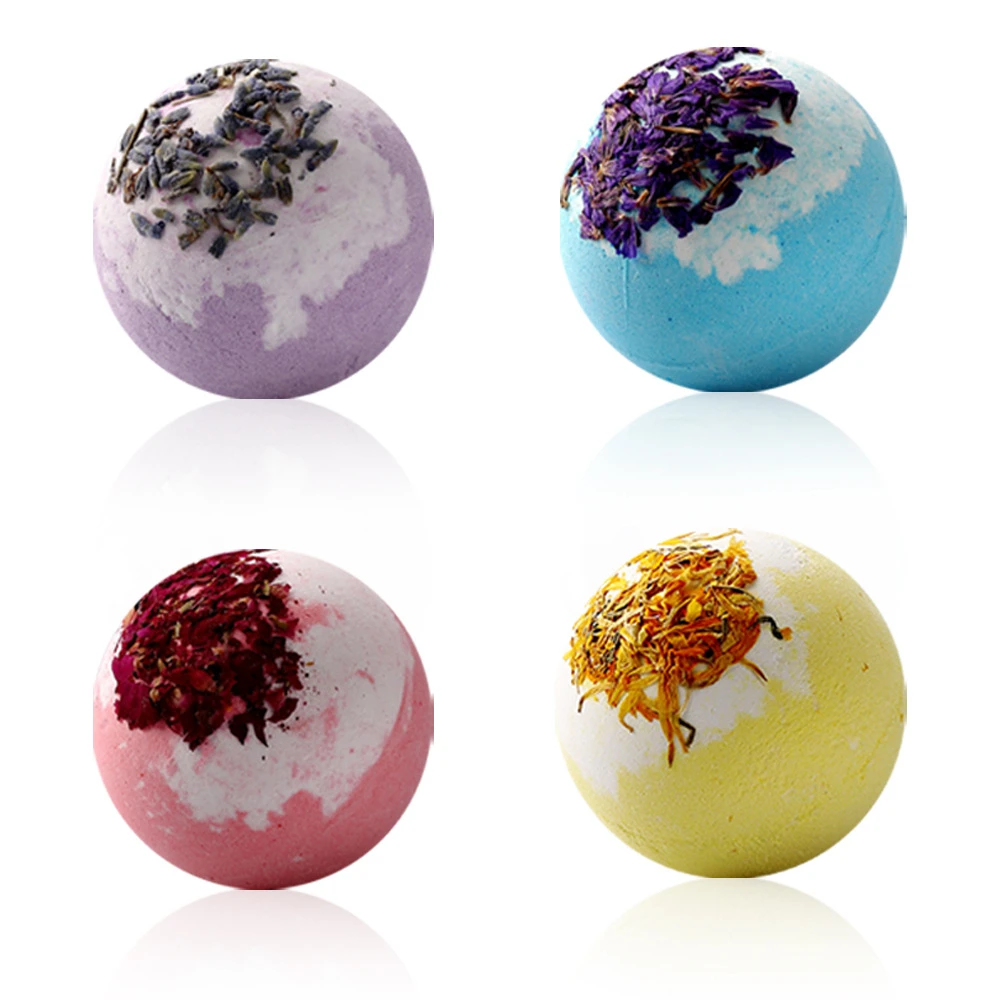
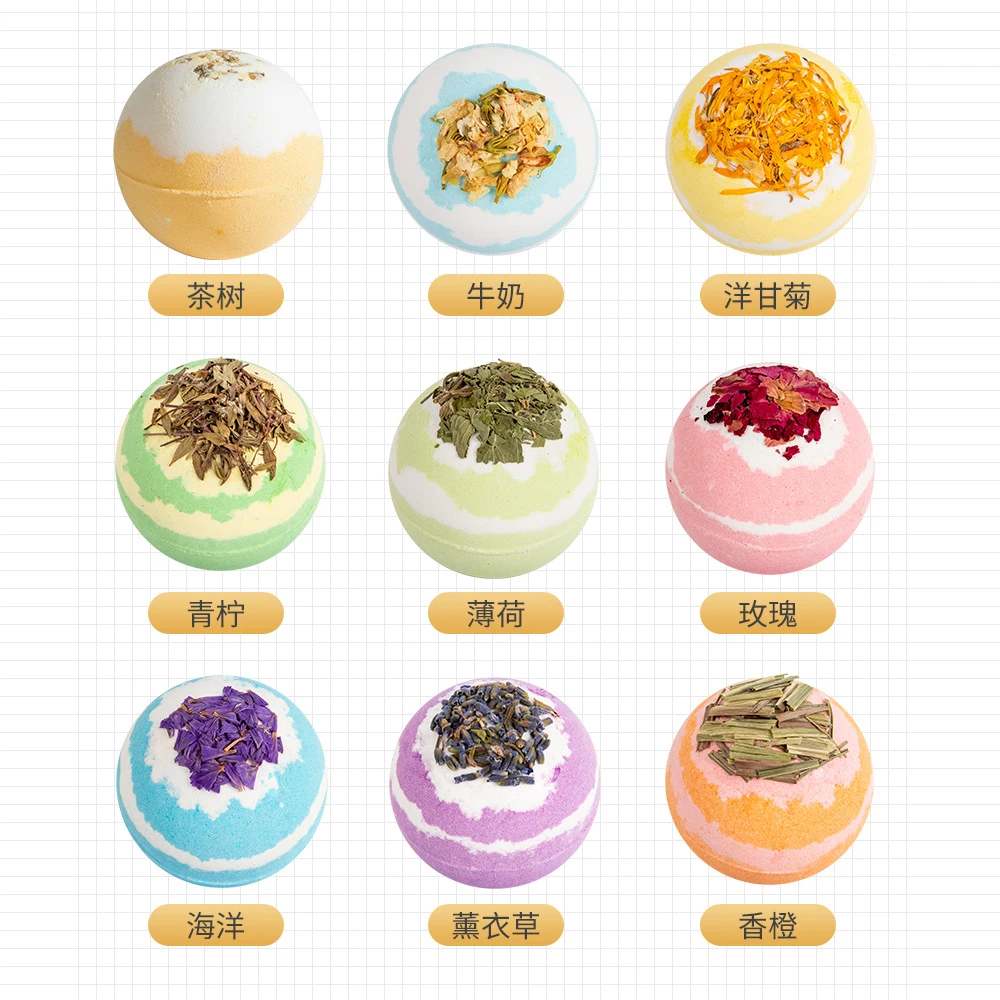
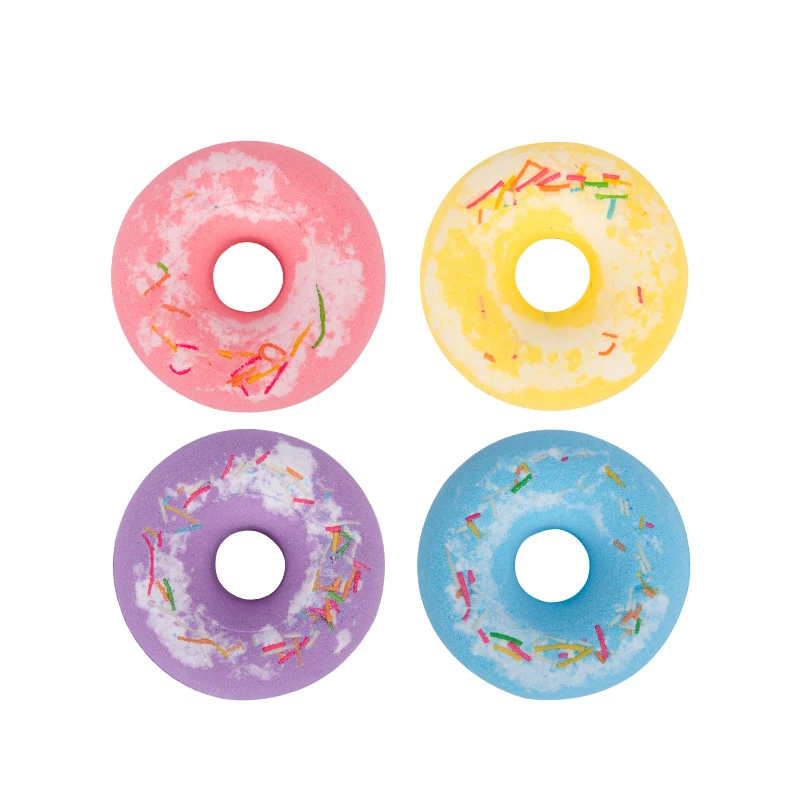
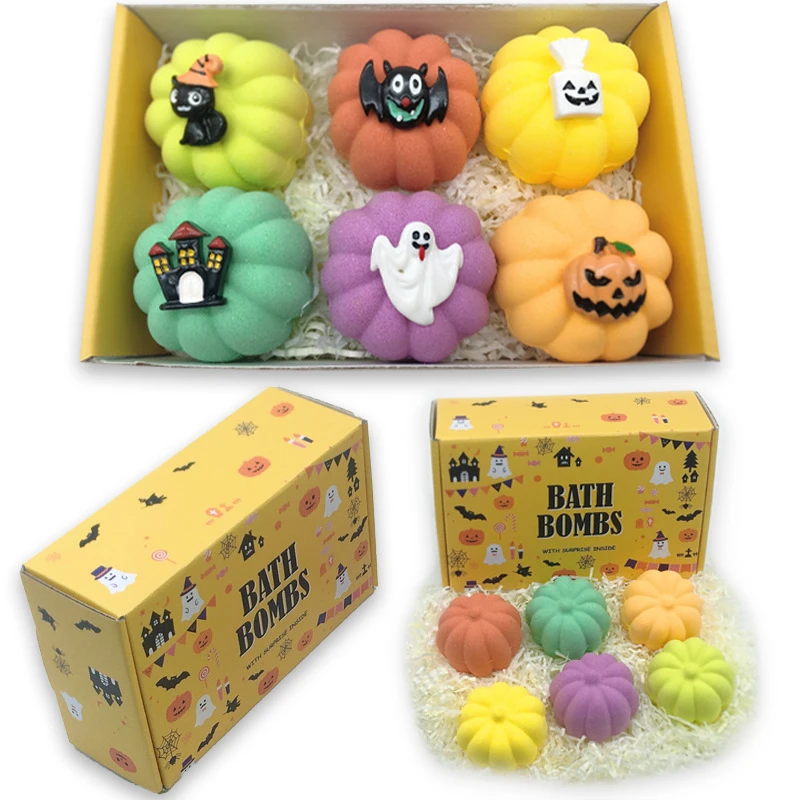
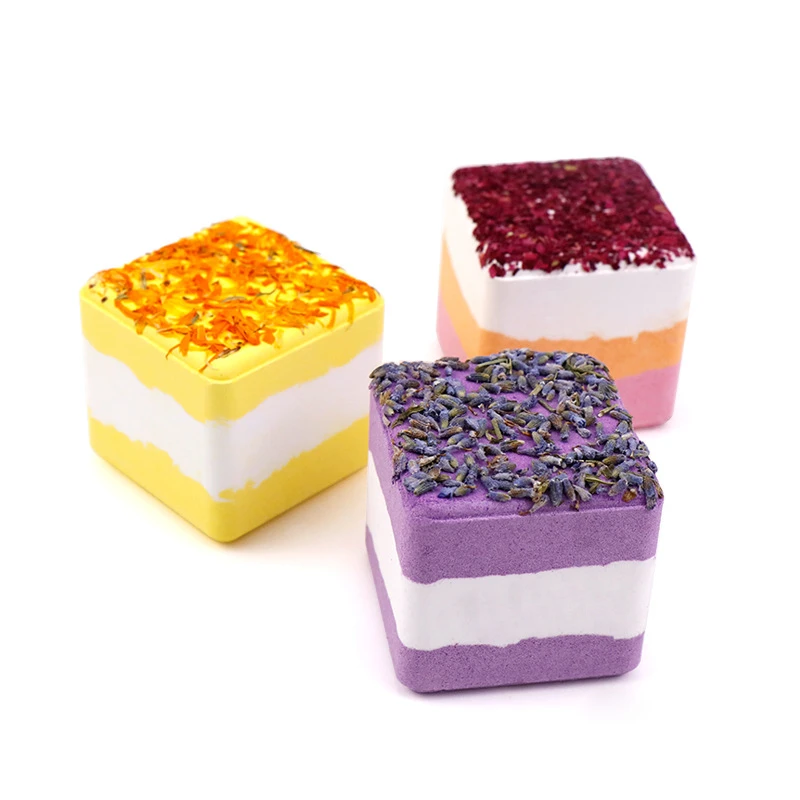
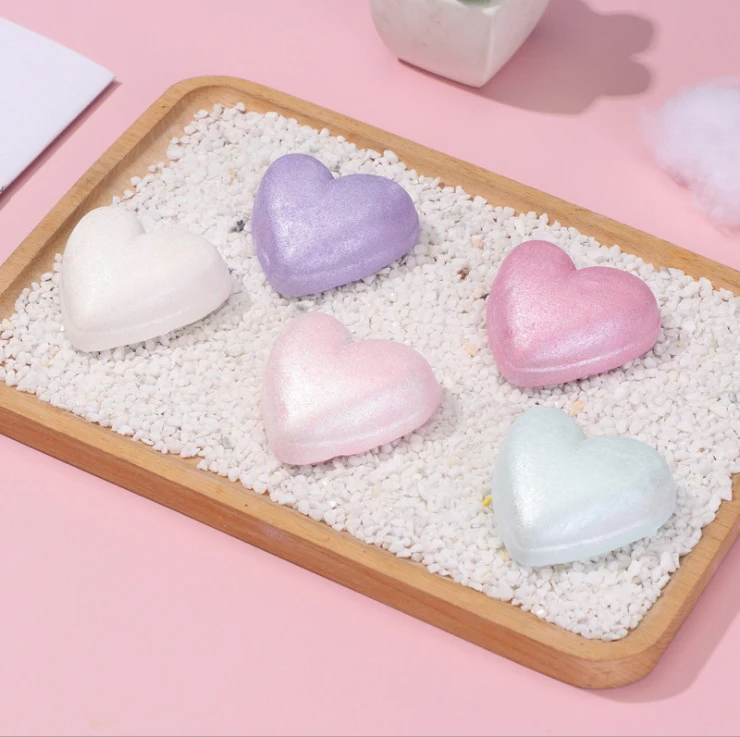
Perhaps what fascinates me most is how customizable these operations are. Many bath bomb factories offer tailored production runs ranging from classic round shapes to intricate floral or geometric molds. Colors and fragrances can be customized as well, keeping pace with quickly shifting consumer trends. I recall a vendor once casually telling me that “seasonal palettes and natural scents are our bread and butter” — it felt like a glimpse into the consumer psyche through manufacturing lenses.
Vendor Comparison: Bath Bomb Production Machinery
| Feature | Machinery A | Machinery B | Machinery C |
|---|---|---|---|
| Daily Output | 5,000 units | 7,200 units | 6,000 units |
| Automation Level | Semi-automatic | Fully automatic | Semi-automatic |
| Setup Flexibility | High | Medium | High |
| Maintenance | Moderate | Low | Moderate |
| Cost (USD) | $45,000 | $85,000 | $50,000 |
The customer stories in this industry are often just as colorful as the products themselves. I remember visiting a smaller factory where a family-run team specialized in organic bath bombs. Their recipe was so popular locally that they had to increase production twice in two years. It was a reminder that, in real terms, even niche markets can scale well if manufacturing is done right — and that machinery choice directly impacts how fast you can grow.
In closing, if you’re exploring a path into this type of production, consider not only the specs but the supplier’s understanding of natural ingredient handling. Oddly enough, the right equipment paired with sensible process controls can make all the difference between a mediocre fizz and a beloved bath ritual. You’ll want your line to feel smooth and reliable — because, honestly, that’s what keeps customers coming back.
For anyone curious about making the leap, a sneak peek into a bath bomb factory might just be the inspiration you need.
— From someone who's spent more than a few years steering through industrial complexity with a nose for quality.
References:
- Industry reports on cosmetic product manufacturing automation, 2023.
- Case studies from bath bomb producers in North America, 2022.
- Personal interviews with industrial equipment engineers, 2021–2023.