

How to Make the Perfect Fizzy Bath Powder Recipe | DIY Wellness Guide
Fizzy Bath Powder Recipe: Why It’s Gaining Global Attention
You might wonder why anyone would care about a fizzy bath powder recipe beyond just a little bathroom luxury. But actually, this simple formula sits at the crossroads of personal wellness, small-scale manufacturing, and increasingly, sustainable product design worldwide. People across continents are exploring these recipes not just for home spa time but as mini-business ventures or educational projects, fostering local economies and wellness habits globally.
As we zoom out, fizzy bath powders represent a growing wave of DIY self-care trends, aimed at delivering aromatherapy, skin benefits, and sensory relaxation — all packaged in an enjoyable effervescent fizz. Given the challenges of urban stress, environmental concerns, and the desire to tailor products to individual needs, understanding how to make and optimize these powders makes plenty of practical sense.
Setting the Stage: Why Fizzy Bath Powder Recipes Matter Globally
Worldwide, the bath and body care industry is booming — the global market was valued at roughly $160 billion in 2022 and is projected to grow steadily. Among the self-care products that resonate universally, bath bombs and fizzy bath powders have risen sharply in popularity because they blend instant gratification with natural ingredients, often homemade.
According to recent data from ISO standards on cosmetic product safety and from market analysis tracked by the World Bank, consumers today expect transparency, sustainability, and effectiveness. Bath powders, especially fizzy ones, have become a small but vibrant segment responding to these demands.
The challenge? DIY recipes often vary wildly, some failing to fizz properly or causing skin irritation. That’s why getting the right fizzy bath powder recipe isn’t just about fun – it’s about finding balance in ingredients that work well across climates, cultures, and consumer needs.
What Exactly Is a Fizzy Bath Powder Recipe?
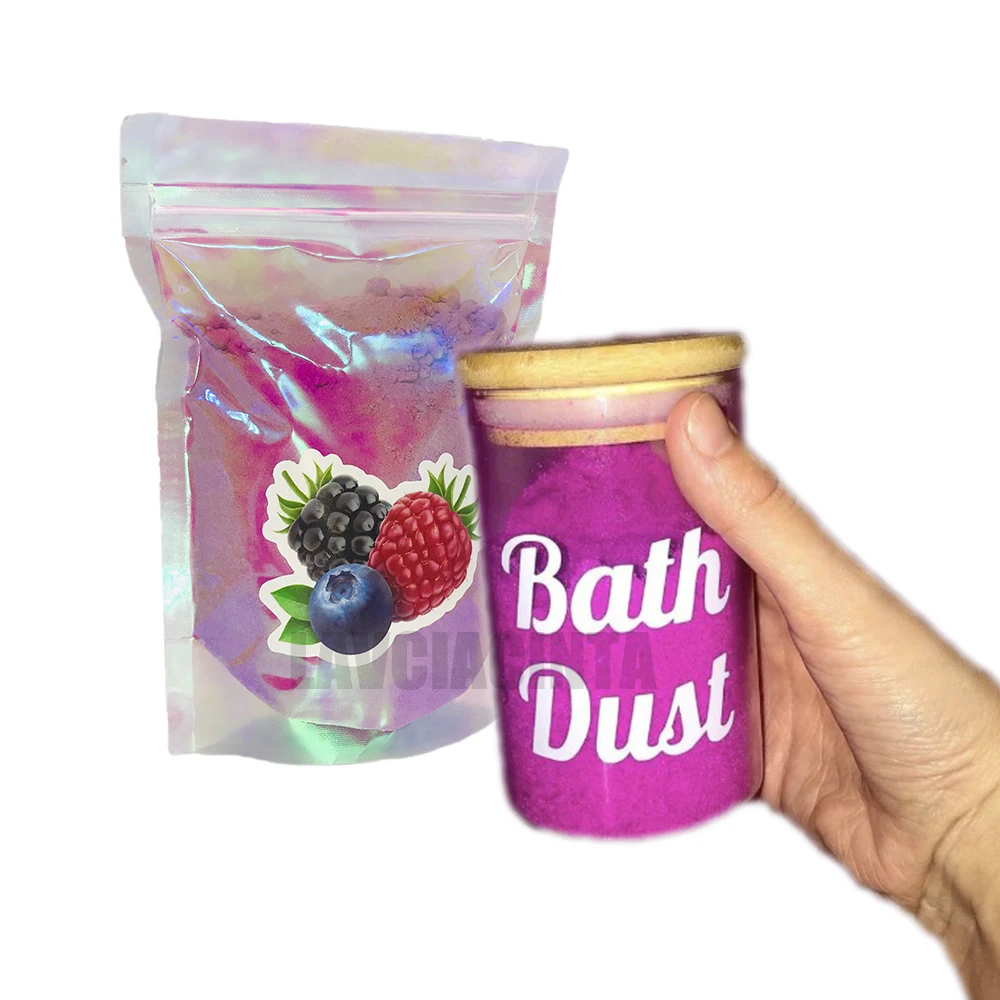
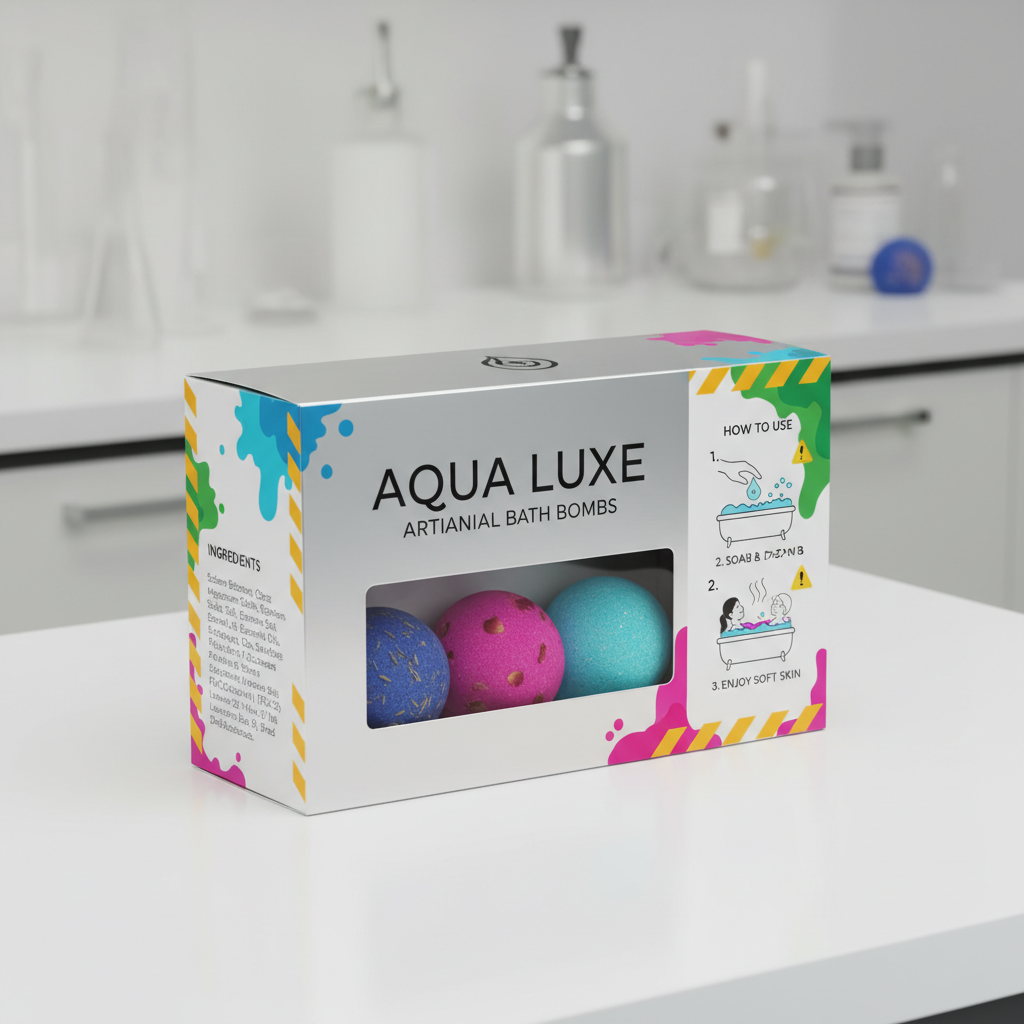
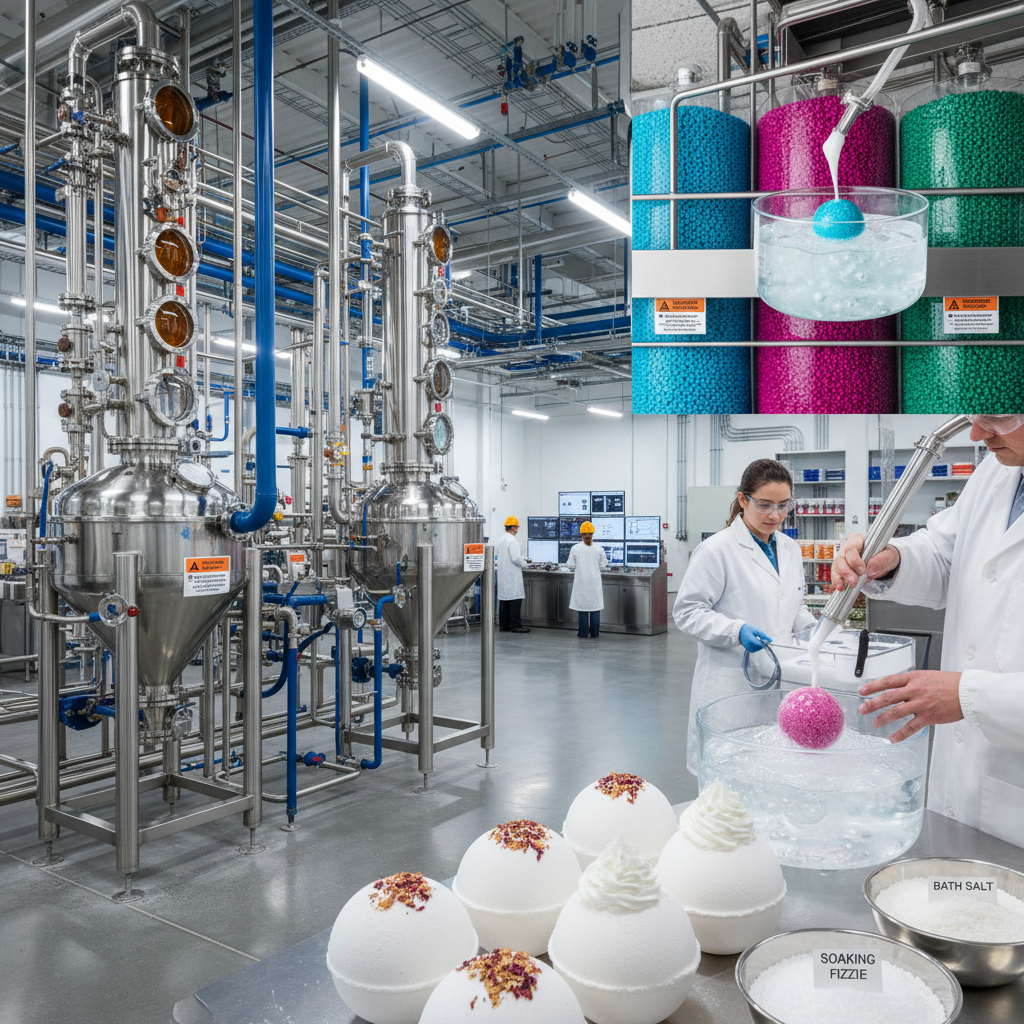
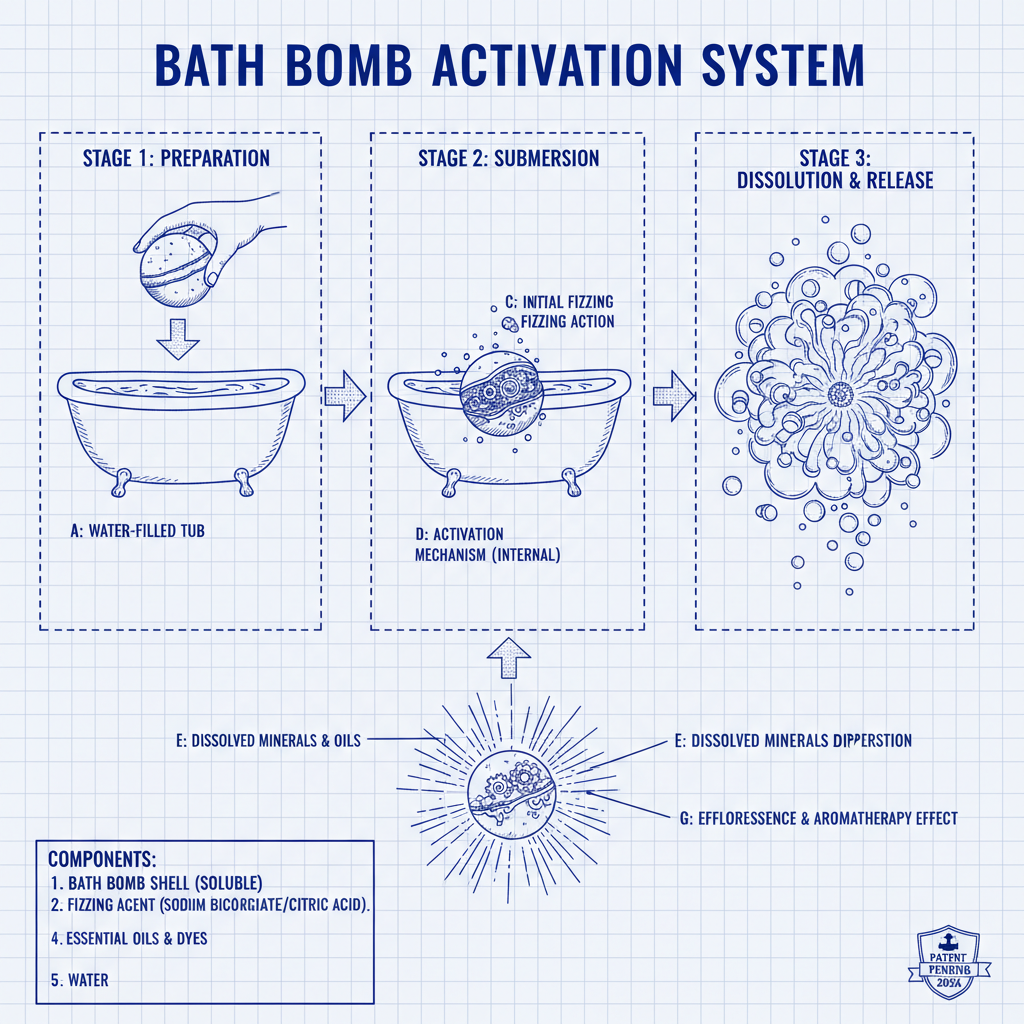
Put simply, a fizzy bath powder recipe is a formulation that combines dry ingredients which, when dropped in warm water, release a gentle fizz or effervescence. The fizz typically comes from a reaction between acids (like citric acid) and bases (usually baking soda) in the presence of water. Essential oils, botanicals, and other skin-loving components can be added for scent, color, and therapeutic effects.
In a modern context, these recipes aren't just homemade luxuries — they reflect wider trends in chemical-free cosmetics, small-batch local production, and even humanitarian efforts. For example, simple bath powders can be adapted to suit sensitive skin or a range of climates, or designed as easy-to-ship gifts or wellness kits.
Core Components Breakdown
- Fizzing Agents: Citric acid and sodium bicarbonate combine to create the bubbly action.
- Binders: Ingredients like arrowroot powder or cornstarch help hold the formula together and control the fizz speed.
- Oils & Scents: Essential oils provide aromatherapy benefits and mask the sometimes chalky base smells.
- Colorants & Botanicals: Natural clays, dried flower petals, and mica powders add aesthetic and textural appeal.
- Preservatives or Additives: Sometimes added to extend shelf life or enhance skin feel (though many prefer preservative-free recipes).
This balance between fizz, scent, texture, and feel is critical — and surprisingly nuanced. Too much acid and the powder fizzles prematurely; too little and it feels dull.
Mini Takeaway:
Understanding the basic makeup of fizzy bath powder recipes reveals how much chemistry and creativity intertwine — it’s not just mix-and-bake but a craft that benefits from knowledge and experimentation.
Where in the World Are Fizzy Bath Powders Making a Splash?
It's interesting how such a seemingly personal product has geographical influence. In Europe, especially Italy and the UK, artisanal bath bombs and powders are booming in boutique shops and spa lines. In Asia, particularly Japan and South Korea, innovative scents and herbal additions reflect cultural skin care traditions.
But beyond luxury, these recipes find footing in humanitarian and educational spaces, too. For instance, NGOs sometimes include small DIY wellness kits in refugee support packages, recognizing the importance of comfort and hygiene in crisis settings. Remote industrial workers in harsh climates might use powdered bath solutions as portable spa treatments when access to full baths is limited.
| Ingredient | Purpose | Typical % by Weight |
|---|---|---|
| Sodium Bicarbonate | Base for fizz | 40-45% |
| Citric Acid | Acid for fizz | 25-30% |
| Cornstarch/Arrowroot | Binder and softener | 20-25% |
| Essential Oils | Fragrance & therapy | 3-5% |
| Dried Flowers/Colorants | Visual appeal | 1-3% |
Advantages & Long-Term Value of Fizzy Bath Powders
Let’s be honest—there’s nothing quite like dropping a fizzy powder into warm water and watching it bloom with scent and bubbles. But the benefits go well beyond that moment of sensory delight. Financially, DIY or small-batch recipes allow entrepreneurs to innovate at low cost, often sourcing local ingredients and reducing packaging waste.
Environmentally, many fizzy bath powders rely on biodegradable ingredients, aligning with green consumer values. Socially, these powders add a touch of dignity and relaxation to daily routines or challenging circumstances — which I think is often underestimated. There’s an emotional dimension here, a reminder that small self-care rituals can promote well-being and mental health.
Emerging Trends: What’s Next for Fizzy Bath Powder Recipes?
The innovation frontier for fizzy bath powders involves sustainable sourcing (think non-GMO corn starch or wild-harvested botanicals), biodegradability testing, and tech-assisted customization. Some brands and makers are embracing digital tools to let customers design blends with personalized scent profiles or skin sensitivity considerations.
Automation in packaging and eco-friendly dispensers are also shaping how these powders reach consumers, especially for subscription models that entice repeat purchases. Oddly enough, this little bath powder category feels very much like a microcosm of larger cosmetics industry trends, which is fascinating.
Common Challenges & How to Address Them
People often tell me their fizzy bath powder fizzes too fast or barely at all — this usually boils down to moisture content or ingredient proportions. Storage is crucial; these powders hate humidity. Also, finding the right balance of fragrance without skin irritation can be tricky. Learning from experts and standardizing procedures helps.
Formula tweaks — like adding natural anti-caking agents or packaging in sealed pouches — go a long way. And there's a growing push for transparency, meaning suppliers now often provide certificates of analysis for ingredients, which builds trust.
Mini Takeaway:
Challenges in fizzy bath powder recipes are mostly overcome by patience, good ingredient sourcing, and a willingness to experiment, which sounds a bit like life, actually.
FAQ: Your Fizzy Bath Powder Questions Answered
- How do I prevent my fizzy bath powder from clumping?
- Clumping is mostly caused by moisture. Store your powders in airtight containers in a dry place. Adding small amounts of anticaking agents like cornstarch or rice powder can help keep your mix free-flowing.
- Can I use any essential oils in the bath powder?
- Not all essential oils are safe for skin, especially in concentrated forms. Stick to skin-safe oils like lavender, chamomile, or eucalyptus, and always dilute appropriately. Test a small patch of skin before full use.
- Is it possible to customize the fizz intensity?
- Yes. Adjusting the ratio of baking soda to citric acid affects the fizz. More acid tends to create a stronger, faster fizz but risks premature reaction during storage. Balancing is key.
- How long does homemade fizzy bath powder last?
- Stored properly away from moisture and heat, a homemade batch can last up to six months. But freshness of essential oils can fade sooner, so smaller batches are best.
Vendor Comparison: Popular Fizzy Bath Powder Ingredient Suppliers
| Supplier | Ingredient Range | Pricing | Certification |
|---|---|---|---|
| PureEssence Co. | Organic essential oils, natural binders | Mid-range | ISO 22716, USDA Organic |
| Bath Formula Supplies | Citric acid, sodium bicarbonate, additives | Budget-friendly | GMP Certified |
| GreenGlow Naturals | Plant-based powders, flower petals, mica colors | Premium | COSMOS Organic, Fair Trade |
Wrapping Up: Why You Should Explore Fizzy Bath Powder Recipes
Whether you’re a hobbyist looking for a fun new project, a small business owner ready to tap niche wellness markets, or just someone who loves a good soak, understanding fizzy bath powder recipes offers solid value. There’s this satisfying blend of science and artistry that makes the whole experience more meaningful. Plus, as society moves toward more sustainable, personalized self-care, these powders could become your new go-to for relaxation — or even your first step into cosmetic entrepreneurship.
If you want to start experimenting, why not check out our fizzy bath powder recipe collection on our website? There’s something surprisingly rewarding about making your own little fizzing magic.