

Expert Guide to Painting Bath Bombs with Mica – Techniques, Ethics & Trends
Painting Bath Bombs With Mica: More Than Just Sparkle
At first blush, painting bath bombs with mica might sound like a quirky craft idea—but it’s a fascinating blend of art, chemistry, and small-scale manufacturing that’s bubbling up globally. Why care? Because this simple technique transforms ordinary bath bombs into luxurious sensory experiences, tapping into the booming wellness market worldwide. As consumers clamor for natural and visually striking personal care products, understanding the dynamics behind using mica pigments elevates your bath bombs from "nice" to "wow." Whether you're a small artisan maker or a brand looking to innovate, there's a fresh angle here worth exploring.
The Global Wave of Painted Bath Bombs: Context and Challenges
Globally, the personal care industry is a trillion-dollar ecosystem with natural and artisanal products gaining serious ground. Data from the Statista personal care market report shows a steady rise in consumers seeking products that appeal visually and ethically. Mica, a naturally occurring mineral known for its shimmering qualities, is widely used as a pigment to paint bath bombs with a delicate, lasting sparkle.
But here’s the rub: mica sourcing has faced scrutiny over ethical concerns, including child labor in some mining regions. This means not just the "how" but also the "where" and "who" behind the mica makes a big difference for companies and makers alike.
In essence, painting bath bombs with mica is both an aesthetic choice and an opportunity to reinforce responsible sourcing and branding — a challenge and a chance that comes with the glitter.
What Does Painting Bath Bombs With Mica Actually Mean?
Simply put, painting bath bombs with mica involves applying a fine, pearlescent powder made from mica mineral flakes as a pigment to bath bombs’ surfaces for visual effect. This can be done using dry brushing, mixing mica powders into liquids, or even creating mica-infused sprays.
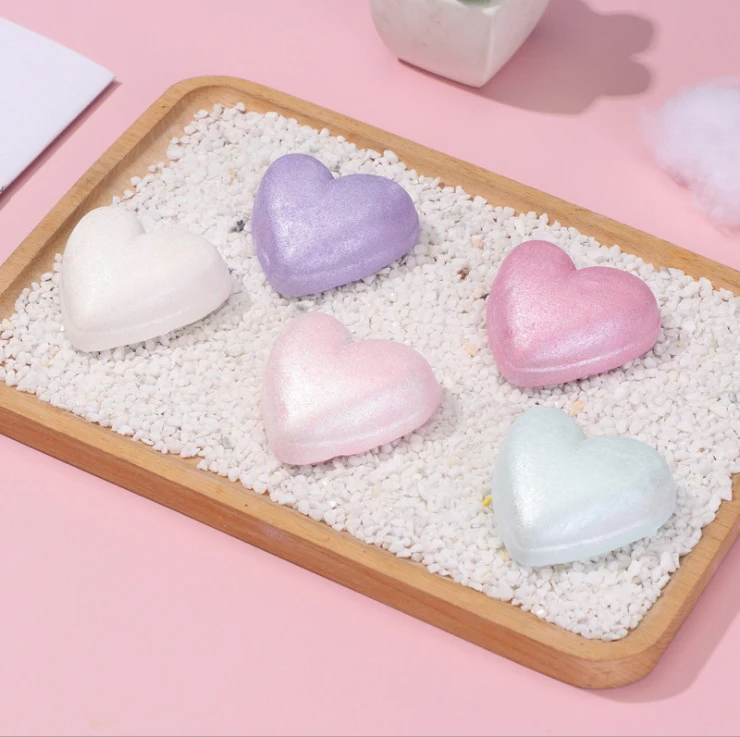
It's more than decoration. The mica coating can interact with water, creating shimmering, swirling patterns as the bomb fizzes, enhancing the relaxing and sensorial bath experience. It’s a subtle art and a technical process wrapped into one.
Key Factors Involved in Painting Bath Bombs With Mica
1. Quality & Particle Size of Mica
Particle size plays a key role in how the mica looks on the surface of the bath bomb. Finer mica creates a gentle shimmer, while coarser flakes produce a bold sparkle. High purity mica is preferred to avoid any skin irritation.
2. Application Technique
Techniques vary from dry brushing the dry surface, using alcohol or oils as binders for liquid application, to sprays for even coverage. Each method influences the final look and interaction with bath water.
3. Sustainability & Ethical Sourcing
Awareness around conflict-free mica sources is growing, driving brands to seek mica certified by organizations like the Responsible Mica Initiative.
4. Compatibility With Bath Bomb Formulation
Choosing mica that does not react poorly with baking soda, citric acid, or fragrance oils ensures the bath bomb behaves as expected (fizzing gently without residue build-up).
5. Color Range and Customization Options
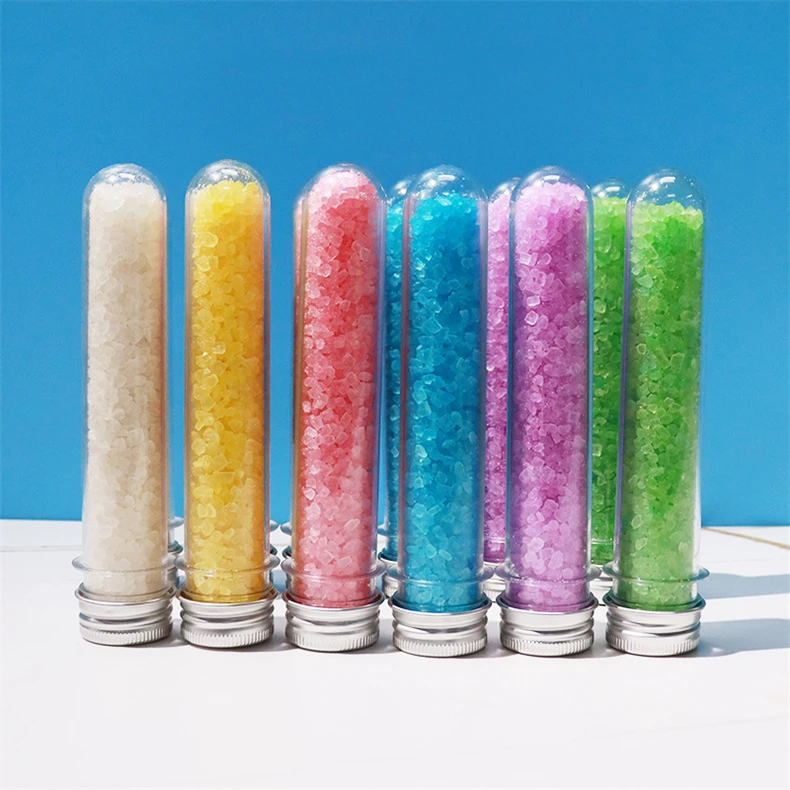
Mica powders come in a dazzling range of colors and effects—from pearly whites to vibrant pinks, blues, golds, and more—allowing artisans to create signature looks.
6. Safety and Skin Sensitivity
Because mica remains on the skin after use, hypoallergenic and cosmetic grade mica powders reduce risks and improve consumer trust.
Mini Takeaway:Painting bath bombs with mica is a subtle blend of artistry and chemistry, where material quality and application technique define success. The ethical sourcing angle brings a modern responsibility to manufacturers and makers.
How Are Painted Bath Bombs With Mica Used Around The World?
From indie bath boutiques in Europe to large bath product lines in North America and Asia, painting bath bombs with mica has a global footprint—though it remains largely artisanal in scale. In regions where self-care is booming, like South Korea and the U.S., mica-painted bath bombs are a staple on e-commerce platforms.
Some spa brands incorporate painted bath bombs for premium “Instagrammable” experiences, while eco-conscious companies push boundaries by combining mica with natural, biodegradable binders.
Interestingly, humanitarian-oriented craft projects sometimes use mica painting as a low-barrier, creative business-building skill in developing countries, tying into social enterprise models.
Advantages & Long-Term Value of Painting Bath Bombs With Mica
- Visual Appeal: The shimmer makes products stand out on crowded shelves and social feeds.
- Consumer Engagement: Creating sensory-rich experiences builds loyalty and word-of-mouth.
- Sustainability Potential: With proper sourcing, mica allows brands to demonstrate responsibility.
- Customization: Vast color and finish options let makers innovate easily.
- Market Differentiation: Painted bath bombs can command premium prices.
Ultimately, the mica finish is about layering meaning—luxury, environment, artistry—on a fundamentally simple product.
Product Specification Table: Typical Mica Paint for Bath Bombs
| Specification | Detail |
|---|---|
| Material | Natural Mica Mineral |
| Particle Size | 10-50 microns (cosmetic grade) |
| Color Range | Pearlescent Whites, Pink, Blue, Gold, Green, Custom blends |
| Binder Compatibility | Alcohol, Natural oils, Water-based |
| Ethical Certification | Responsible Mica Initiative, COSMOS |
Vendor Comparison Table: Popular Mica Powder Suppliers
| Supplier | Ethical Sourcing | Price (per kg) | Color Options | Custom Blends |
|---|---|---|---|---|
| PureGlow Minerals | Yes (RMI certified) | $85 | 25+ standard | Available |
| ShimmerCraft | Partial (ongoing audits) | $70 | 15 standard | No |
| Nature’s Hue | Yes (COSMOS certified) | $95 | 30+ standard | Available |
Future Trends and Innovations in Painting Bath Bombs With Mica
Looking ahead, the trend toward sustainability will shape mica usage profoundly. More brands seek synthetic mica alternatives that mimic the sparkle without mining. Digital color matching, automation in pigment application, and enhanced biodegradable binders are also on the rise. Oddly enough, some companies plan to experiment with bioengineered pigments to reduce environmental impact further.
Also, regulatory pressure for clearer labeling on mica sourcing is intensifying, meaning transparency is becoming a key marketing and ethical pillar.
Challenges and How Innovators Are Addressing Them
While mica adds undeniable beauty, it’s not without challenges: consistency in application, ethical sourcing concerns, and potential skin sensitivities top the list. Several companies have turned to painting bath bombs with mica combined with natural binders like jojoba oil to improve adhesion and skin safety.
Others employ traceability tech (blockchain, anyone?) to validate ethical supply chains. Plus, patch testing and hypoallergenic formulations help ease consumer concerns.
Frequently Asked Questions About Painting Bath Bombs With Mica
Q1: Is mica safe for sensitive skin when used on bath bombs?
A1: Cosmetic-grade mica is generally safe and hypoallergenic, but some sensitive individuals might react. When painting bath bombs with mica, it’s best to choose certified, finely milled mica and test batches for any adverse skin reactions before wide release.
Q2: Can I use any mica powder for painting bath bombs?
A2: Not all mica powders are suitable. Use cosmetic or cosmetic-grade mica specifically labeled for skin contact. Avoid industrial or craft mica that may have impurities or larger particles.
Q3: How do I apply mica to bath bombs effectively?
A3: Application techniques vary: dry brushing mica on finished dry bombs works well, or mixing mica with alcohol or oils for liquid paints can create smooth finishes. Experiment depending on desired effect.
Q4: Does mica affect bath bomb fizzing?
A4: Properly applied mica generally does not interfere with fizzing. However, over-application or wrong binders might affect water interaction, so testing is key.
Q5: Are there eco-friendly mica sources?
A5: Yes, ethical mica sourcing from certified mines and synthetic mica alternatives offer greener choices for environmentally conscious brands.
Wrapping It Up: Why Painting Bath Bombs With Mica Matters
In the world of bath bombs, a little mica goes a long way—to lift a plain fizz into a glowing, shimmering experience that delights customers and lifts brand stories. But it’s not just sparkle for sparkle’s sake: ethical sourcing, application finesse, and future-forward sustainability all play parts.
If you're curious and want to dive deeper into painting bath bombs with mica, including the sourcing and application tips, check out resources like painting bath bombs with mica. It offers a treasure trove of insights for artisans and brands alike.
So go ahead, add that blush of soft shimmer—the bath bomb your customer remembers might just be a painted one.