

Essential Guide to Bath Bombs with Baking Powder: Chemistry, Benefits & Trends
Discovering Bath Bombs with Baking Powder: A Fizzy Global Sensation
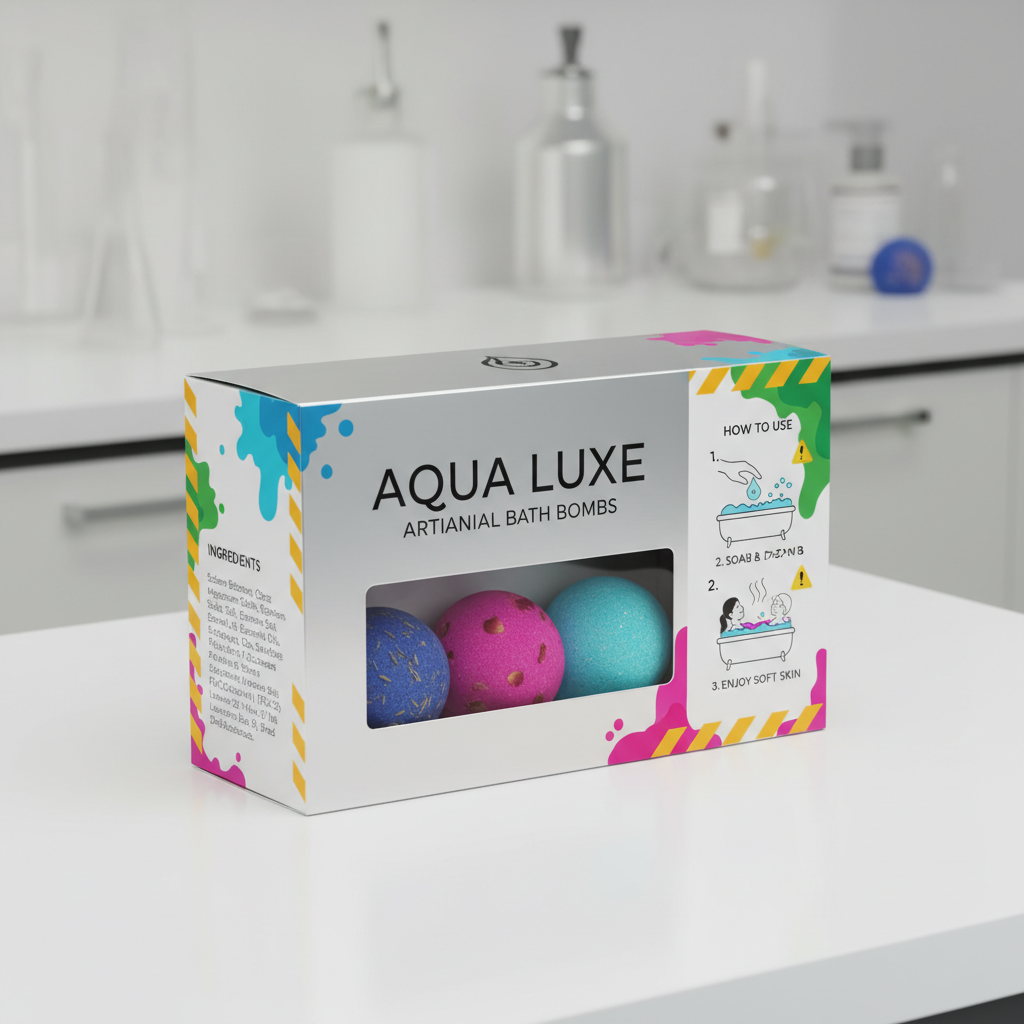
Bath bombs have been turning simple bathtime into a vibrant sensory experience for years. But what makes bath bombs with baking powder particularly fascinating isn’t just their fizz or fragrance—it’s the unique chemistry behind them and their global cultural footprint. Whether you're relaxing after a long day or exploring wellness trends worldwide, these fizzy wonders blend ancient bathing rituals with modern science in a way that’s quite captivating. Understanding them opens a little window into chemistry, trade, sustainability, and even self-care across continents.
Why the Fuss? Looking at Bath Bombs with Baking Powder in the Global Context
Globally, the personal care and wellness industry is buzzing (quite literally) around bath bombs, and including baking powder makes them even more accessible and innovative. According to the Global Wellness Institute, the wellness economy was estimated at $4.5 trillion in 2018 and keeps growing steadily. Bath bombs represent a small but dynamic slice of this market — especially as consumers seek safer, more natural products.
One intriguing challenge the bath bomb industry addresses: creating effective fizz that’s both gentle on skin and eco-conscious. Baking powder, a common household ingredient, offers an inexpensive, widely available solution, making it popular in areas where classic citric acid or tartaric acid might be harder or costlier to procure. That’s why you see bath bombs with baking powder being embraced from bustling cities to remote communities.
What Exactly Are Bath Bombs with Baking Powder?
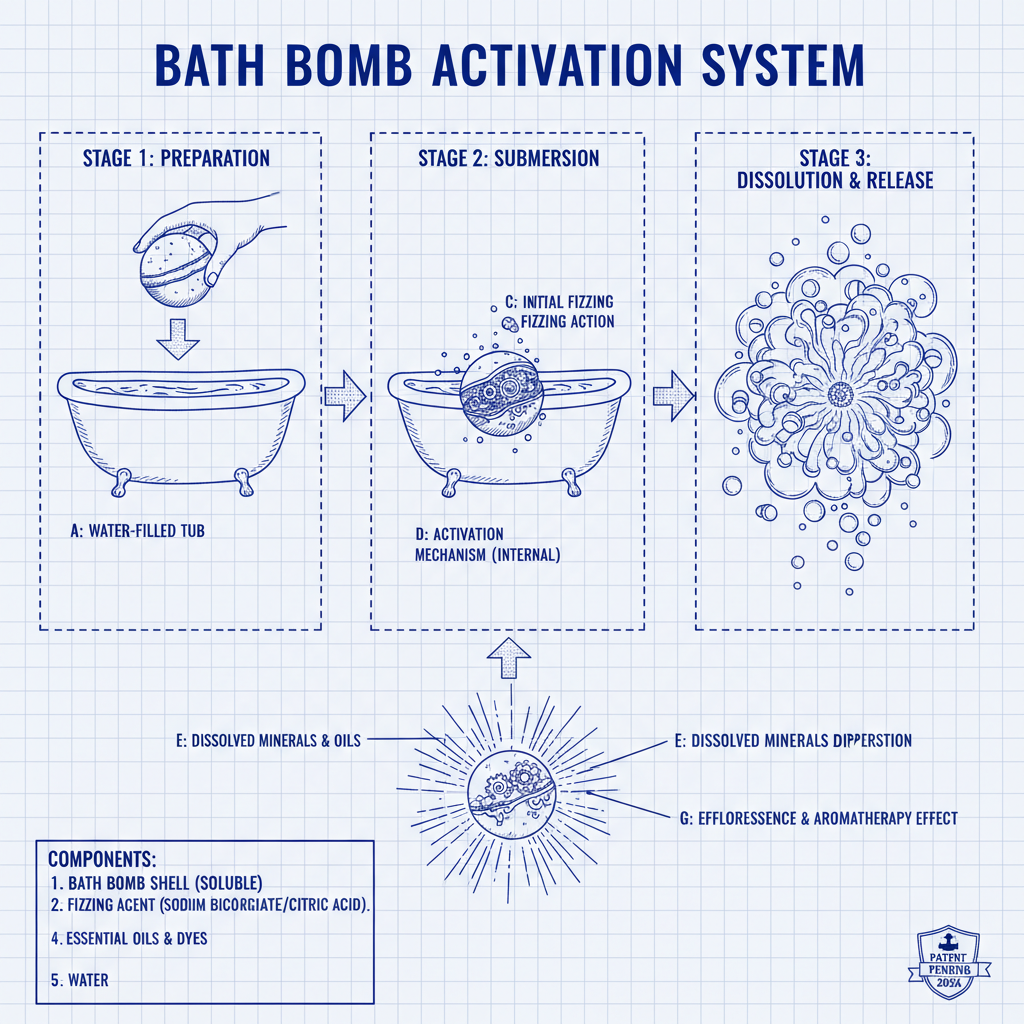
In simple terms, bath bombs are compact mixtures of dry ingredients that react with water to create bubbly, fragrant water. Most often, bath bombs fizz thanks to acid-base reactions — traditionally, citric acid and baking soda react to release carbon dioxide bubbles. But when baking powder replaces baking soda or works alongside it, the fizz may vary in timing, texture, and scent release.
Baking powder is essentially baking soda combined with an acid, typically cream of tartar and sometimes cornstarch. Its dual nature helps create a slower or more controlled fizz, appealing to manufacturers and consumers looking for different bathing sensations. This minor tweak impacts everything from shelf life to the bath bomb’s performance — which, oddly enough, makes it a small but powerful innovation in this personal care niche.
Core Components of Bath Bombs with Baking Powder
1. Ingredient Interaction & Fizz Dynamics
Baking powder brings a modified fizz: often a gentler, smoother bubbling that stretches a bath bomb’s dissolve time without sacrificing the signature burst. Manufacturers balance this carefully because too slow a fizz can feel anticlimactic, while too fast can be a mess in the tub.
2. Skin Compatibility and Safety
One of the biggest factors for bath bombs is skin safety. Baking powder is generally very mild and hypoallergenic, appealing to sensitive skin users who might otherwise avoid harsh acid or soda combinations.
3. Cost and Scalability
Since baking powder is cheap and globally accessible, integrating it into bath bombs makes production cheaper and easier to scale—key for brands targeting mass markets or emerging economies.
4. Fragrance and Color Release
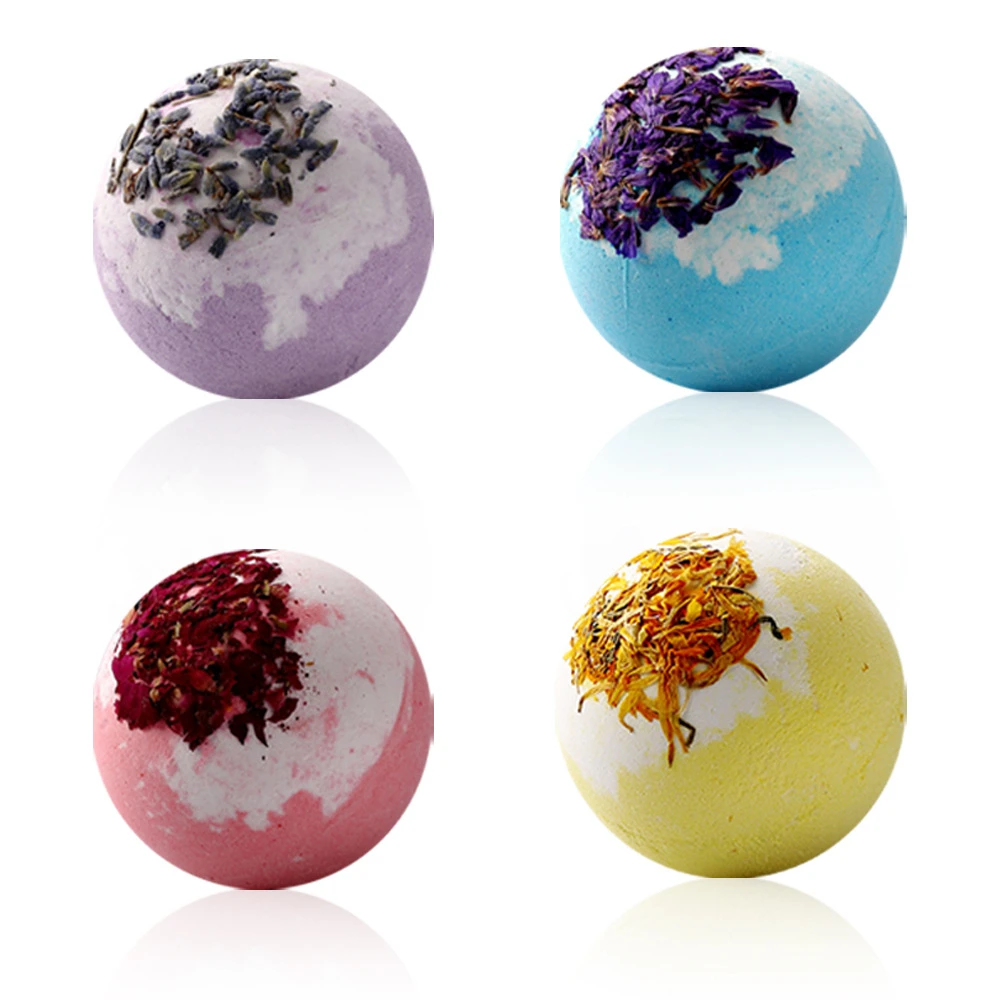
The reaction timing affects how fragrances and colors are unleashed. Because baking powder controls how quickly fizz happens, it can create “layers” of scent or gradual color diffusion, which many bath bomb creators experiment with.
5. Environmental Impact
Using baking powder contributes to consumer interest in eco-friendly products. It is biodegradable and doesn’t leave harsh residues, making it appealing to the environmentally aware buyer.
Mini takeaway: Baking powder may appear humble, but its chemistry subtly shifts bath bomb fizz experience, production costs, and even consumer choice globally.
Where Are Bath Bombs with Baking Powder Making Waves?
Curiously, these bath bombs have found fans across a variety of environments:
- Emerging markets: Affordable options for personal care in Southeast Asia and Latin America
- DIY & artisanal creators: Small-batch producers in Europe and North America experiment with formulation variations
- Wellness spas and hotels: Offering unique guest experiences blending gentle fizz and fragrance layering
- Online retail: Handmade bath bombs including baking powder appeal to wellness enthusiasts looking for alternatives to conventional formulas
For example, in post-disaster humanitarian relief zones, simple, effective personal hygiene materials including bath bombs (with safe, mild ingredients like baking powder) improve dignity and mental health in temporary housing conditions. It’s a small but meaningful piece of a large puzzle.
Why Choose Bath Bombs with Baking Powder? Advantages and Beyond
- Cost-effective and easy to produce: Manufacturers rely on baking powder’s affordability to create whimsical products at reasonable prices.
- Skin-friendly and hypoallergenic: Many users with sensitive skin report fewer irritations.
- Customizable fizz speed: Producers can tailor how fast or slow the bath bomb dissolves, enhancing sensory play.
- Eco-conscious: Bio-friendly ingredients resonate with a global shift toward sustainable beauty.
- Emotional wellbeing: Fizzing bath bombs transform a mundane bath into a moment of joy, calm, or creativity.
In short, the intersection of chemistry and care in such a simple product delivers both tangible and emotional value.
Peeking Ahead: Future Trends in Bath Bomb Technology
Innovation thrives in natural beauty products, and bath bombs with baking powder are no exception. Here’s what’s on the horizon:
- Green chemistry: Using organic and responsibly sourced baking powders and additives.
- Smart scents & effects: Layered fragrance technologies combined with controlled fizz timing.
- Digital DIY platforms: Interactive kits and recipes integrating baking powder as a star ingredient.
- Sustainability drives: Biodegradable packaging and zero-waste manufacturing.
Obstacles and How Experts Overcome Them
Of course, the journey isn’t without hurdles.
- Consistency: Baking powder’s variable acid content can cause batch differences — manufacturers use quality controls and blending to mitigate this.
- Fizz control: Adjusting ratios carefully to avoid fizz that’s either too slow or too overwhelming.
- Storage stability: Baking powder reacts with humidity, requiring sealed packaging solutions.
Many developers are experimenting with blends, moisture-proof storage, and education for users to keep the fizz perfect every time.
FAQ: Common Questions About Bath Bombs with Baking Powder
- Q: Are bath bombs with baking powder safe for sensitive skin?
- A: Generally, yes. Baking powder is mild and often used in products aimed at reducing irritation. However, always check for additional ingredients like fragrances or dyes that might cause sensitivity.
- Q: How long do bath bombs with baking powder typically fizz?
- A: Usually, between 2 to 5 minutes, depending on the formula. Baking powder can slow fizz rates for a more prolonged effect compared to baking soda and citric acid alone.
- Q: Can I make bath bombs with baking powder at home?
- A: Absolutely! Baking powder is a common and safe ingredient for DIY bath bombs. Be mindful of moisture and storage to maintain fizz quality.
- Q: Why choose baking powder over baking soda in bath bombs?
- A: Baking powder already contains acid, which can simplify formulations and adjust fizz timing for different effects.
- Q: Are bath bombs with baking powder environmentally friendly?
- A: Yes, in general. Baking powder’s components are biodegradable. Coupled with sustainable packaging, they’re a good choice for eco-conscious consumers.
Specification Table: Typical Bath Bomb with Baking Powder
| Feature | Details |
|---|---|
| Size | 50-100 grams (typical) |
| Key Ingredients | Baking powder, baking soda, citric acid (optional), fragrance oils, colorants |
| Fizz Duration | 2–5 minutes |
| Shelf Life | 6–12 months (properly sealed) |
| pH Level | Typically 6–7 (skin-friendly) |
| Environmental Impact | Biodegradable ingredients, minimal residue |
Vendor Comparison: Popular Bath Bomb Manufacturers Using Baking Powder
| Brand | Price Range (per unit) | Fizz Duration | Eco Credentials | Customization |
|---|---|---|---|---|
| FizzEase Naturals | $3–$5 | 4 minutes | Certified biodegradable | Yes, scent & color options |
| Bubbly Bliss | $2–$4 | 3 minutes | Partial eco-friendly packaging | Limited scents |
| The Powdered Bath | $4–$6 | 5 minutes | Organic ingredients, zero waste | Fully customizable |
Wrapping It Up: The Subtle Magic of Bath Bombs with Baking Powder
So, if you’ve never paused to think about how a little baking powder changes the bath bomb world, maybe now you see it’s more than just fizz—it’s chemistry, global trade, personal care innovation, and even sustainability rolled into one small sphere. Whether you’re a consumer, a maker, or just curious, these bath bombs tie together science and delight pretty beautifully.
And if you want to explore some truly lovely options, check out bath bombs with baking powder for a glimpse into high-quality, safe, eco-friendly indulgence.