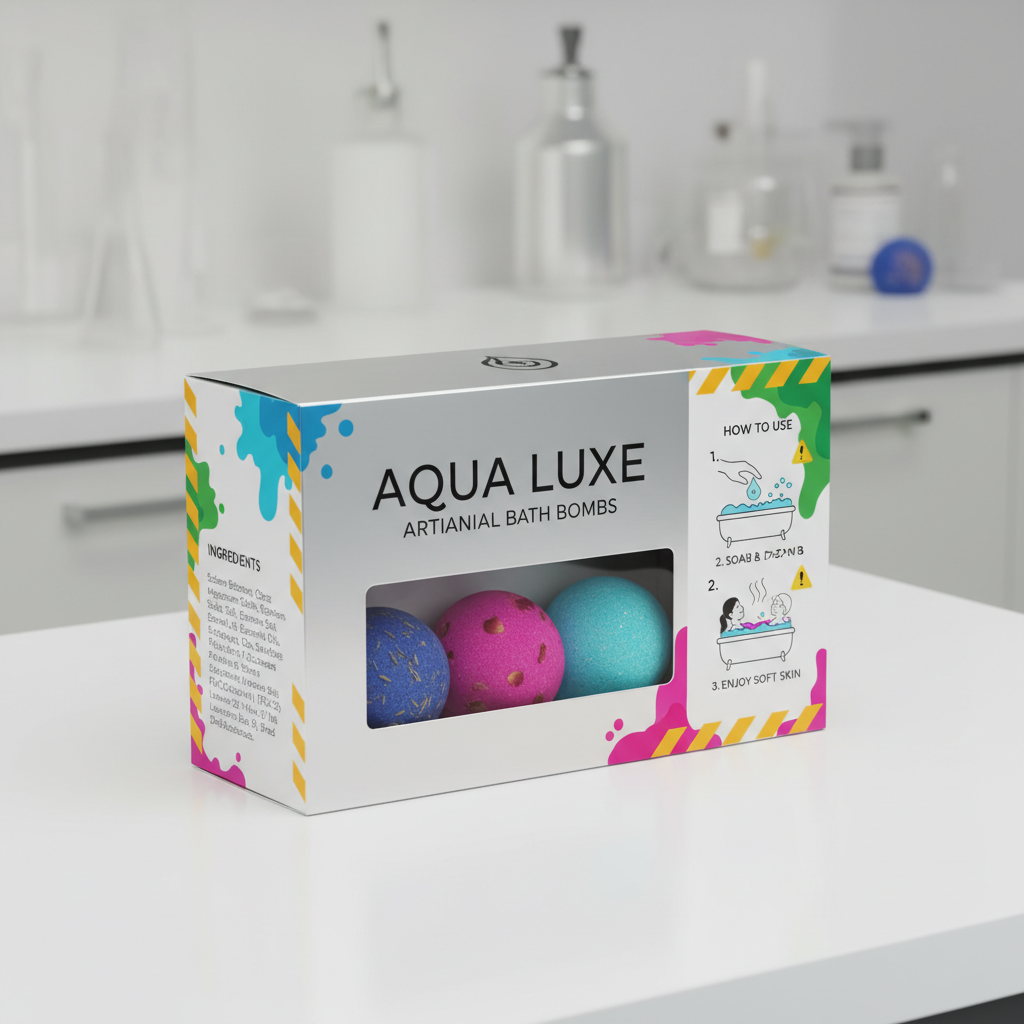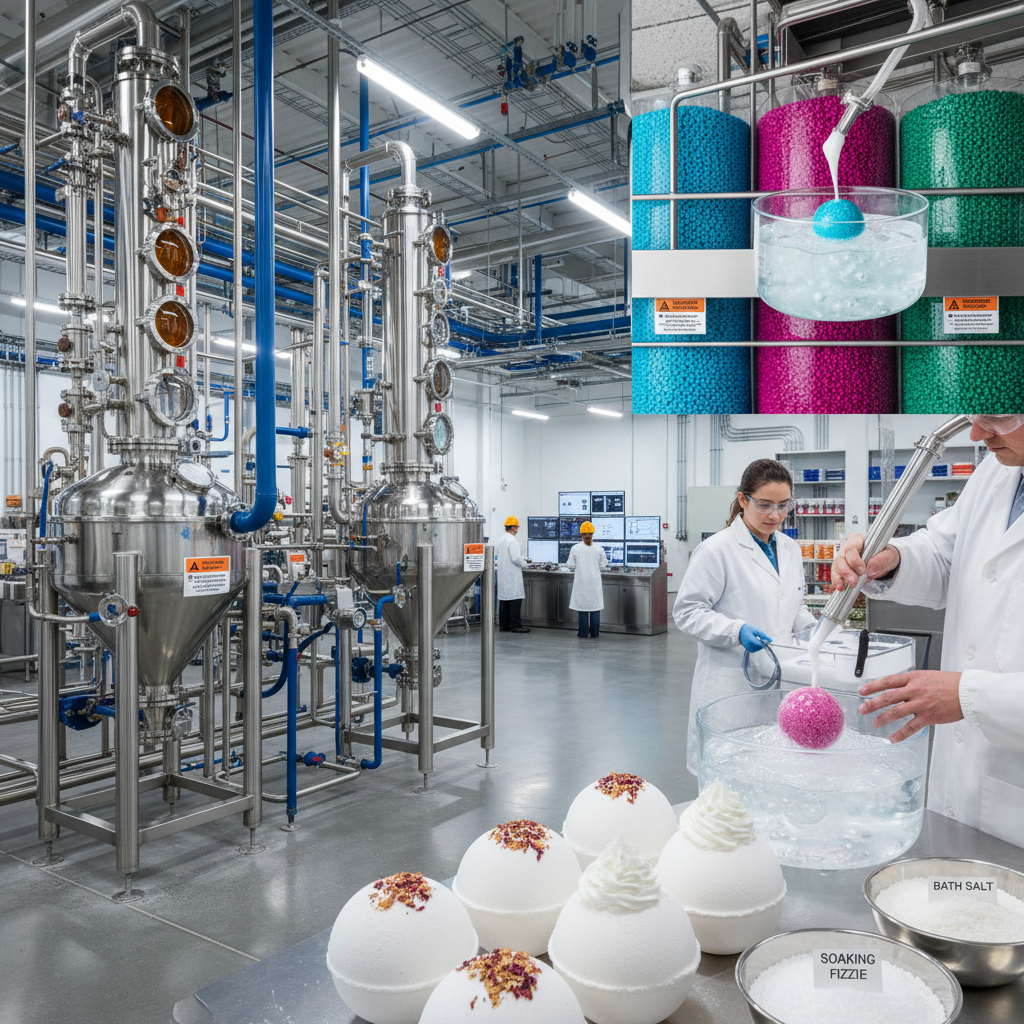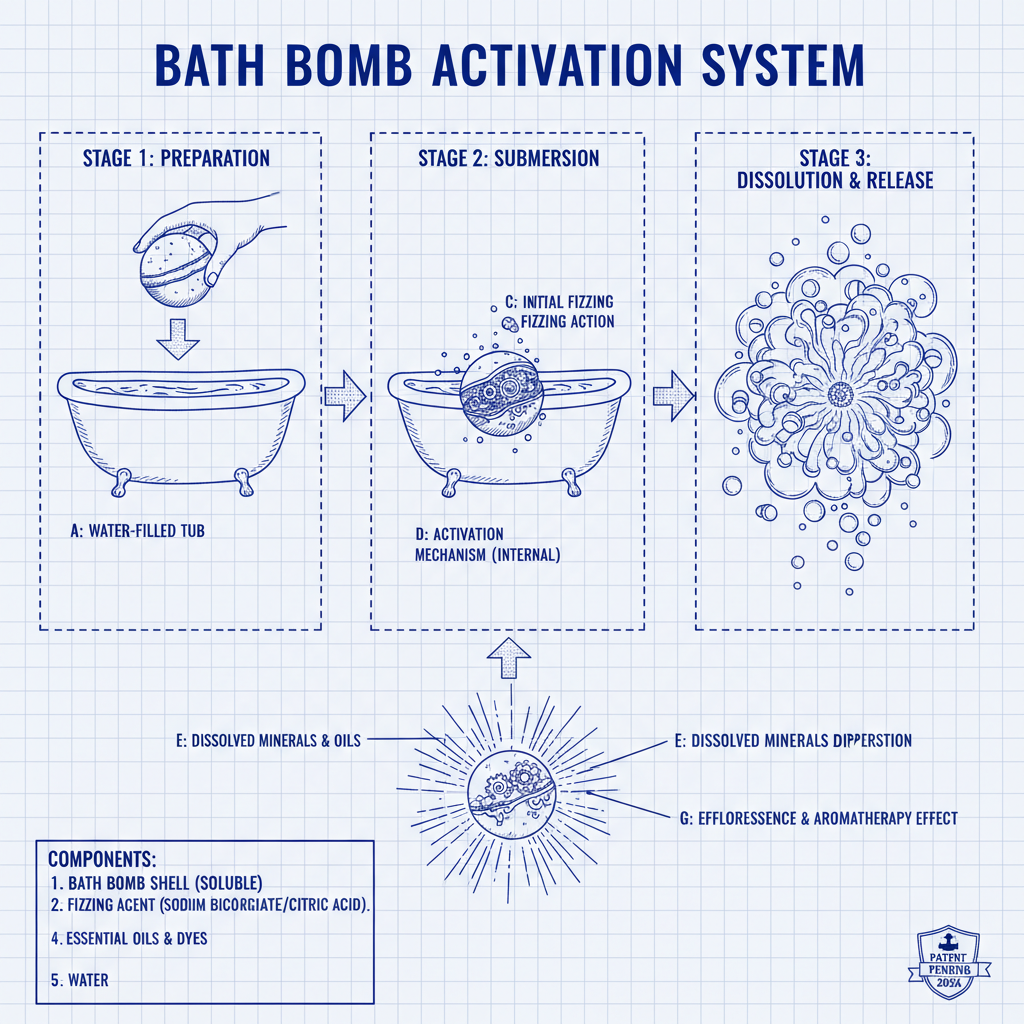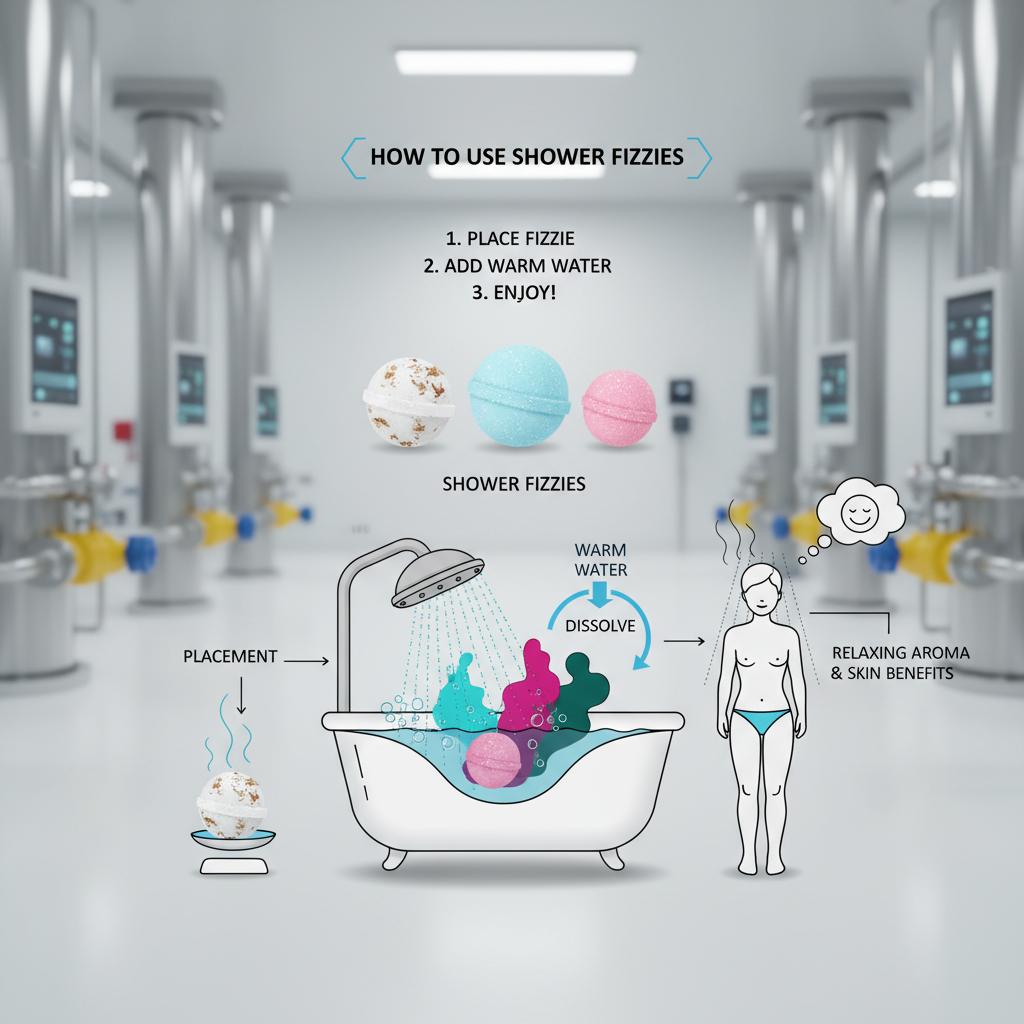


Discover the Role and Ethics of Mica in Bath Bombs for Safe, Sparkling Skin Care
Mica in Bath Bombs: A Sparkling Ingredient with a Global Appeal
If you’ve ever dropped a shimmering bath bomb into your tub and noticed that lovely sheen swirling in the water, chances are you’ve enjoyed mica’s magic. But beyond that pleasing sparkle, mica in bath bombs plays an intriguing role in today’s cosmetic and wellness industries — not just aesthetically but ethically and environmentally. Why should we care? Globally, mica touches on sustainability issues, child labor concerns, and rising consumer demand for safe, high-quality cosmetic ingredients. Understanding mica’s place in bath bombs helps consumers and manufacturers make better choices and promotes transparency across supply chains.
Introduction: The Global Context of Mica in Bath Bombs
The demand for mica, a naturally occurring mineral, has soared thanks to its shimmering effect in cosmetics, especially in bath bombs. Globally, mica mining is a multi-billion-dollar industry, supporting livelihoods in key regions of India, Madagascar, and Brazil. According to United Nations reports, roughly 80% of the world’s mica supply comes from India, with significant concerns around unsafe mining practices and child labor still persistent.
With the skincare industry's growth—estimated to exceed $180 billion in 2025 as per World Bank data—the need for ethically sourced mica becomes critical. Consumers increasingly ask brands about ingredient provenance, pushing manufacturers to innovate how they source and incorporate mica into products like bath bombs.
But what exactly is mica in bath bombs, and why does it hold such sway in this playful self-care treat? Let’s unpack that.
What Is Mica in Bath Bombs?
Mica is a naturally crystalline mineral known for its flaky texture and brilliant shine. When finely ground, it creates a pearlescent effect that bath bomb makers adore for adding a magical sparkle. It can be coated or treated to be body safe and non-toxic, which is essential for wellness products used directly on skin or in water.
In modern cosmetic formulations, mica has become a staple ingredient not just for its visual appeal but for its inert, safe qualities. Unlike synthetic glitter, which often raises environmental red flags, mica is biodegradable, though its extraction processes merit scrutiny. Its connection to humanitarian causes is through ongoing efforts to eradicate hazardous mining practices and promote fair trade mica sourcing.
Core Features of Mica in Bath Bombs
1. Visual Appeal and Shine
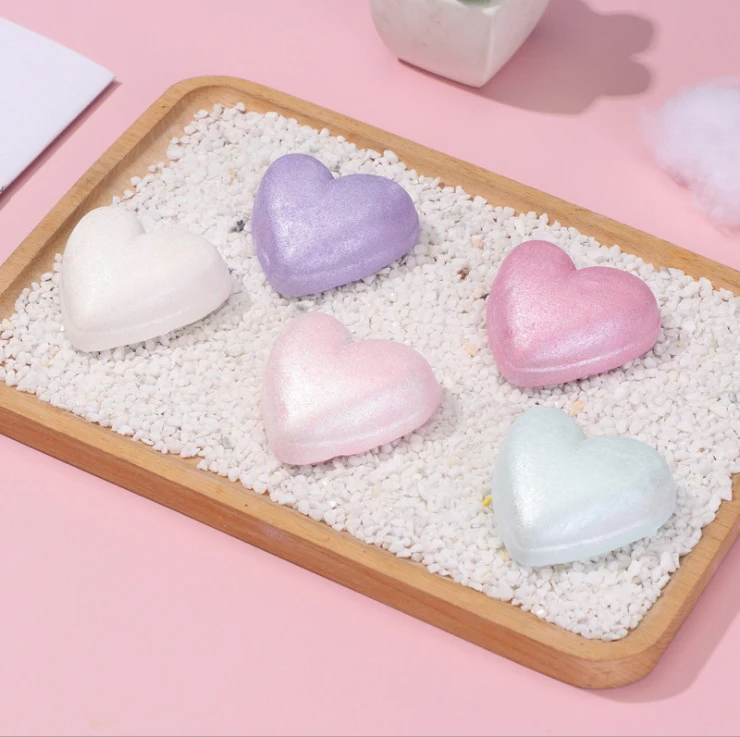
First and foremost, mica provides the unmistakable shimmer that bath bomb lovers seek. It refracts light, creating an iridescent, glowing effect that elevates an ordinary bath into something a bit more magical. This isn’t just aesthetic fluff either—appearance can hugely influence customer satisfaction and repeat buying.
2. Safety and Skin Compatibility
Unlike plastic microbeads or synthetic shimmer, pharmaceutical-grade mica is often hypoallergenic and safe on the skin. That means fewer worries about irritation when the bath bomb dissolves in water, which is comforting for people with sensitive skin or children.
3. Environmental Considerations
While mica itself is biodegradable, mining methods can have environmental and social impacts. Ethical sourcing programs and traceability in supply chains are critical. Some companies have pioneered sustainable mica practices, ensuring minimal disruption to communities and ecosystems.
4. Versatility in Formulations
Mica can be customized by particle size and color coatings, allowing bath bomb creators to fine-tune sparkle intensity and shade. This gives brands a lot of room for creativity, from subtle pearlescence to bold metallic-like finishes.
5. Cost and Availability
Though mica is quite abundant, fair trade and sustainably sourced mica can be pricier, influencing product pricing. Market balance between demand and responsible sourcing is delicate but improving, with specialty suppliers stepping up.
| Specification | Details |
|---|---|
| Particle Size | 10-50 microns (customizable) |
| Color Finish | Irregular shimmer, silver, gold, pearl |
| Purity Grade | Pharmaceutical / Cosmetic Grade |
| Source | India, Madagascar, USA (varies by supplier) |
| Certification | Fair Trade, ISO 9235 (cosmetic raw material) |
Takeaway: Mica is more than glitter in your bath — it’s a sophisticated, customizable ingredient with clear specifications, crucial for quality and consumer trust.
Global Applications and Real-Life Examples
Beyond the humble tub, mica finds use across the cosmetics and personal care sectors worldwide — from luxury bath bombs in upscale western markets to glittery soaps in Southeast Asia. In India, some cooperatives have shifted to mica collection methods that ban child labor and provide safer work environments, echoing the global push for more ethical supply chains.
Brands selling handcrafted bath bombs in Europe often emphasize mica in bath bombs sourced responsibly, appealing to eco-conscious buyers. Interestingly, in markets like Japan, mica contributes to the appearance of skin-like glow, extending beyond bath products to makeup as well.
Oddly enough, in post-disaster relief contexts, while bath bombs aren't a priority, the lessons from mica sourcing — such as transparent supply chains and ethical procurement — inspire broader humanitarian procurement standards.
Advantages and Long-Term Value
- Cost-effectiveness: While premium mica costs a bit more, its impact on brand equity and customer satisfaction can offset price differences.
- Sustainability: Ethical sourcing reduces exploitative mining and environmental degradation.
- Consumer Trust: Transparency around mica often signals brand integrity, building long-term loyalty.
- Safety: Using cosmetic-grade mica reduces allergic or irritation risks versus synthetic glitter.
It’s funny how something so small can carry this much weight. The shimmer is just the surface; the real value is in safe, fair, and beautiful products that customers can feel good about.
Looking Ahead: Innovations and Future Trends
Industry insiders tell me that traceability tech—blockchain, for example—is starting to track mica from mine to product, adding layers of confidence. Moreover, synthetic mica options are emerging, promising similar qualities with zero environmental impact. Digital tools also help brands certify and communicate mica’s ethical story to consumers.
On the regulatory front, the ISO cosmetic raw material standards are evolving to better classify and regulate mica uses, ensuring safety and consistency. Expect more product innovation too—think bath bombs combining mica with bioluminescent algae or other natural shimmer sources.
Challenges and How the Industry Is Responding
Arguably, the greatest challenge remains unethical mining practices—child labor, unsafe conditions, and opaque supply lines. But collaborations between NGOs, government bodies, and industry leaders are tackling this head-on. Fair trade mica certificates and supply chain audits have become common.
Another hurdle? Consistency in mica quality and color—batch variations can be tricky. Suppliers now offer customized blends and better testing protocols to ease this.
| Vendor | Sourcing Region | Sustainability Certifications | Special Features | Price Range |
|---|---|---|---|---|
| ShimmerGlow Minerals | India | Fair Trade, ISO 9001 | Customizable particle sizes | $$$ |
| EcoMica Supplies | Madagascar | Fair Trade, REACH Compliant | Organic mining techniques | $$$$ |
| PureLustre Mica | USA | ISO 17025 Lab Testing Certified | Lab-controlled consistency | $$ |
Frequently Asked Questions About Mica in Bath Bombs
- Is mica safe to use in bath bombs for sensitive skin?
- Pharmaceutical or cosmetic-grade mica used in bath bombs is generally considered safe for sensitive skin. It’s non-toxic and hypoallergenic, but naturally, people with extreme allergies should always test first.
- How can I be sure my bath bomb’s mica is ethically sourced?
- Look for product labels mentioning Fair Trade certifications or brands that openly share supply chain information. Some vendors provide traceability details on mining conditions and workers’ welfare.
- Does mica affect water post-bath? Is it environmentally safe?
- Mica is a natural mineral and biodegradable, so it doesn’t persist harmful microplastics in water. Still, ethical sourcing greatly influences overall environmental impact.
- Can mica coloration be customized in bath bombs?
- Yes. Mica can be coated with different pigments and its particle sizes adjusted to create various shimmering hues, from soft pearly whites to bold metallic tones.
- Is synthetic mica a suitable alternative?
- Synthetic mica reduces reliance on mining and has identical visual properties but can be more expensive. Some bath bomb makers use it to ensure consistency and sustainability.
Wrapping It Up: Why Mica Matters in Bath Bombs
In the end, mica in bath bombs is not only about dreamy sparkle but also about supporting safer, fairer cosmetic industries on a global scale. By choosing products with responsibly sourced mica, consumers join a larger movement promoting ethics alongside indulgence. For those looking to dive deeper into bath bomb ingredient sourcing, mica in bath bombs is a beautiful starting point worth exploring.
Visit our website: https://www.enyubodycare.com to learn more or source ethically minted mica for your own creations.