

Discover the Best Bath Bombs Types for Skin and Wellness | Enyu Body Care
Exploring the World of Bath Bombs Types: Why It Matters More Than You Think
If you’ve ever dropped a fizzy, colorful sphere into your bathtub and watched it dissolve in a swirl of scent and bubbles, you’ve encountered a bath bomb. But did you know there are actually several bath bombs types, each designed for different skin needs, scents, and effects? Understanding this diversity isn’t just about pampering yourself—it connects to broader trends in wellness, sustainability, and even global trade.
Globally, the bath and body care market has soared to nearly $30 billion in 2023 (according to a recent report by Statista), showing how self-care products like bath bombs have become more than mere luxuries—they’re essentials for relaxation and health in stressful urban lives. Choosing the right kind can elevate your bathing ritual, help relieve stress, or even tackle skin issues naturally.
Setting the Scene: Why Bath Bombs Types Matter Globally
The popularity of bath bombs isn't confined to any one country; their rise is part of a broader global wellness trend. According to the International Trade Centre’s latest figures, exports of bath and body products, including bath bombs, have increased by 12% annually worldwide since 2018. This signals not only rising demand but also a diversification in product development.
One major challenge faced by manufacturers is meeting diverse consumer preferences and environmental guidelines. For instance, a type of bath bomb enriched with natural ingredients might appeal to environmentally conscious consumers in Europe, while a vitamin-infused or aromatherapy-focused bomb might be marketed more heavily across North America. Getting the mix right is critical—both for sales and for reducing waste or environmental harm.
What Exactly Are Bath Bombs Types?
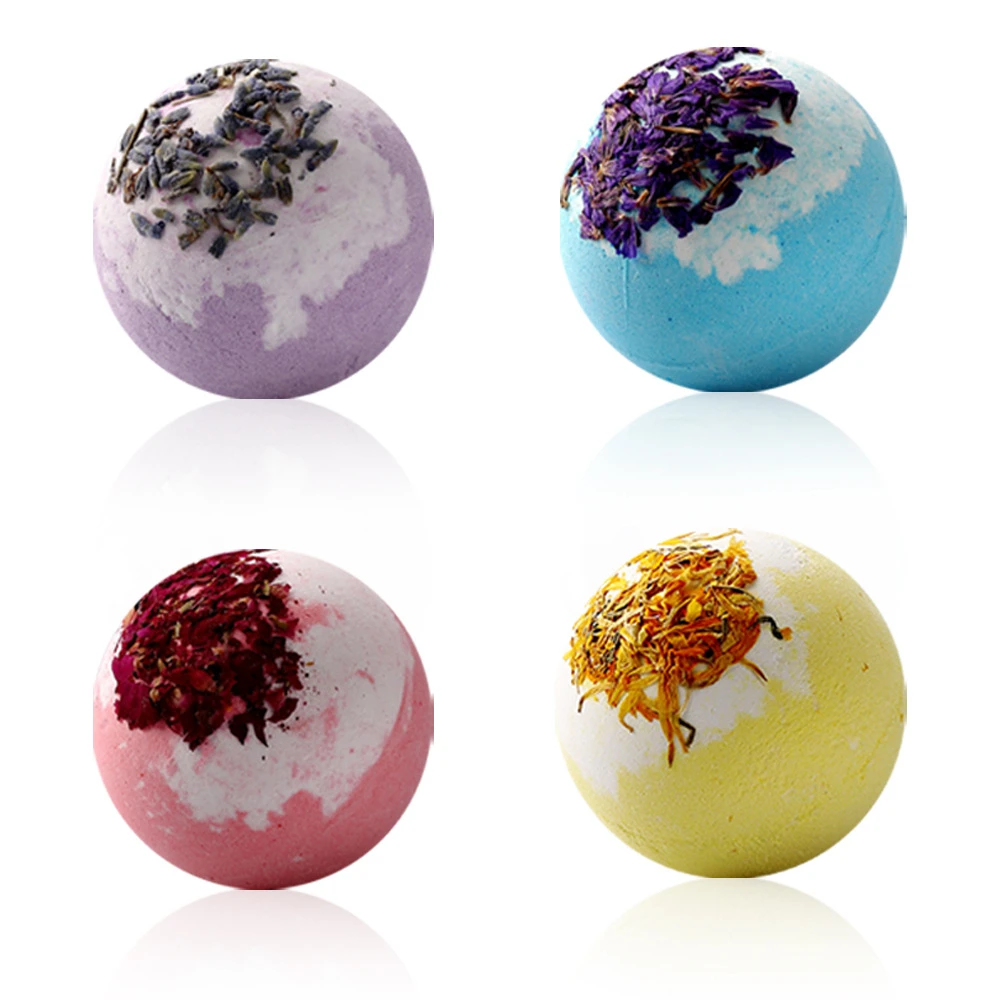
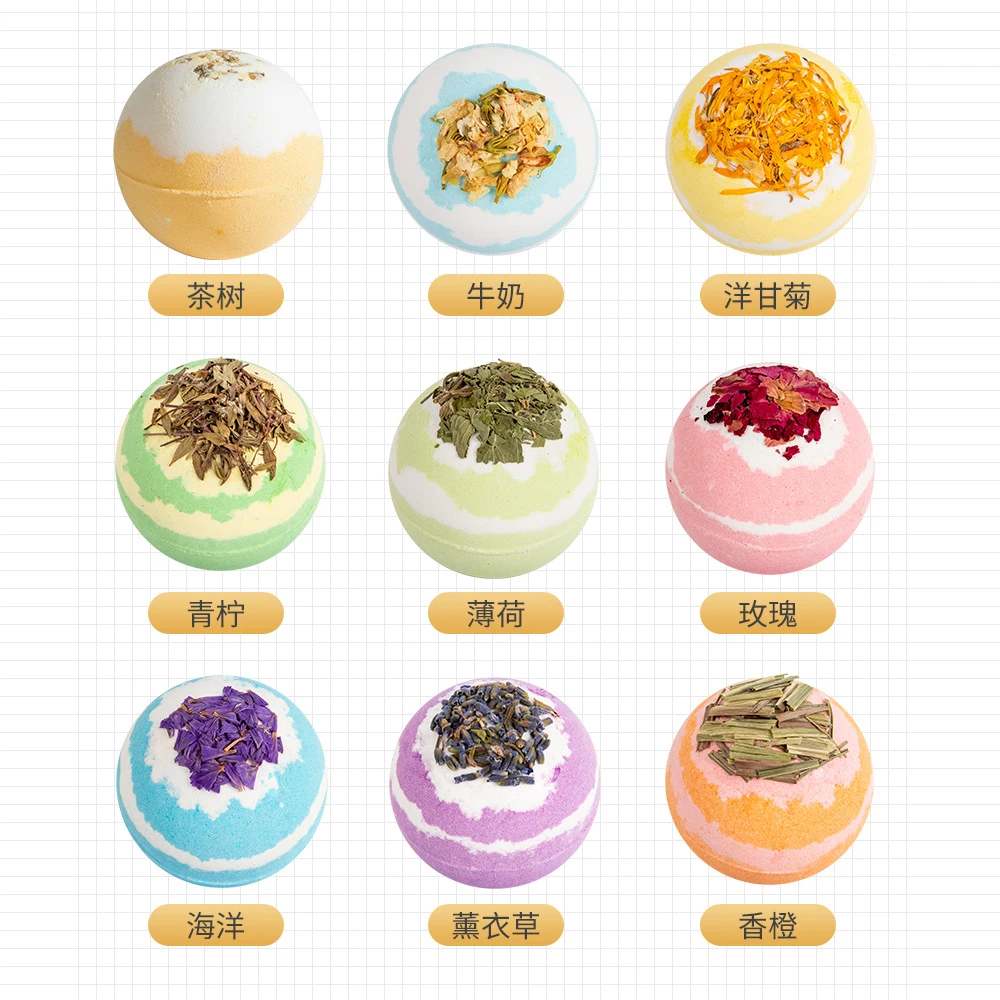
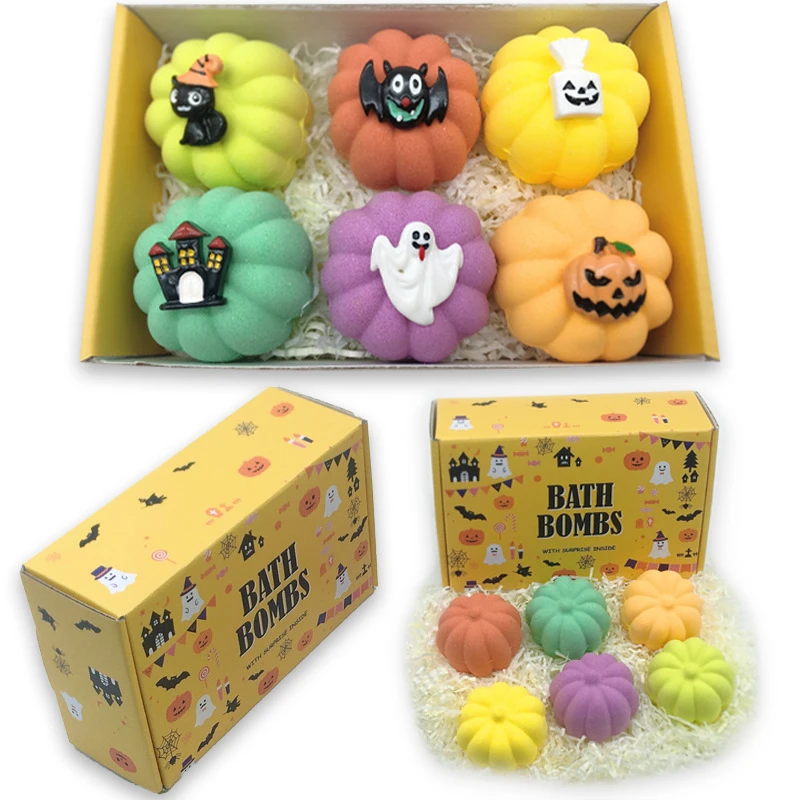
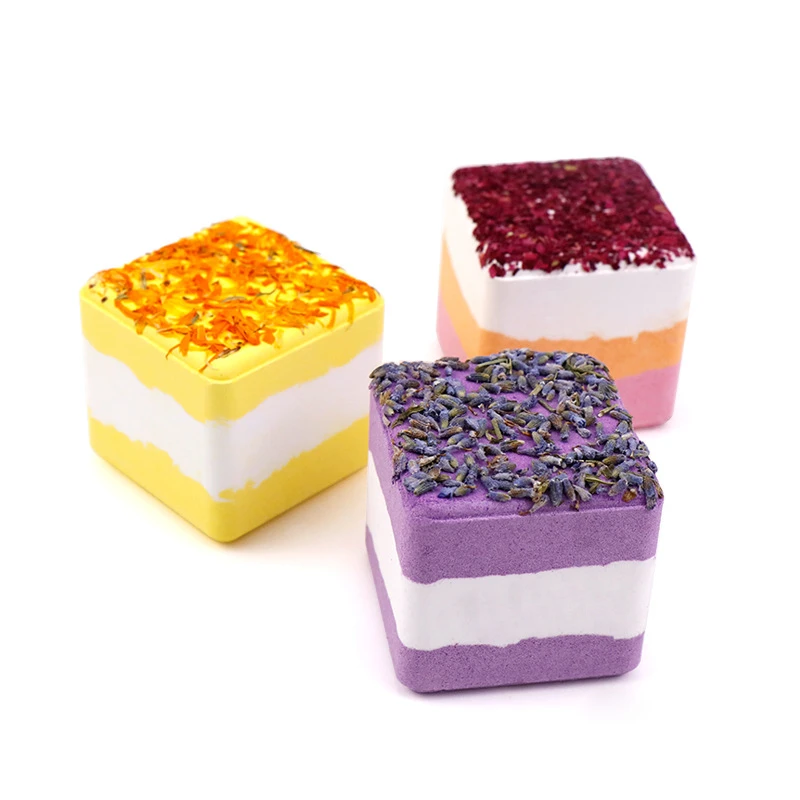
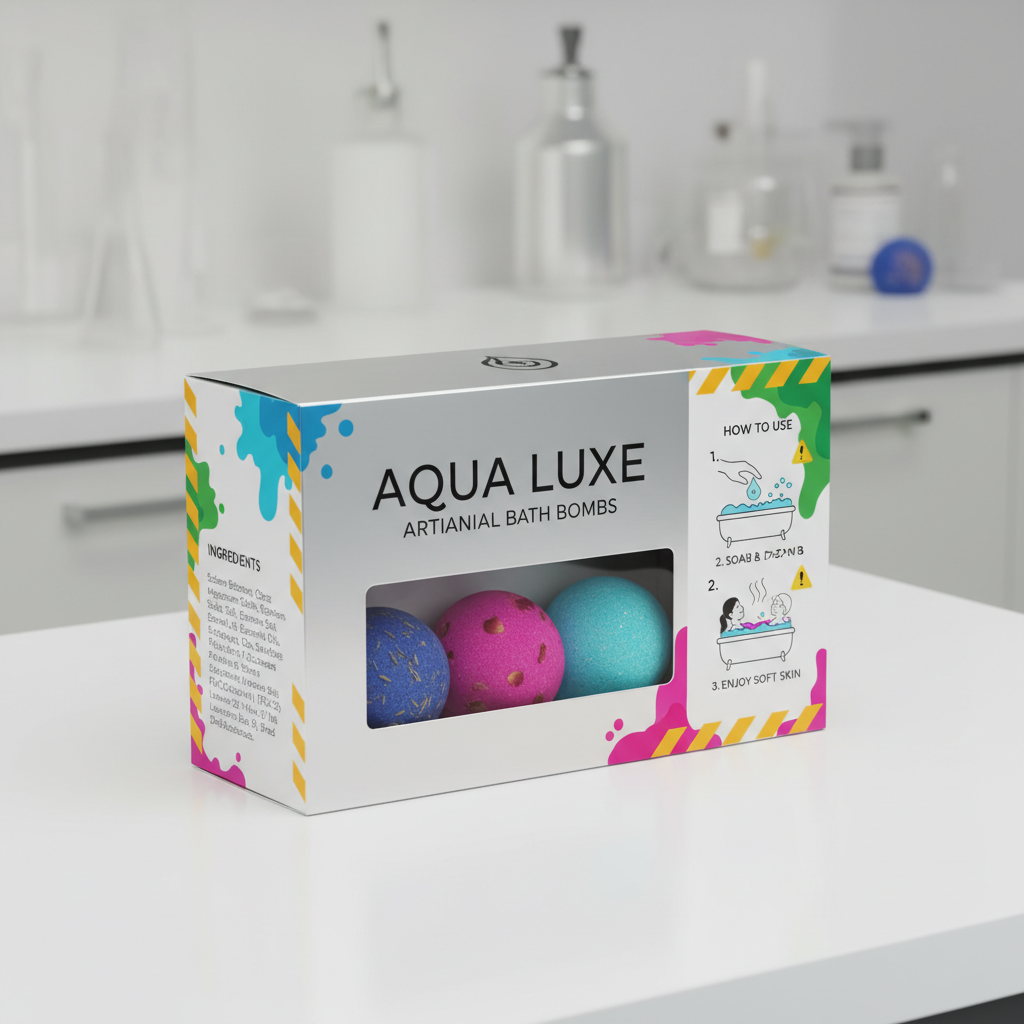
Simply put, bath bombs types refers to the various formulations and forms of bath bombs you can find on the market. This includes differences in ingredients (like essential oils, butters, or salts), shapes (classic spheres, hearts, cubes), and functional additives (colorants, moisturizers, exfoliants). Each type is crafted for a different bathing experience—whether that’s soothing muscle aches, moisturizing dry skin, or lifting your mood with bright citrus aromas.
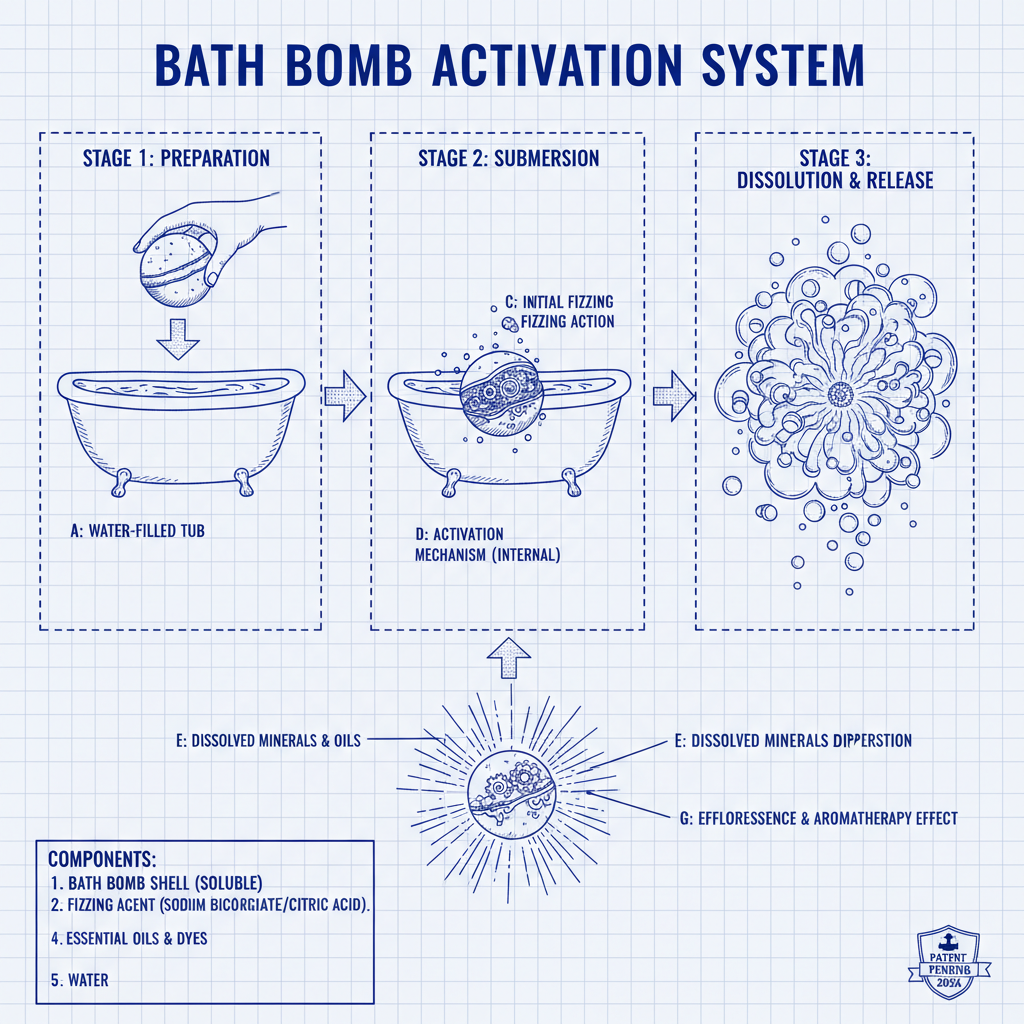
On a technical level, bath bombs rely on a chemical reaction triggered when water hits the dry ingredients, causing fizzing and release of aromas and oils. The recipe variations affect how quickly they dissolve, the intensity of the scent, and skin benefits. So “types” is kind of a catch-all for this diverse spectrum.
Key Components That Define Bath Bombs Types
1. Ingredients & Scent Profiles
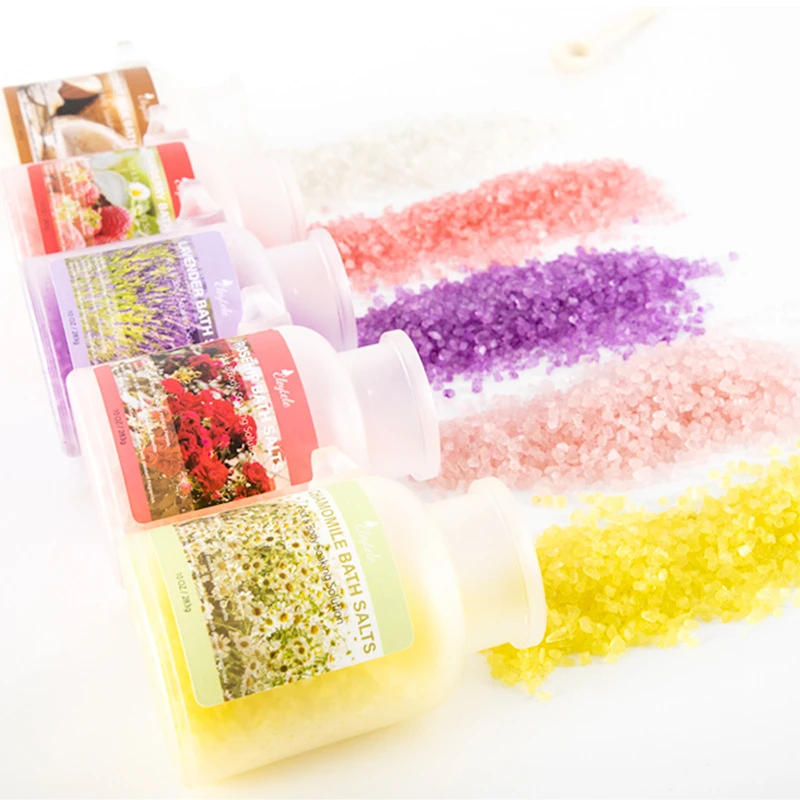
From soothing lavender to invigorating eucalyptus, scent types are a huge factor in how bath bombs are categorized. Natural essential oils often take precedence for premium or organic lines, while synthetic fragrances might be common in budget-friendly types. Plus, ingredients like shea butter or oatmeal add moisturizing or soothing properties.
2. Fizz Duration and Intensity
How long the bath bomb fizzes — sometimes a quick 30 seconds or a luxurious 5 minutes — is influenced by baking soda and citric acid ratios, along with binders like cornstarch. Some people want a fast-dissolving bomb, others favor a slow-release one that fills the tub with bubbles over time.
3. Shape and Size
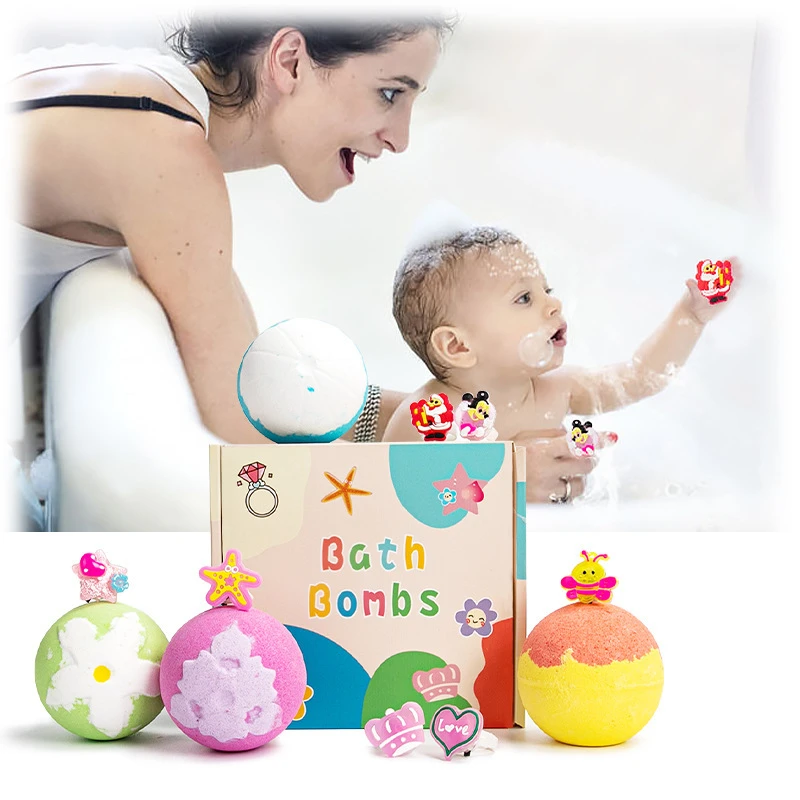
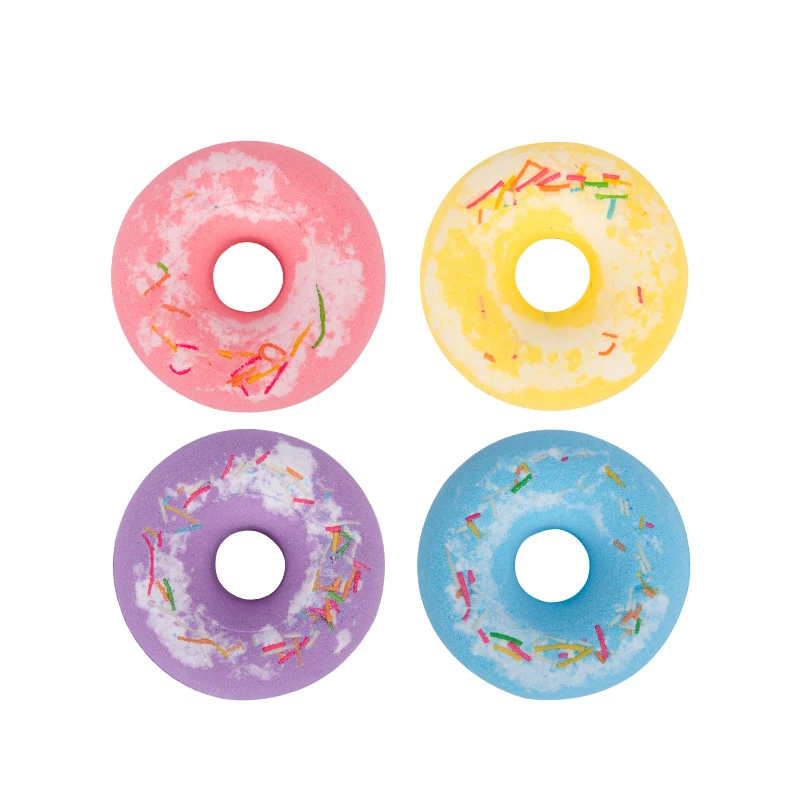
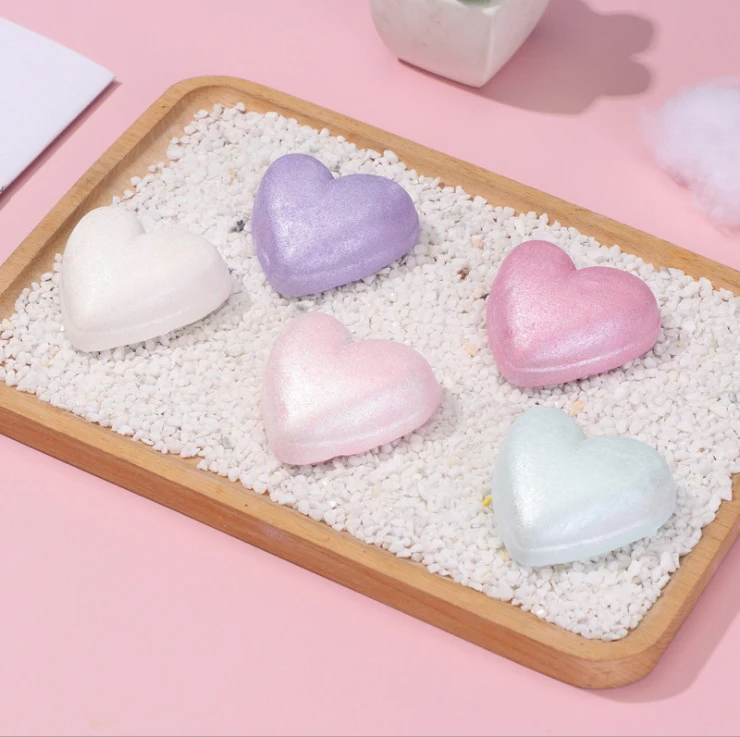
Though classic spheres dominate, innovative shapes like cubes, hearts, or even novelty figures have gained traction. Size ranges from small single-use bombs to mega bombs for larger tubs or longer baths.
4. Skin Benefits
Specialized bath bombs include ingredients aimed at sensitive skin, eczema, or muscle relaxation. For instance, bath bombs with Epsom salts or magnesium target soreness, while those with added moisturizers help dry skin.
5. Environmental Profile
Keen consumers often seek bath bombs that are vegan, cruelty-free, or biodegradable, pushing producers to innovate with eco-friendly packaging and sustainable ingredients.
| Bath Bomb Type | Key Ingredients | Main Benefit | Approx. Fizz Time |
|---|---|---|---|
| Moisturizing | Shea Butter, Coconut Oil | Hydrates dry skin | 3-4 minutes |
| Aromatherapy | Lavender Oil, Eucalyptus | Relaxation & stress relief | 2-3 minutes |
| Exfoliating | Oatmeal, Sea Salt | Skin renewal | 4-5 minutes |
| Sensitive Skin | Chamomile, Aloe Vera | Soothes irritation | 3 minutes |
Where Bath Bombs Types Make a Difference Around the World
If you think bath bombs are only for fancy spas in big cities, think again. Different bath bombs types are inspiring industries worldwide. In Europe, natural and biodegradable bath bombs are favored for their sustainability. Asian markets often blend traditional herbs and oils into bath bombs, combining ancient remedies with modern fizz.
Even in humanitarian areas, bath bombs with skin-soothing ingredients find surprising applications—relieving dry, cracked skin caused by harsh conditions. Interestingly, luxury hotels in Middle Eastern resorts use aromatherapy bath bombs to craft personalized guest experiences, blending regional scents like frankincense and myrrh.
The Advantages & Lasting Value of Knowing Bath Bombs Types
- Cost Efficiency: Choosing the right type prevents waste—why buy a moisturizing type if you want relaxation?
- Sustainability: Biodegradable and vegan types reduce environmental impact.
- Social Impact: Ethical sourcing of ingredients supports communities and fair trade.
- Personal Wellness: Tailored ingredients target diverse skin needs and emotional wellbeing.
On the emotional side, there’s something comforting about picking a bath bomb that fits your exact mood or skin condition—trusting its ingredients and knowing it’s responsibly made builds a connection beyond mere function.
Future Trends & Innovations in Bath Bombs Types
The future here is exciting. We’re seeing innovations like bath bombs with embedded microcapsules that release essential oils gradually, or entirely water-soluble formulas minimizing residue. Digital customization—where you select scents, shapes, and effects online for bespoke bombs—is also trending.
Sustainability remains a trending theme. New materials for packaging and greener ingredient sourcing (think seaweed extracts or upcycled food waste) will define the next wave of bath bombs types.
Challenges & Smart Solutions
Challenges include shelf life, ingredient stability, and consumer allergen awareness. Interestingly, some bath bombs lose fizz faster over time, which disappoint customers. Brands are responding by improving formulations or offering airtight packaging. Meanwhile, regulations on cosmetics ingredients are tightening worldwide, requiring more transparency.
Smart companies are overcoming these hurdles via innovation and education—showing consumers exactly how to store their products and what each ingredient does, turning questions into trust.
| Vendor | Specialty | Price Range (USD) | Eco-Friendly Options | Customization Available |
|---|---|---|---|---|
| FizzAura | Natural Essential Oils | $5 – $15 | Yes | No |
| Bomb Bliss | Vegan, Cruelty-Free | $8 – $20 | Yes | Yes |
| EcoFizz Co. | Biodegradable Packaging | $7 – $18 | Yes | Limited |
FAQ: Your Burning Questions About Bath Bombs Types
- Q: What makes scented bath bombs different from unscented ones?
- A: Scented bath bombs include fragrances or essential oils to enhance relaxation and mood, while unscented types are ideal for sensitive skin or fragrance allergies. The chemistry remains similar, but the sensory effect varies quite a bit.
- Q: Can bath bombs help with skin conditions like eczema?
- Yes, some bath bombs are specifically formulated with soothing ingredients like oat extracts or aloe to calm irritated skin. However, it’s important to choose hypoallergenic and fragrance-free types to avoid further irritation.
- Q: How long does a typical bath bomb last during use?
- Most bath bombs fizz for 2 to 5 minutes, depending on the formula and size. Some slow-fizzing types provide a prolonged aromatic experience, while smaller ones dissolve quickly for convenience.
- Q: Are all bath bombs eco-friendly?
- No, but the trend is moving towards biodegradable ingredients and sustainable packaging. Look for certified vegan or cruelty-free labels if eco-friendliness is a priority.
- Q: How can I customize my own bath bomb type?
- Some vendors offer online customization where you select scent, additives, and shape. This helps tailor the bath bomb to your preferences, though it can be pricier than standard types.
Wrapping It Up: Why Understanding Bath Bombs Types Is Worth Your Time
So, why bother with bath bombs types beyond just picking a pretty fizz ball? Frankly, knowing the difference lets you get the best bang for your buck, ensures your skin thanks you later, and supports greener, more ethical consumption. As these little self-care gems evolve, they reflect wider trends toward wellness, personalization, and sustainability—trends that are reshaping how we care for ourselves globally.
Ready to dive deeper? Visit our website at https://www.enyubodycare.com and explore the full range of bath bombs types tailored just for you.
1. Statista, Global Bath & Body Care Market Report, 2023
2. International Trade Centre, Cosmetics Export Statistics, 2022
3. Wikipedia contributors, “Bath Bomb,” Wikipedia, The Free Encyclopedia