

Comprehensive Guide to Bath Salt Ball: Benefits, Global Uses, and Trends
Understanding the Bath Salt Ball: Benefits & Global Relevance
At first glance, the term bath salt ball may sound like a simple spa luxury or a quirky product name. But in reality, it’s a surprisingly versatile item with growing significance in wellness, manufacturing, and even humanitarian sectors. Worldwide, as people seek more natural, sustainable ways to enhance physical and mental well-being, bath salt balls have emerged as a small but mighty innovation worth exploring.
From soothing sore muscles after long days to supporting eco-friendly lifestyle choices, understanding this product’s role leads to surprising insights about supply chain trends, user experience, and environmental impact.
Global Context: Why Bath Salt Balls Matter Today
Globally, the wellness industry is booming — predicted to exceed $7 trillion by 2025, according to the Global Wellness Institute. Meanwhile, millions of tons of mineral salts are harvested and processed worldwide, often under strict ISO standards (like ISO 9001 for quality management). Bath salts, wrapped into compact, convenient balls, represent a handy form factor favored by consumers and eco-conscious producers alike.
However, challenges persist. Salt extraction can be environmentally taxing, and improper packaging leads to waste. The bath salt ball addresses these issues by combining sustainability with convenience — reducing bulk packaging, improving longevity, and enhancing user experience.
What Exactly is a Bath Salt Ball?
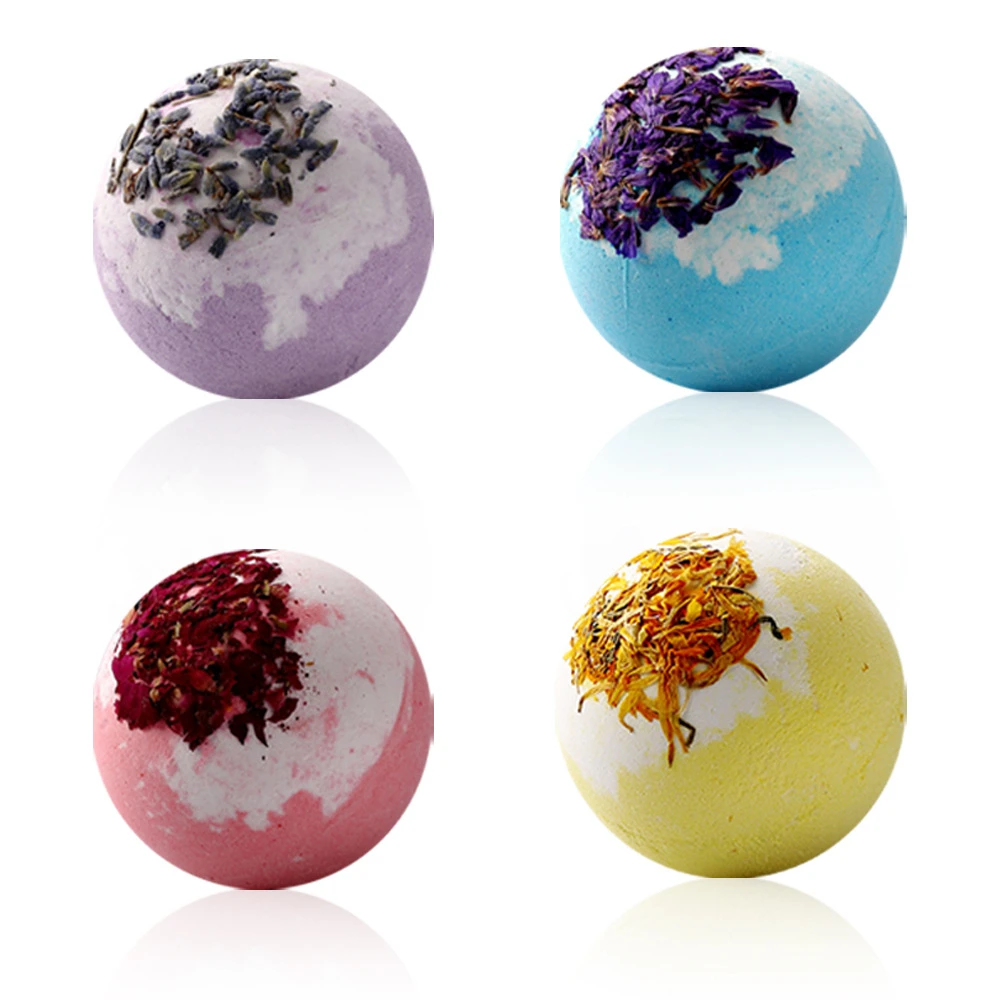
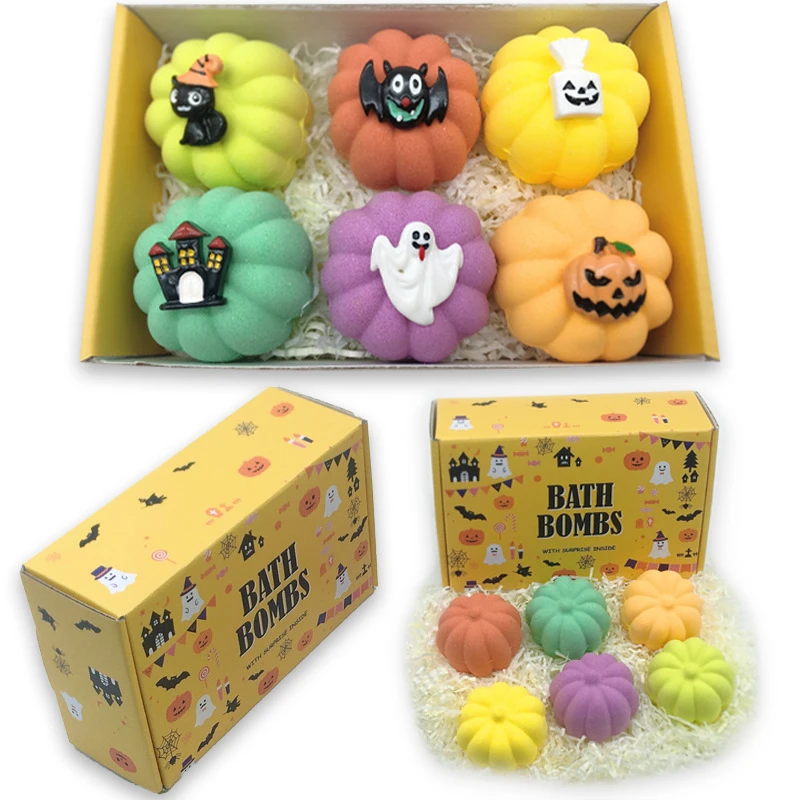
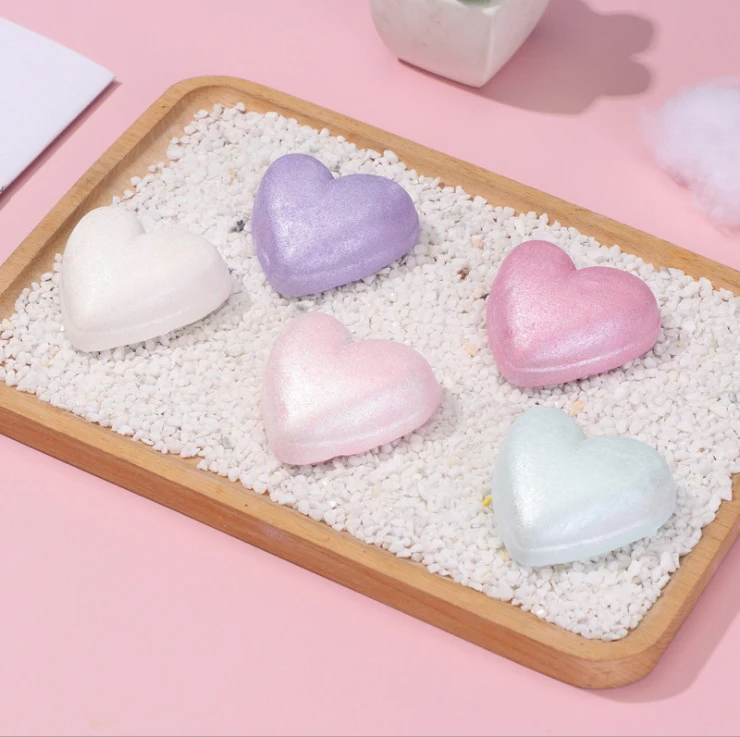
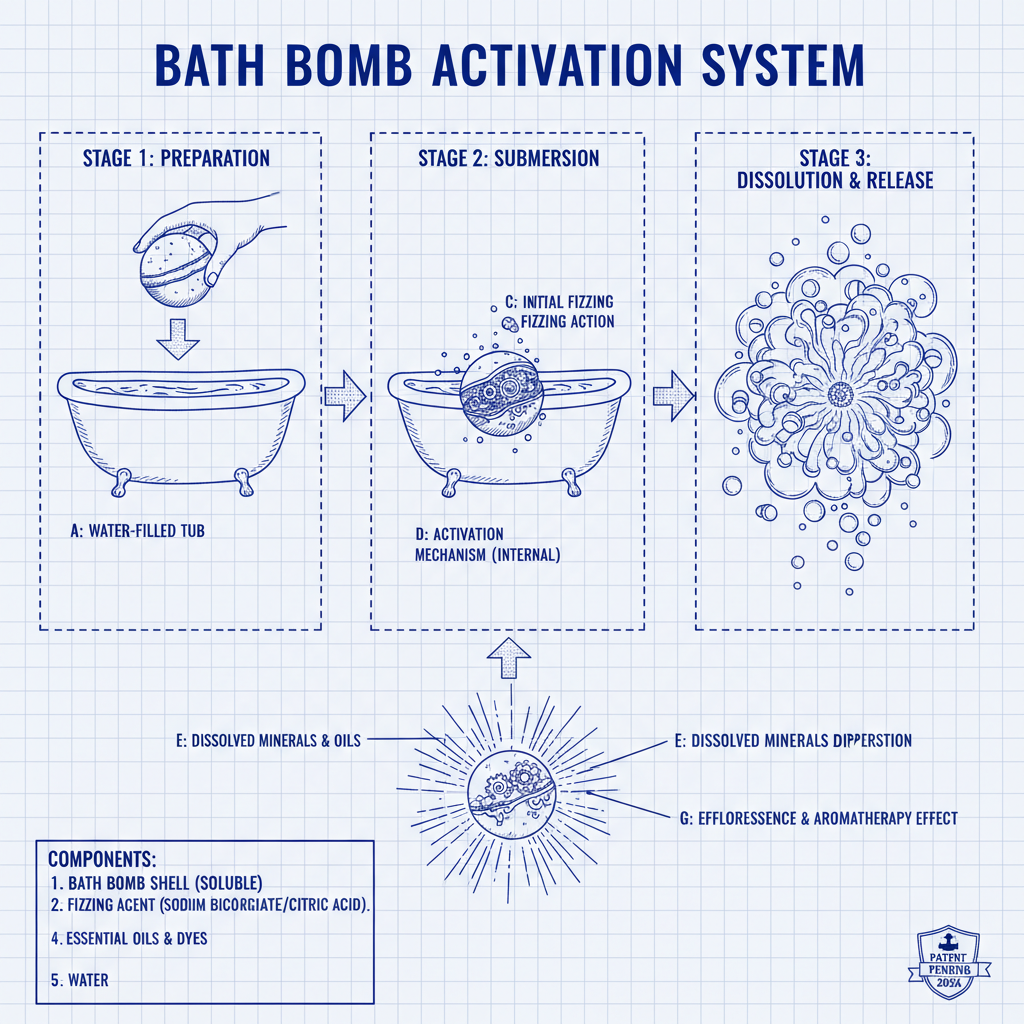
Simply put, a bath salt ball is a compact, typically spherical collection of mineral salts, often blended with essential oils, herbs, and moisturizing agents. Designed to dissolve gradually in warm water, it helps soften skin, relieve muscle tension, and promote relaxation.
More than a wellness product, bath salt balls are connected to modern lifestyle trends emphasizing natural remedies and sustainability. They fit neatly in spa settings, retail shelves, and personal care routines worldwide.
Core Components of Bath Salt Balls
1. Mineral Content
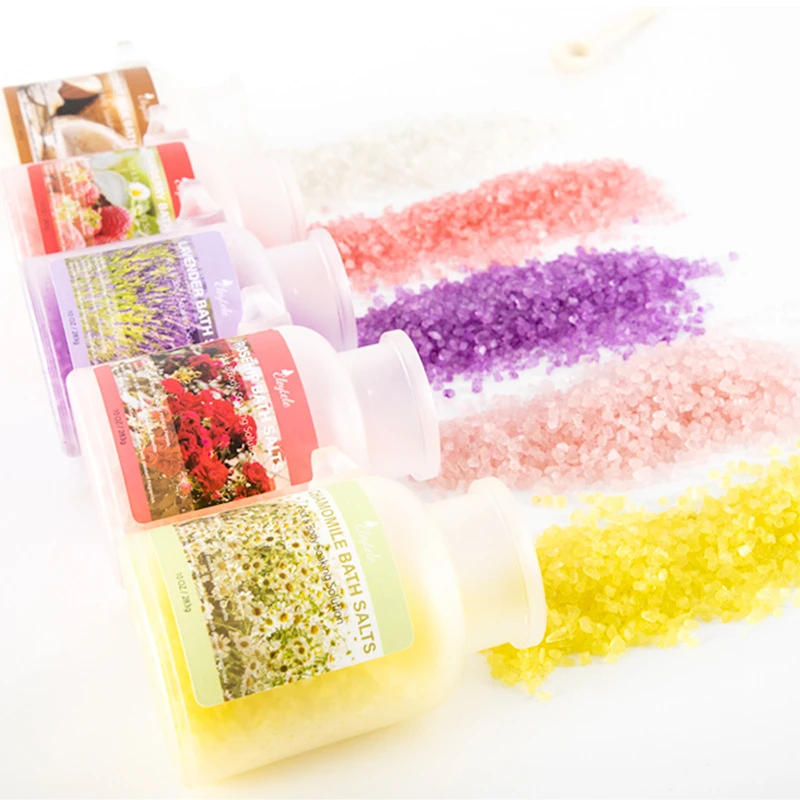
The heart of any bath salt ball is its mineral base — generally magnesium sulfate (Epsom salts), sea salt, or Himalayan pink salt. These minerals provide the therapeutic benefits, from muscle relaxation to skin exfoliation.
2. Binding Agents
To maintain shape and slow dissolution, manufacturers mix natural binding agents like starch, clay, or plant cellulose. This ensures the ball holds together but still dissolves effectively in the bath.
3. Essential Oils and Botanicals
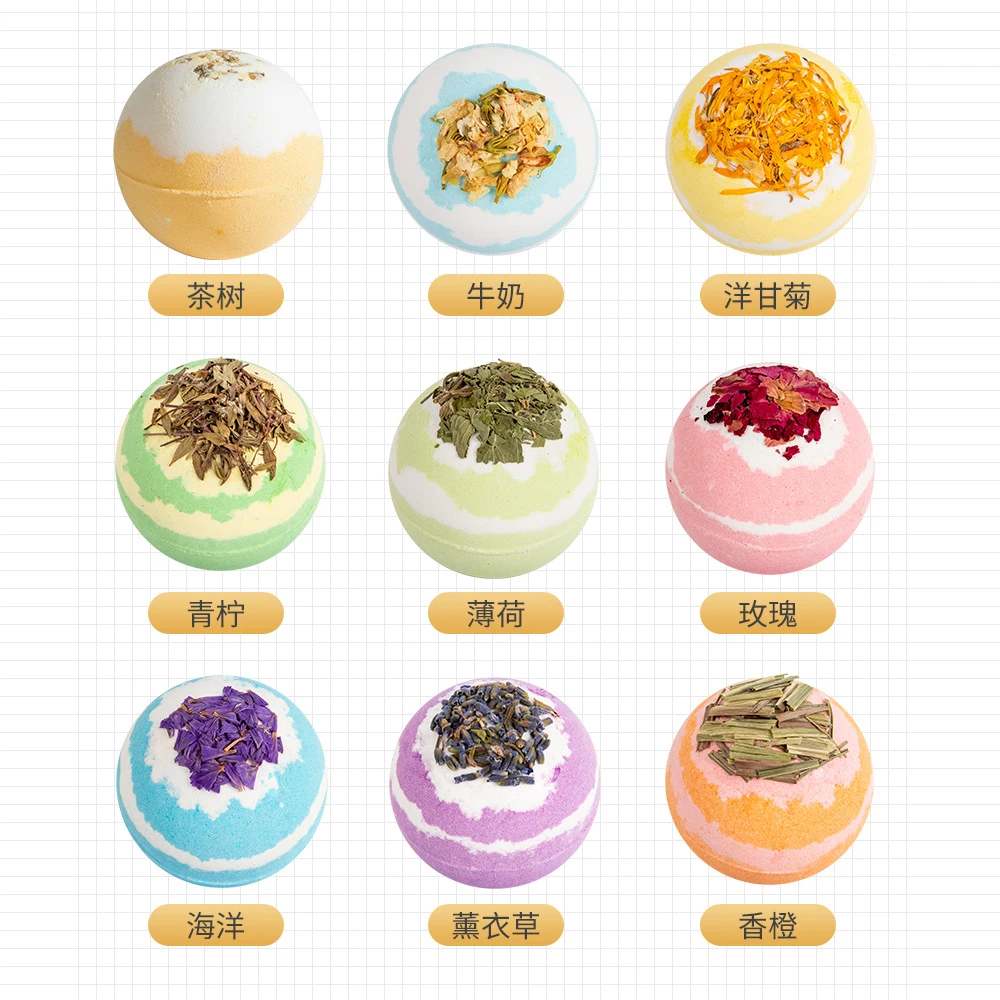
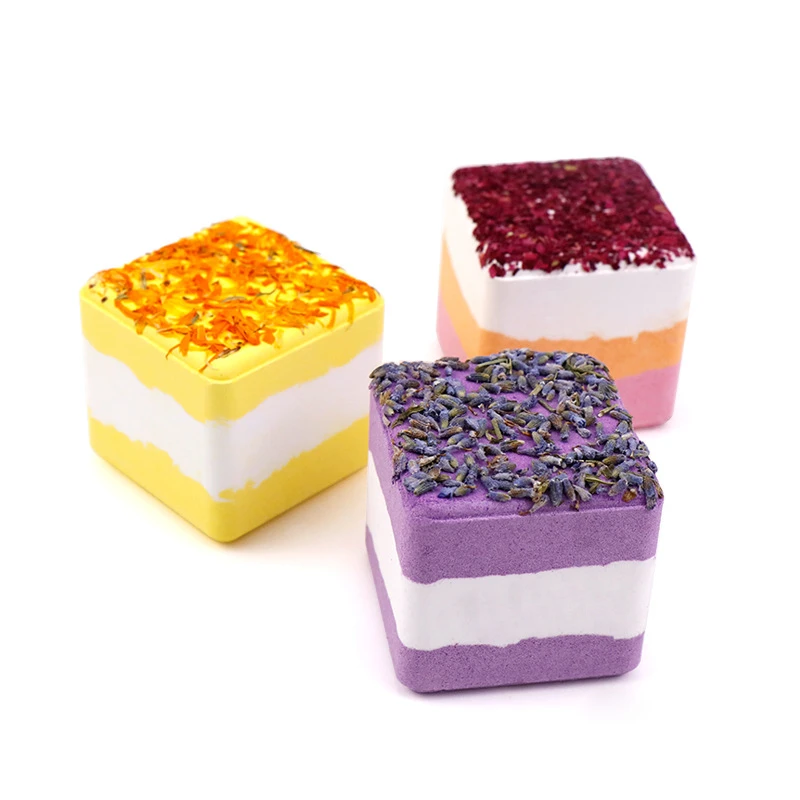
For fragrance and additional skin benefits, essential oils (lavender, eucalyptus, or citrus) and dried herbs can be incorporated, enhancing the sensory experience.
4. Packaging & Eco-Conscious Design
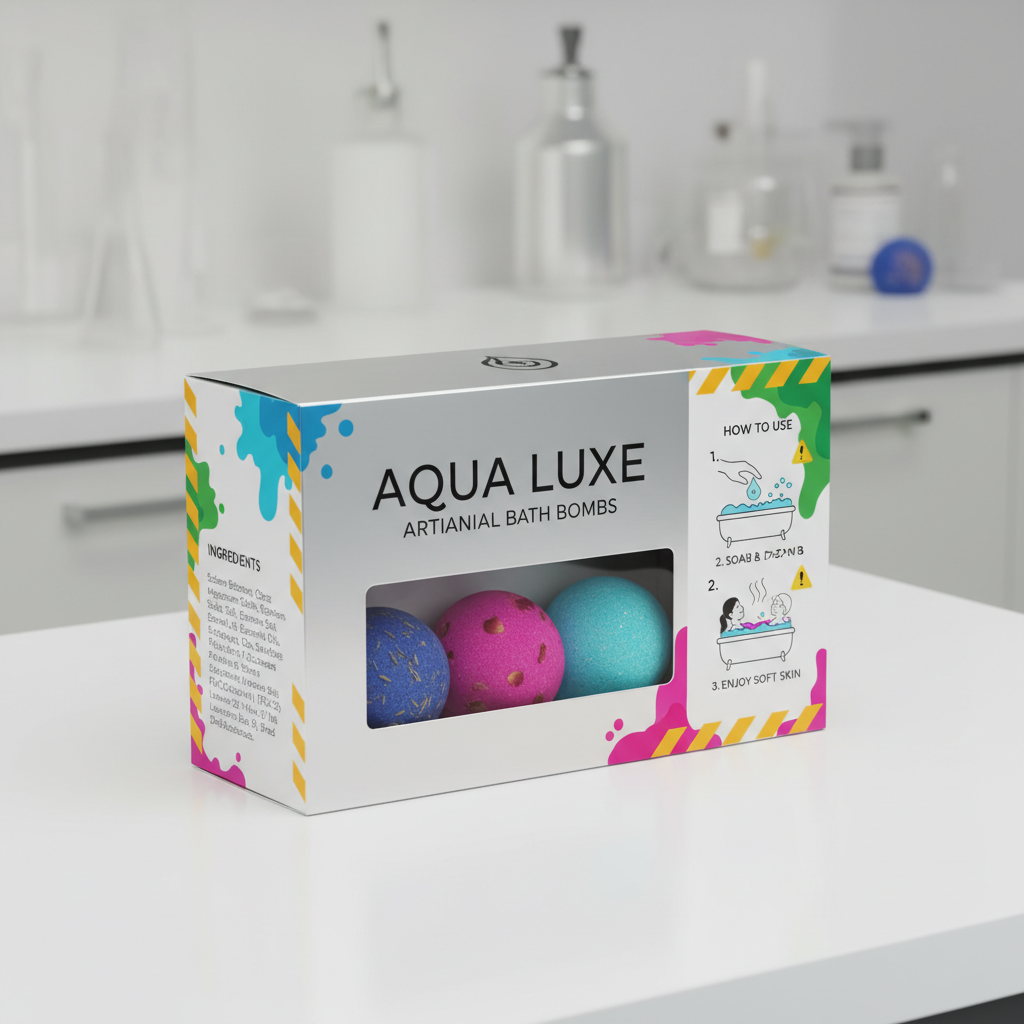
Many bath salt balls come in minimal or biodegradable packaging that aligns with growing consumer demand for sustainability.
Product Specifications: Typical Bath Salt Ball Attributes
| Attribute | Specification | Notes |
|---|---|---|
| Diameter | 60–70 mm | Standard size for easy handling |
| Composition | Epsom salts, binder, essential oils | Varies by manufacturer |
| Dissolution Time | 5–15 minutes | Depends on water temperature |
| Packaging | Biodegradable film or recyclable box | Eco-friendly options preferred |
Global Applications and Real-World Use Cases
Bath salt balls are popular across many regions—Europe, North America, and Asia have particularly vibrant markets. In Japan, for example, they form a staple of the onsens (hot springs) culture adapted for home use. Nordic countries embrace them in winter for skin nourishment and relief from cold-related tension.
In the wellness industry, spas integrate bath salt balls into treatments focused on detoxification and aromatherapy. Oddly enough, humanitarian organizations have also explored salt balls as part of hygiene kits where water resources are limited, since dissolvable salts can aid in cleansing safely.
For everyday users, they’re practical: a single bath salt ball combines the benefits of bulk salts and multi-ingredient bath bombs but with less mess and waste.
Vendor Comparison: Popular Bath Salt Ball Brands
| Brand | Ingredients | Packaging | Price Range | Sustainability |
|---|---|---|---|---|
| SaltSense | Epsom, lavender oil | Biodegradable pouch | $5–$7 per ball | Organic-certified |
| Ocean Bliss | Sea salts, eucalyptus | Recyclable box | $8–$10 | Partial biodegradable |
| PureCrystals | Himalayan pink salt, citrus oils | Minimal plastic wrap | $6–$9 | Working to improve packaging |
Advantages & Long-Term Value of Bath Salt Balls
Why bother with a bath salt ball instead of traditional loose salts? Frankly, it’s about convenience, control, and sustainability. A measured ball ensures consistent dosing and less mess, helping users avoid waste or skin irritation from overdosing minerals.
Environmentally, reduced packaging and targeted formulations mean less landfill impact. For the user, the ritual itself—dropping a bath salt ball into warm water—promotes mindful self-care, emotional wellbeing, and relaxation. It’s a small luxury with tangible benefits. In real terms, many customers say it brings a spa-quality experience home without fuss or waste.
Future Trends & Innovations in Bath Salt Balls
Looking ahead, innovation is heating up. Brands are experimenting with:
- Bio-based binders to enhance biodegradability
- Smart packaging that tracks usage or freshness
- Incorporation of CBD and adaptogenic botanicals for holistic wellness
- Zero-waste subscription models supporting refill stations
These trends align well with global sustainability goals, such as the UN’s Sustainable Development Goal 12 on responsible consumption and production.
Challenges & Expert Solutions
Despite growth, bath salt balls face challenges. Production with consistent dissolution rates can be tricky — too dense and the ball won’t dissolve fully, too loose and it crumbles early. Quality essential oils add cost, and scaling sustainable packaging remains a hurdle.
Experts recommend rigorous quality controls, partnering with eco-conscious suppliers, and user education as keys to overcoming these issues. Some innovators even use 3D printing for precision shaping — this kind of tech may soon be more accessible.
FAQ: Frequently Asked Questions About Bath Salt Balls
- What makes bath salt balls different from regular bath salts?
- Bath salt balls are pre-measured, compact, and often enriched with oils or botanicals. They dissolve slowly, offering a controlled and luxurious bathing experience compared to loose salts, which require measuring and can be messy.
- Are bath salt balls safe for sensitive skin?
- Generally, yes — especially those using natural, hypoallergenic ingredients. However, people with extreme skin conditions should test a small amount first or consult a dermatologist.
- How should I store bath salt balls to maintain freshness?
- Store them in a cool, dry place, ideally in airtight or biodegradable packaging to avoid moisture degradation. Avoid exposing them to direct sunlight or humidity.
- Can I customize bath salt balls for personal preferences?
- Yes, many artisanal brands allow customization of scent and mineral blends. Some manufacturers also provide DIY kits for home crafting.
- Where can I buy quality bath salt balls?
- They are widely available online and in health stores. For trusted selections, visit bath salt ball suppliers, who prioritize quality and sustainability.
Conclusion
The humble bath salt ball packs a surprisingly broad punch in wellness, sustainability, and usability. Its multiple benefits—from easing body aches to reducing packaging waste—make it a noteworthy product for mindful consumers and industry professionals alike. If you haven’t yet tried one or considered their role in lifestyle and wellness, it’s definitely time to dive in.
For a deeper look and quality options, be sure to visit our site: https://www.enyubodycare.com.
A simple product, but a complex story. Bath salt balls remind us that sometimes, small innovations ripple far beyond their size.