

Comprehensive Guide to Bath Bomb Stained Tubs: Causes, Care, and Solutions
Understanding and Managing Bath Bomb Stained Tubs: A Practical Guide
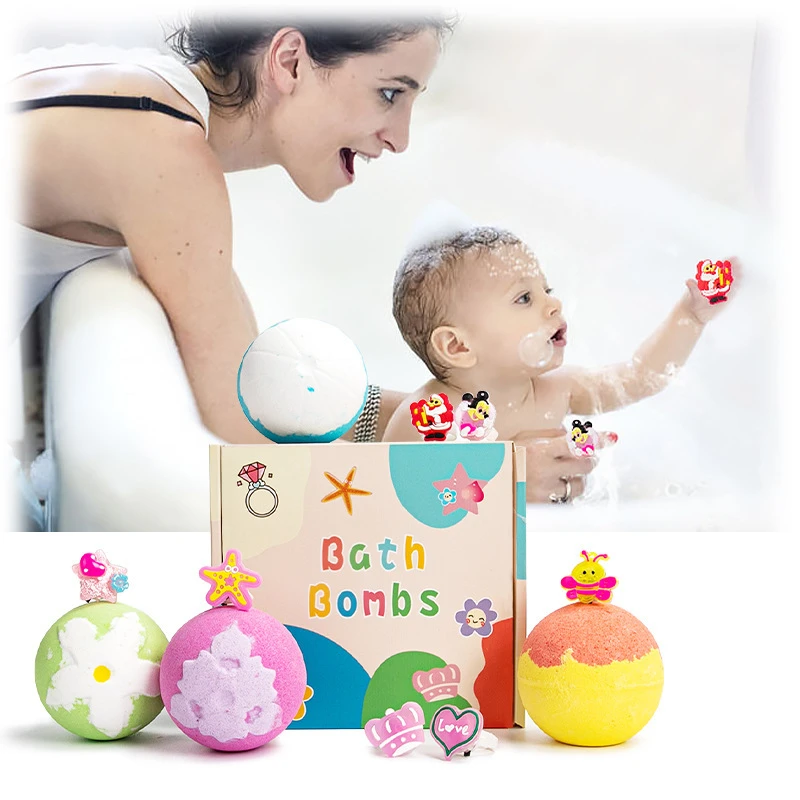
If you’ve ever enjoyed a relaxing soak with a fragrant bath bomb, you might be familiar with the colorful aftermath — sometimes, your bathtub ends up with persistent stains. While it might seem like a minor inconvenience to some, the phenomenon of bath bomb stained tubs actually has broader implications. From the cosmetics industry to home cleaning products, understanding why these stains occur and how to tackle them is increasingly relevant worldwide. Frankly, the stains pose a subtle but common challenge for households, hotels, and spa facilities alike.
Global Relevance and Context
Across the globe, bath bombs have soared in popularity, buoyed by trends in wellness and homemade personal care products. According to a 2021 report by Allied Market Research, the global bath and shower products market is projected to grow significantly over the next decade — signaling more frequent bath bomb usage.[1] This boom literally means more tubs stained and frustrated users looking for solutions. Oddly enough, despite their simple chemistry, bath bomb stains can become stubborn due to pigments, oils, and mica powders interacting with tub surfaces — which vary globally in material and finish quality.
Hotels and spas, in particular, face upkeep challenges, as stained tubs diminish the guest experience and increase cleaning costs. This concern links directly to broader issues in the cleaning product industry, sustainability efforts, and consumer education.
What Exactly is a Bath Bomb Stained Tub?
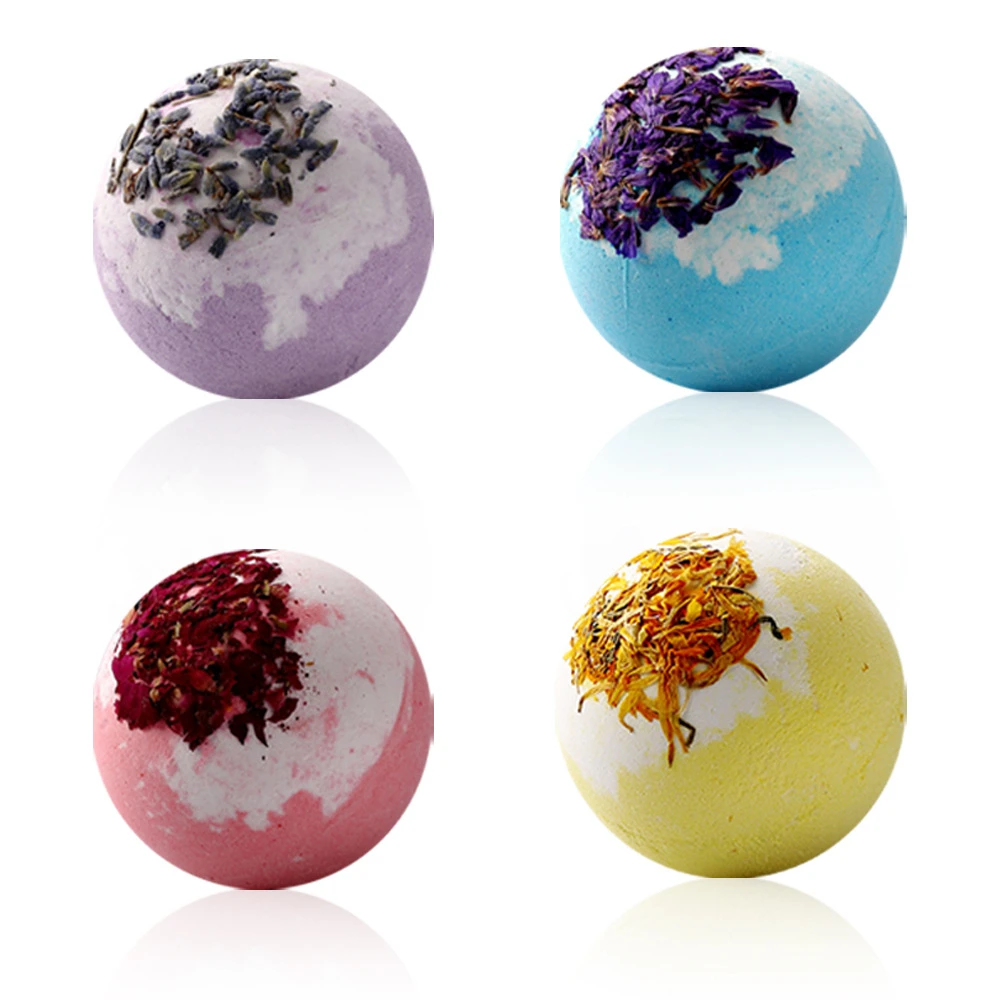
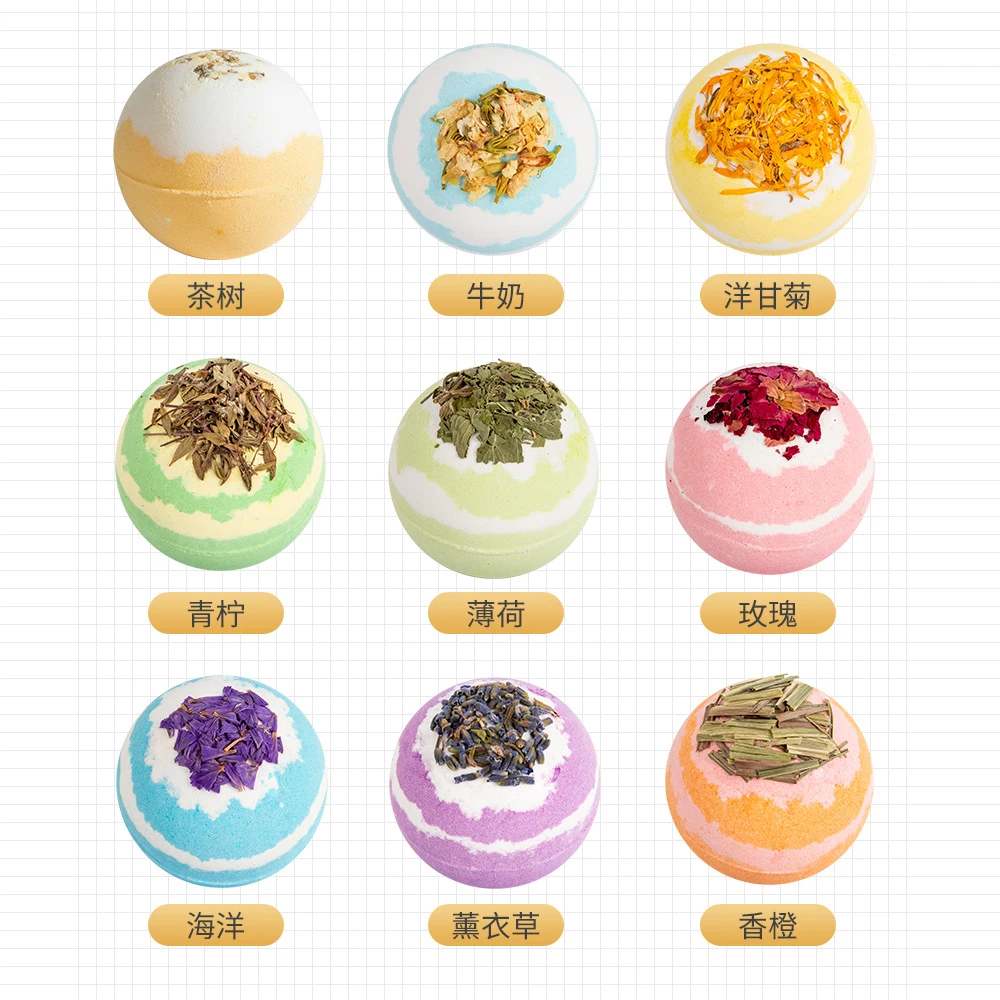
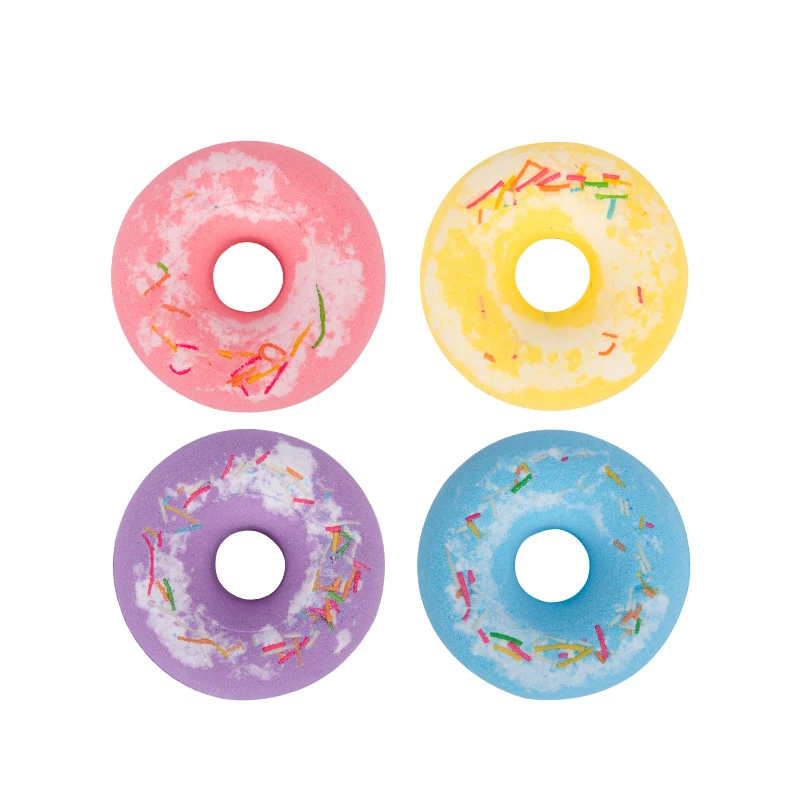
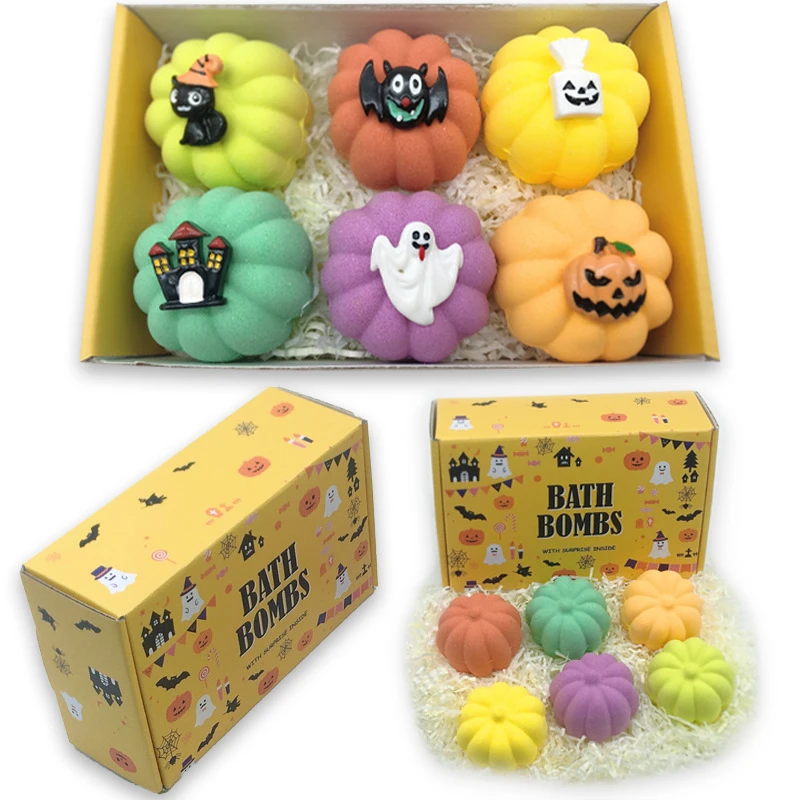
A bath bomb stained tub refers to discoloration or residue left on the bathtub surface following the use of bath bombs. These cosmetic goodies dissolve in water, releasing colors, fragrances, and skin conditioners, but some ingredients — especially synthetic dyes or glitter particles — can cling stubbornly to surfaces. The stain’s persistence depends on tub material (acrylic, porcelain, enamel-coated steel), water chemistry, and cleaning frequency.
So, in real terms, the “bath bomb stained tub” is both a cosmetic and practical dilemma. On one hand, it reflects consumer habits and chemicals now common in household products; on the other, it underscores the ongoing need for better cleaning methods and stain-resistant tub materials.
Key Factors Contributing to Bath Bomb Stains
1. Pigments and Dyes
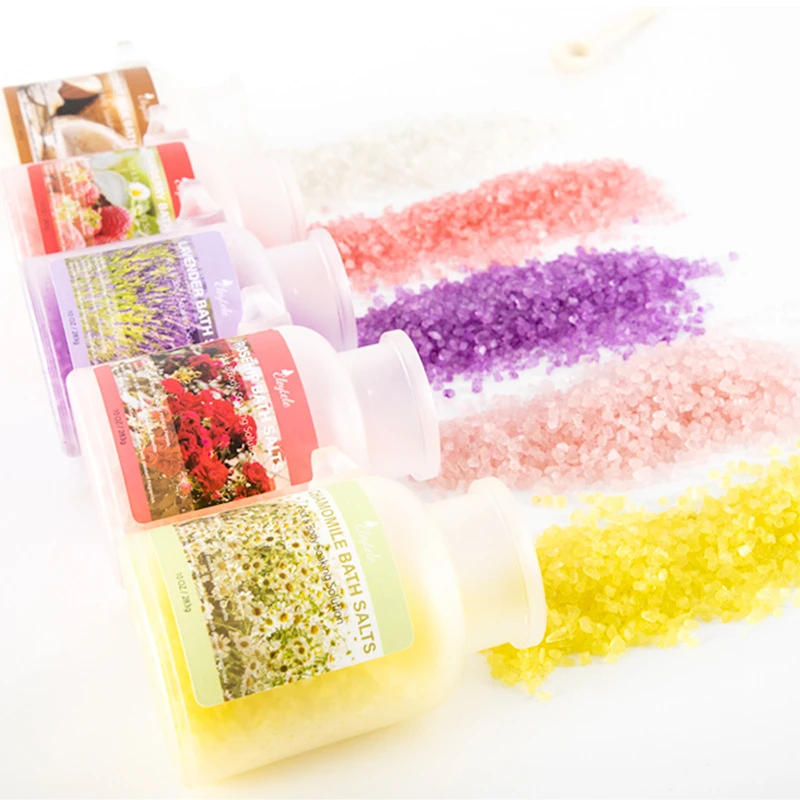
Many bath bombs use vibrant dyes to create eye-catching colors. These pigments, especially if synthetic, may bind to tub surfaces, particularly porous acrylic or older porcelain.
2. Oils and Butters
Ingredients like coconut oil or shea butter nourish the skin but can leave slippery, sticky residues that trap pigments and make stains tougher to remove.
3. Powdered Additives
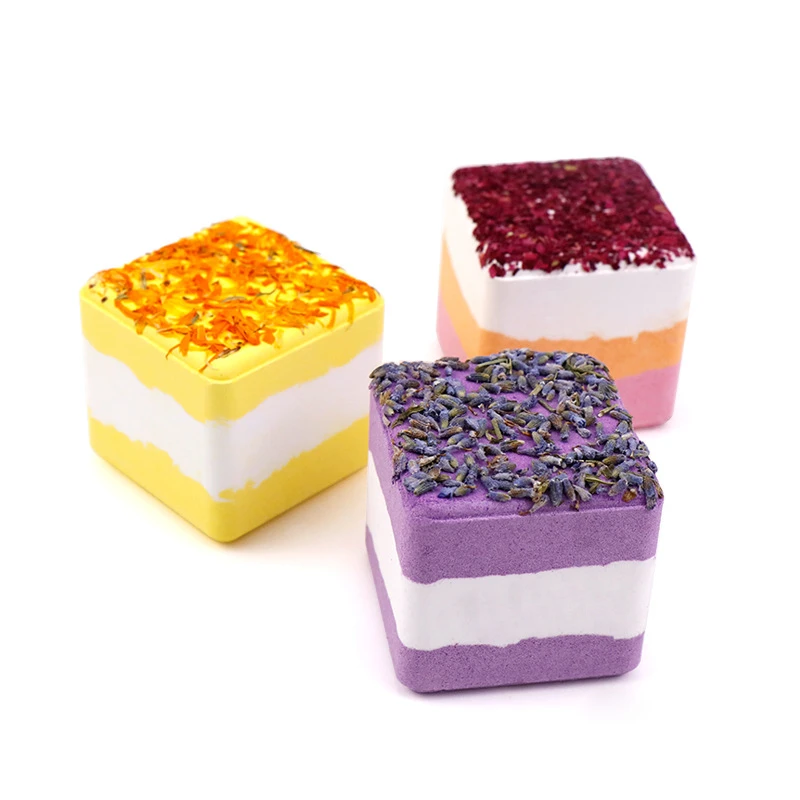
Mica and glitter particles add sparkle but often adhere physically to tub surfaces, requiring scrubbing or chemical cleaners.
4. Surface Material and Finish
Tub material plays a huge role. For example, matte finishes tend to stain more than high-gloss surfaces, which may resist pigments but can reveal residue.
5. Water Chemistry
Hard water, rich in minerals, combines with bath bomb ingredients in unpredictable ways, sometimes creating more stubborn stains.
| Ingredient | Staining Potential | Removal Difficulty |
|---|---|---|
| Synthetic Dyes | High | Medium to High |
| Natural Colorants (e.g., turmeric) | Medium | Medium |
| Oils/Butters | Low to Medium | High (slippery residue) |
| Glitter (plastic/mica) | Medium | High (physical residue) |
Mini takeaway: Knowing what ingredients cause stains helps in selecting less staining bath bombs and appropriate cleaning tactics.
Global Applications and Use Cases
It may sound niche, but the management of bath bomb stained tubs has diverse stakeholders globally. Here are a few notable scenarios:
- Hospitality industry: Hotels offering bath bomb amenities wrestle with maintaining pristine tubs cost-effectively.
- Consumer product makers: Cosmetic companies must innovate formulas that minimize staining without sacrificing vibe and color.
- Spa and wellness centers: These venues often balance using vivid bath products for marketing with avoiding expensive cleaning downtime.
- Households worldwide: From California to Scandinavia, customers seek DIY or store-bought solutions for bath bomb stains.
For example, some Scandinavian spas have switched to organic, dye-free bath bombs and invested in tub surface coatings that repel colorants. Meanwhile, eco-conscious brands in Japan focus on natural ingredients that minimize staining potential while delivering aromatic appeal.
Advantages and Long-Term Value of Understanding These Stains
It might seem trivial, but mastering the art and science behind bath bomb stained tubs offers tangible benefits:
- Cost savings: Reduced need for harsh chemicals and deep cleaning prolongs tub lifespan.
- Sustainability: Choosing bath bombs with natural pigments lessens environmental impact and water pollution.
- Customer satisfaction: For hotels/spas, spotless tubs uphold brand trust and repeat business.
- Innovation: Cosmetic companies can develop safer, more skin-friendly, and low-stain products.
- Home wellness: Clean tubs enhance mental and physical relaxation — you know, it’s about trust and safety.
Market Comparison: Popular Bath Bomb Types and Their Stain Profiles
| Brand | Main Ingredients | Stain Risk | Price Range (USD) |
|---|---|---|---|
| Lush | Synthetic dyes, essential oils | Medium | $7 – $15 |
| Homemade Organic | Natural colorants, butters | Low | $3 – $8 |
| Da Bomb | Synthetic glitter, dyes | High | $5 – $12 |
Future Trends & Innovations Related to Bath Bomb Staining
With environmental concerns growing, many cosmetic formulators are exploring natural pigments derived from plants and minerals that stain less, or not at all. Automation in quality control means examining stain potential before launch. On the cleaning front, advances in non-toxic enzymatic tub cleaners promise to break down oils and residues without harsh scrubbing or chemical damage.
Green chemistry is gaining traction, aiming to create safe, sustainable bath products that harmonize with tub materials. Oddly enough, there’s even interest in coatings that repel both oils and pigments, so that tubs remain spotless regardless of usage.
Challenges and Solutions
Despite progress, challenges remain. Many bath bombs’ appealing visuals rely heavily on synthetic dyes and glitter, which stubbornly stain. Homeowners and businesses often resort to abrasive cleaners that can dull tub finishes over time. Plus, not all tub materials react the same way — a one-size-fits-all solution is elusive.
Experts suggest a multipronged approach:
- Choose low-stain or natural ingredient bath bombs.
- Rinse tubs promptly after use to prevent pigment settling.
- Use pH-balanced, enzymatic cleaners tailored to tub material.
- Consider tub resurfacing or protective coatings when possible.
FAQ: Frequently Asked Questions About Bath Bomb Stained Tubs
- How can I prevent bath bomb stains on my acrylic tub?
- Rinse the tub immediately after use to wash away pigments and oils before they dry or settle. Using bath bombs with natural dyes also reduces risk. Avoid bath bombs containing heavy glitter or synthetic dyes.
- What’s the safest way to clean stubborn bath bomb stains?
- Use mild enzymatic cleaners recommended for your tub type. Avoid abrasive scrubbers which can damage surfaces. A paste of baking soda and water can help loosen stains gently.
- Are “natural” bath bombs always stain-free?
- Not necessarily. Some natural colorants like turmeric can stain, but often less severely than synthetic dyes. It depends on concentration and rinsing practices.
- Can commercial spas prevent bath bomb stains permanently?
- While permanent prevention is challenging, spas can minimize stains using protective tub coatings and selecting low-staining bath bomb formulas alongside strict cleaning routines.
- Is there a market for stain-resistant bath tubs?
- Yes, manufacturers are developing tubs with special sealants or nanotech coatings that resist pigment adhesion. However, these are often more expensive and less common at the consumer level yet.
Conclusion
To sum it all up, the issue of bath bomb stained tubs touches on consumer habits, product chemistry, and maintenance practices worldwide. Understanding the factors behind staining and adopting practical solutions can save money, preserve tub surfaces, and maintain aesthetic appeal. With increasing demand for wellness and self-care products, stakeholders from homeowners to industry pros must stay savvy about bath bomb stains — and solutions.
If you’re ready to learn more about caring for your tub or want expert advice on minimizing stains, why not explore specialist resources or check out bath bomb stained tub tips and products? Because your tub deserves the best care—after all, it’s where you unwind.
Mini takeaway: When it comes to bath bomb stains, knowledge truly is power. Prevention, prompt cleaning, and ingredient awareness can keep your tub gleaming. It’s a small but rewarding detail in the ritual of self-care.