

Comprehensive Guide to Bath Bomb Color Powder: Safety, Trends & Top Suppliers
Understanding Bath Bomb Color Powder: What It Is and Why It Matters
At first glance, bath bomb color powder might seem like just a flashy ingredient to give your tub a magical look. But when you dig a bit deeper, it turns out there's a lot going on in this colorful powder that impacts cosmetic manufacturing, consumer health, and even environmental trends worldwide. With the bath and body industry booming globally—expected to reach over $150 billion in the next few years—understanding the role of bath bomb color powder is more than just a niche curiosity. It helps manufacturers create safer, more vibrant products that customers adore, while meeting the pressing demands for sustainability and regulatory compliance.
Mini takeaway: Bath bomb color powder is far from superficial; it’s a key player shaping trends in personal care worldwide.
Why Bath Bomb Color Powder Holds Global Significance
Globally, the cosmetic and personal care industry has been growing steadily, and bath products form a vital segment with ever-increasing consumer demand. According to the International Organization for Standardization (ISO), color additives are subject to rigorous global standards to ensure product safety and efficacy. Plus, with heightened consumer awareness about natural and safe ingredients, the kind of color powder used in bath bombs is both a technical and marketing challenge.
In emerging markets and established ones alike, bath bomb color powders must be sourced sustainably and formulated to avoid skin irritation—problems manufacturers often wrestle with. The rise of DIY trends and customization means powder quality, vibrancy, and solubility can no longer be afterthoughts. Frankly, it’s a fascinating crossroads of chemistry, marketing, and consumer trust.
Mini takeaway: Bath bomb color powder isn’t just about looking pretty; it’s an intersection of global safety standards, consumer preferences, and industry innovation.
Defining Bath Bomb Color Powder: A Simple Explanation
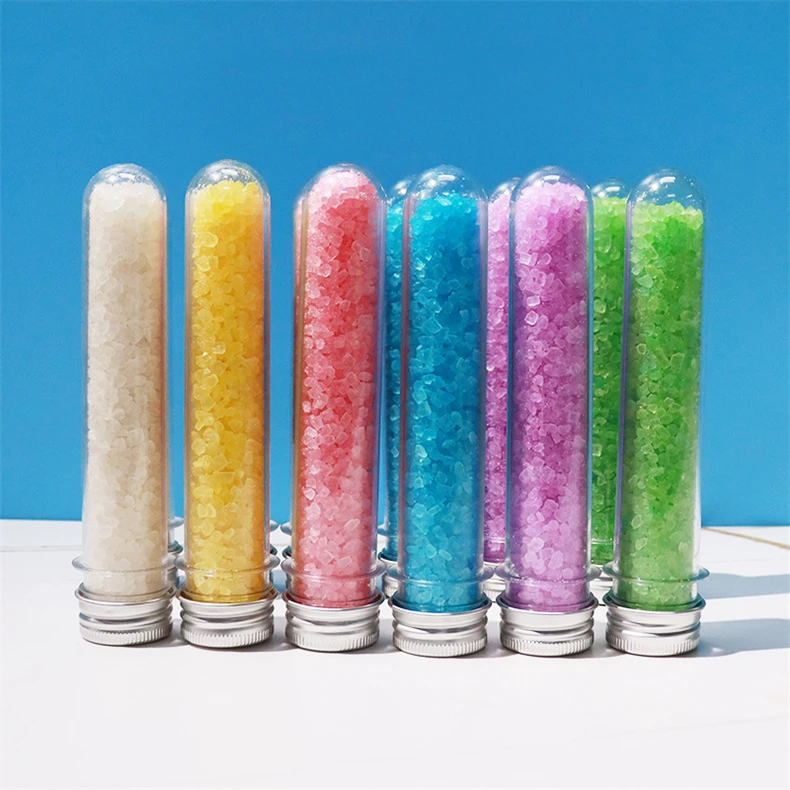
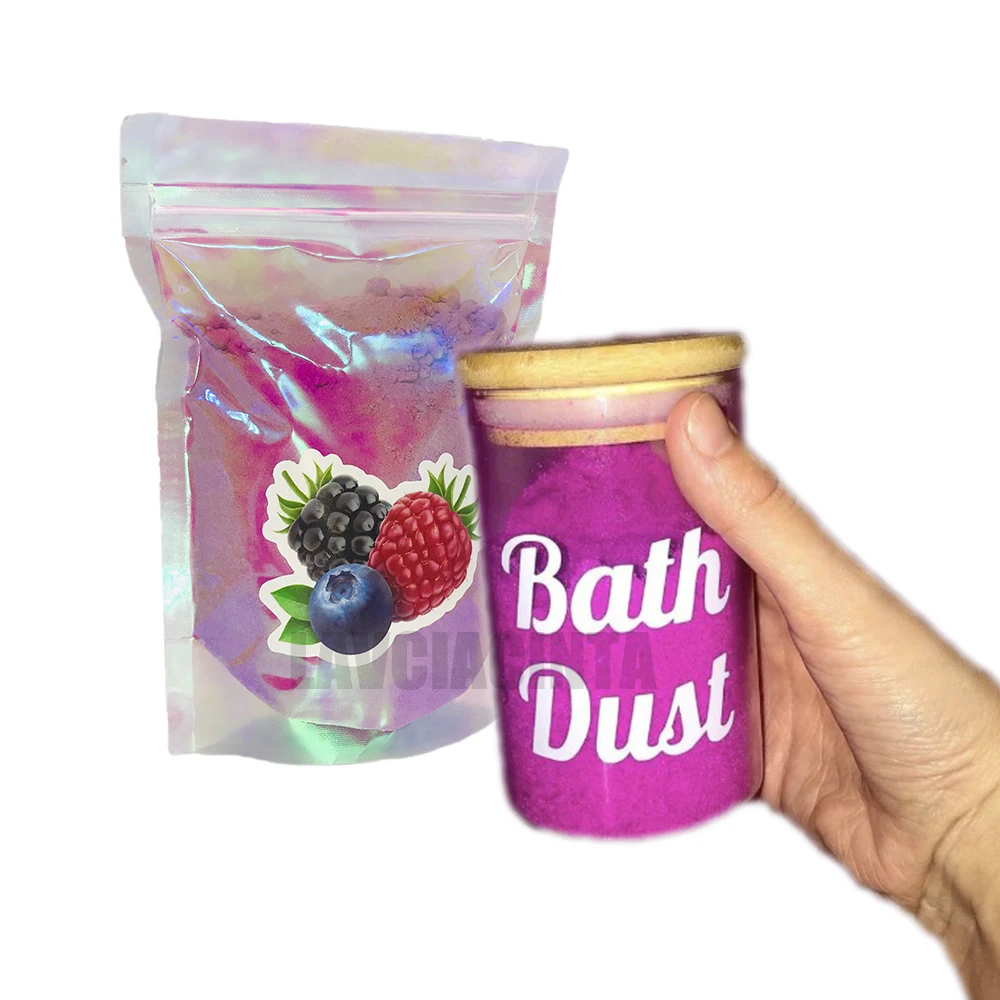
In simple terms, bath bomb color powder is a finely milled pigment or dye substance specifically formulated to dissolve evenly in water, imparting vivid colors to bathwater when the bomb reacts. Unlike typical dyes, these powders are often mineral- or plant-based, carefully chosen or engineered to be skin-friendly, water-soluble, and cosmetically safe. They connect modern cosmetic industry requirements with practical usability and aesthetics.
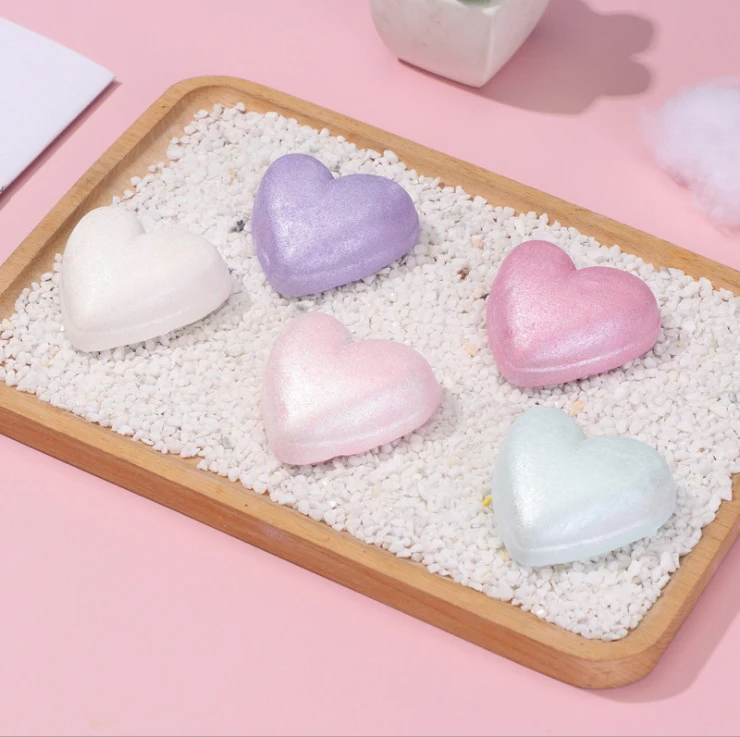
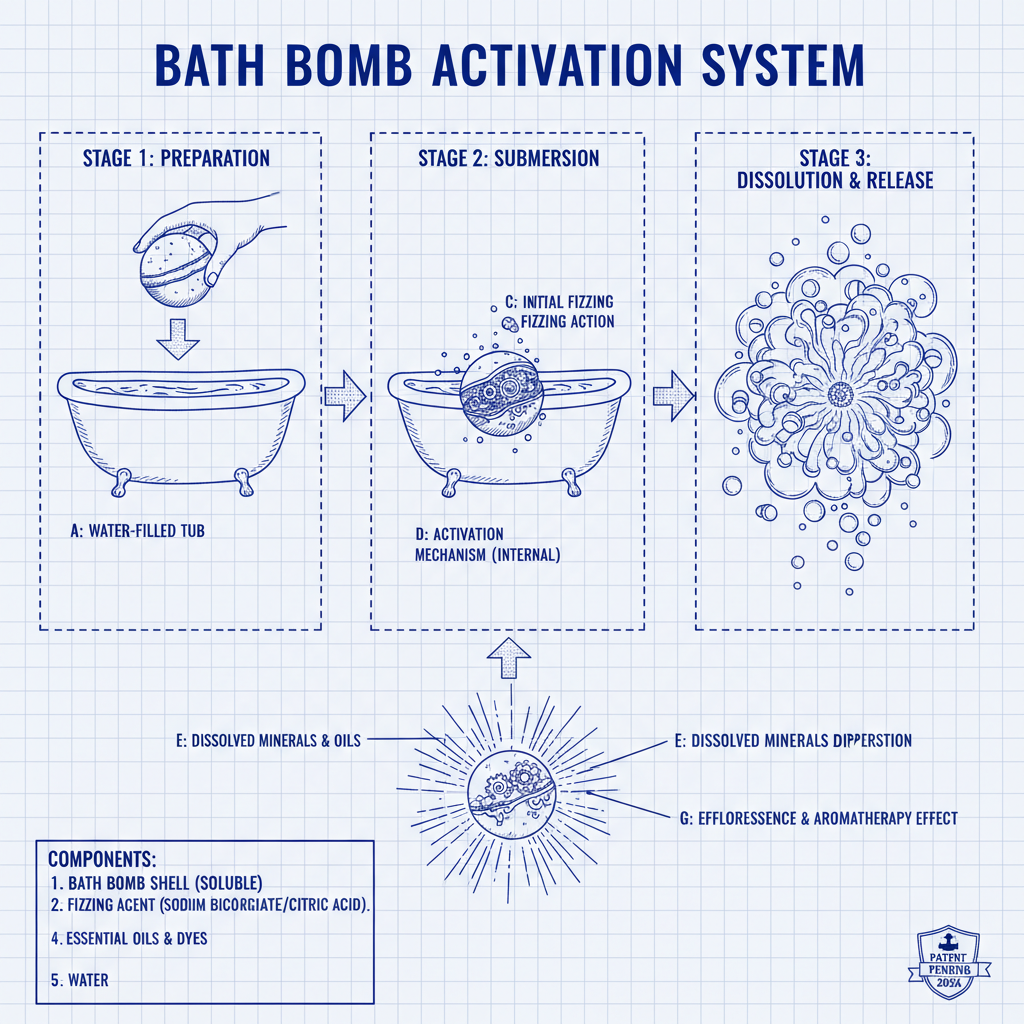
These powders are incorporated into the bath bomb formula, which also contains baking soda, citric acid, oils, and fragrances. When tossed into water, the reaction creates fizzing bubbles and a cloud of colors, enhancing the sensory experience of bathing. On a more practical note, some powders also contain added properties like shimmer or antioxidant compounds.
Mini takeaway: Bath bomb color powder is a crafted, skin-safe pigment designed to dissolve and color bathwater vividly and safely.
Key Aspects Influencing Bath Bomb Color Powder Performance
1. Solubility and Dispersion
One of the toughest challenges is ensuring the powder dissolves completely without leaving residues or staining the tub. Good powders disperse evenly, releasing color quickly.
2. Skin Safety and Regulatory Compliance
Since bath bombs contact sensitive skin, the pigments must comply with regional regulations such as the FDA in the US or the EU Cosmetics Regulation, avoiding toxins and allergens.
3. Color Intensity and Variety
Consumers love bold shades and unique hues, so the pigment must maintain vibrancy even in varying water hardness or temperatures.
4. Sustainability and Source
There’s a growing demand for plant-based or mineral-derived powders that avoid synthetic dyes or heavy metals, aligning with eco-conscious consumer values.
5. Cost Efficiency
Manufacturers balance pigment quality with price since bath bombs are often impulse purchases where cost competitiveness matters.
6. Storage Stability
Powders must resist clumping and color degradation under typical warehouse conditions over months.
Mini takeaway: The best bath bomb color powders blend science, safety, aesthetics, sustainability, and economics seamlessly.
Real-World Applications and Industry Examples
Bath bomb color powder is sold worldwide across many markets—from big cosmetic brands in Europe and North America to boutique producers in Asia. For example, manufacturers in Indonesia source natural mineral pigments locally, introducing novel colors precisely tailored for tropical water profiles.
In addition to standard retail, bath bomb formulations with these powders are popular for spas and wellness centers, where the color can tie into aromatherapy themes. Interestingly, some NGOs producing hygiene kits for refugees are experimenting with mild color powders to make bathing more inviting in challenging environments, supporting not just hygiene but psychological well-being.
Mini takeaway: Bath bomb color powder spans luxury wellness markets to humanitarian initiatives, showing broad global reach and benefits.
Advantages of Using High-Quality Bath Bomb Color Powder
- Enhanced User Experience: Vibrant, clear colors create memorable sensory moments.
- Trust and Safety: Compliant powders prevent skin irritation and build brand loyalty.
- Eco-Friendly Choice: Sustainable pigments reduce environmental impact.
- Competitive Edge: Unique colors and lasting stability help brands stand out.
Emotionally, a great bath bomb color powder can make people look forward to their bath-time ritual, offering moments of relaxation and joy, which is often undervalued.
Looking Ahead: Innovations and Trends
Future bath bomb color powders are trending towards bio-based pigments produced by fermentation or algae, reducing chemical waste drastically. Automation in pigment manufacturing ensures consistent batches, while digital color matching lets brands launch custom limited editions faster.
Moreover, integrating smart color powders that respond to water pH or temperature, offering dynamic visual effects, is no longer sci-fi but a budding reality, enriching the customer experience further.
Challenges and Emerging Solutions
Despite progress, issues remain: synthetic powder residues can stain tubs, while natural pigments might fade prematurely or cost more. Manufacturers tackle these by experimenting with nanoparticle encapsulation to improve dispersion and by sourcing ethical raw materials certified by ecosustainability groups.
Education around proper storage and formulation tweaks also help reduce powder clumping and prolong shelf life.
Technical Specifications: Sample Bath Bomb Color Powder
| Specification | Details |
|---|---|
| Composition | Mineral-based pigment with binding agents |
| Particle Size | 15-35 microns |
| Solubility | Instant dissolution in water without residue |
| Color Range | 12 standard shades + custom blends |
| Shelf Life | 18 months under dry conditions |
| Compliance | FDA, EU Cosmetics Directive |
Vendor Comparison: Popular Bath Bomb Color Powder Suppliers
| Vendor | Color Variety | Sustainability | Pricing (per kg) | Lead Time |
|---|---|---|---|---|
| ColorLux Minerals | 15 vibrant shades | Certified organic | $28 | 2 weeks |
| EcoPigment Co. | 12 natural earth tones | Fair-trade certified | $25 | 3 weeks |
| VividHue Labs | Customizable colors | Limited sustainability focus | $20 | 1 week |
Frequently Asked Questions About Bath Bomb Color Powder
Q1: Are bath bomb color powders safe for sensitive skin?
Yes, reputable bath bomb color powders are specially formulated and tested to avoid common irritants. Look for products compliant with regulatory bodies like the FDA or EU Cosmetics Directive, and always do a patch test if sensitive. Using natural, mineral-based powders often reduces allergy risks compared to synthetic dyes.
Q2: Can bath bomb color powder stain my bathtub?
High-quality powders dissolve completely and rarely stain if used as directed. However, some synthetic or poorly formulated pigments may leave slight residues, especially on porous surfaces. Cleaning soon after use and choosing respected brands help prevent staining.
Q3: How do I choose the best color powder for my bath bomb formulations?
Consider solubility, color intensity, skin safety, and sustainability. Reviewing vendor certifications and ordering samples to test in your specific formula and water conditions is always wise.
Q4: Is it possible to customize bath bomb color powders?
Absolutely. Many suppliers offer bespoke blends or unique shades tailored to your brand's identity. This customization can elevate product differentiation but typically comes with longer lead times and minimum order quantities.
Q5: How should bath bomb color powders be stored?
They should be kept in cool, dry conditions, away from humidity to prevent clumping and degradation. Airtight containers and proper shelving enhance shelf life—usually up to 18 months or more.
Wrapping Up: Why Bath Bomb Color Powder Is More Than Just Color
All things considered, bath bomb color powder sits at the heart of modern cosmetic innovation. It blends chemistry, artistry, safety, and sustainability to create products people enjoy every day. Whether you’re a manufacturer aiming to perfect your color blends or a curious consumer intrigued by the fizz and hue, the technology behind these powders is worth appreciating. For those exploring options, visiting bath bomb color powder suppliers and resources can be a good start to sourcing quality ingredients.
After all, the right shade in your bath bomb can turn a simple soak into a mini celebration of color, scent, and relaxation.