

Cheap Bath Bombs Guide | Affordable Quality & Industry Insights
Cheap Bath Bombs: What You Should Know Before Buying
Working in industrial equipment for years, you get a knack for noticing details that most folks might overlook. Oddly enough, when I first encountered the world of cheap bath bombs, I was a bit skeptical. Bath bombs? Industrial sensibilities aside, I realized there’s more engineering behind these fizzing little spheres than I expected.
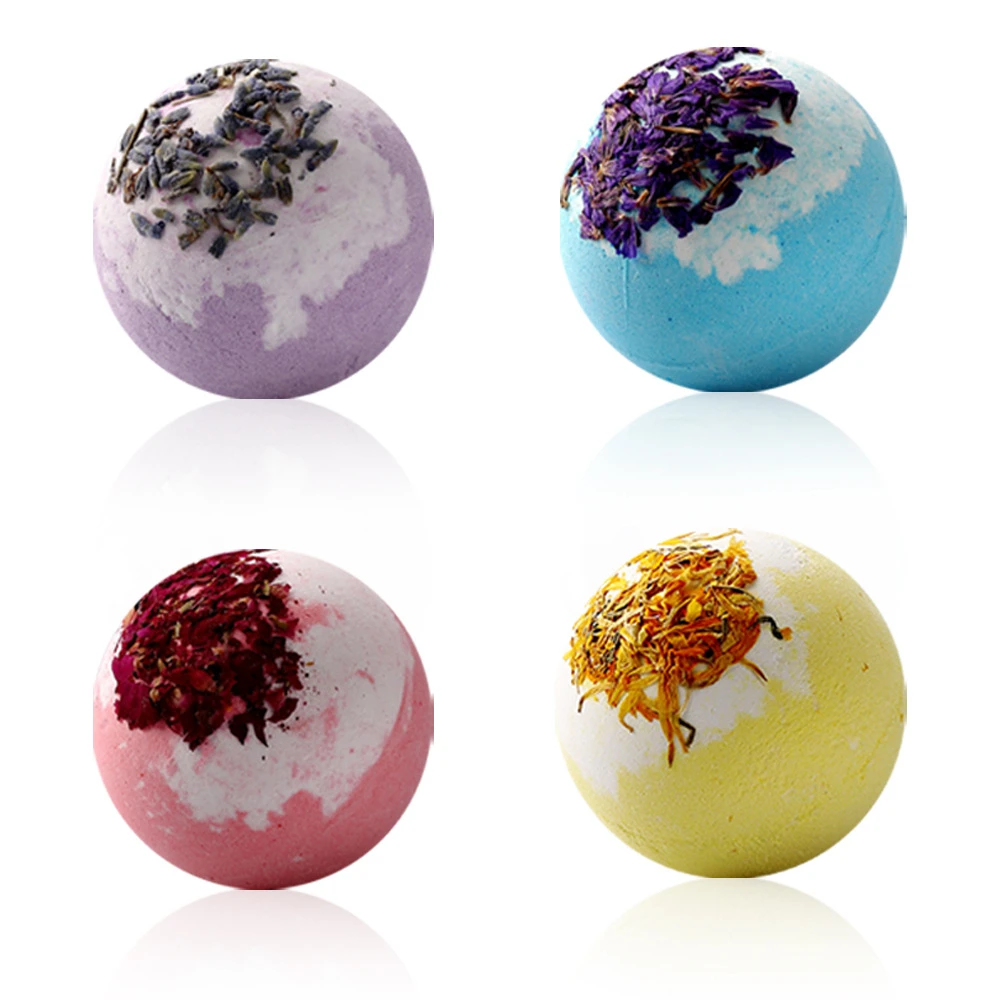
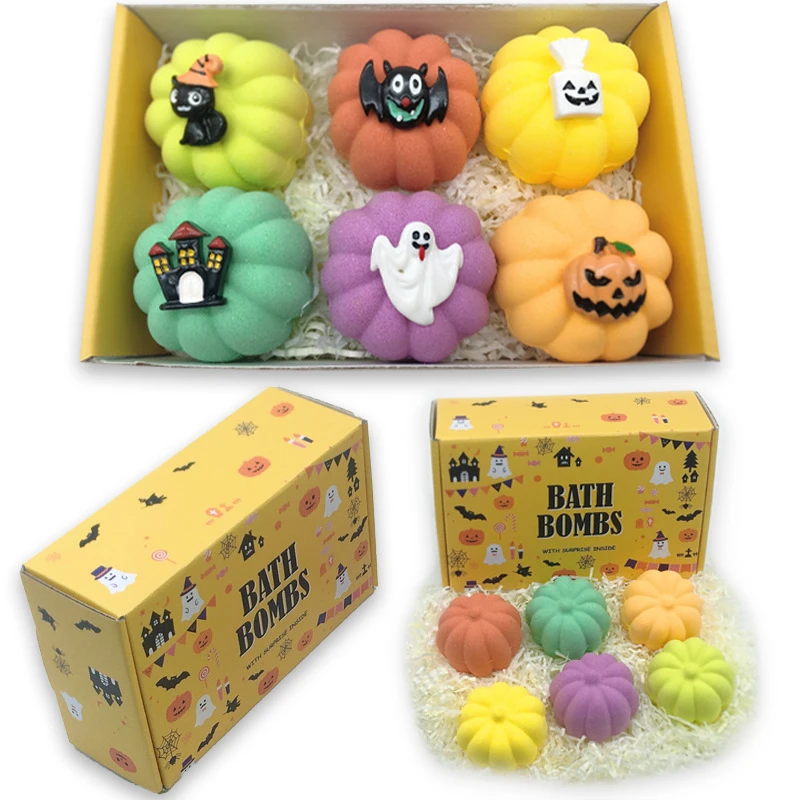
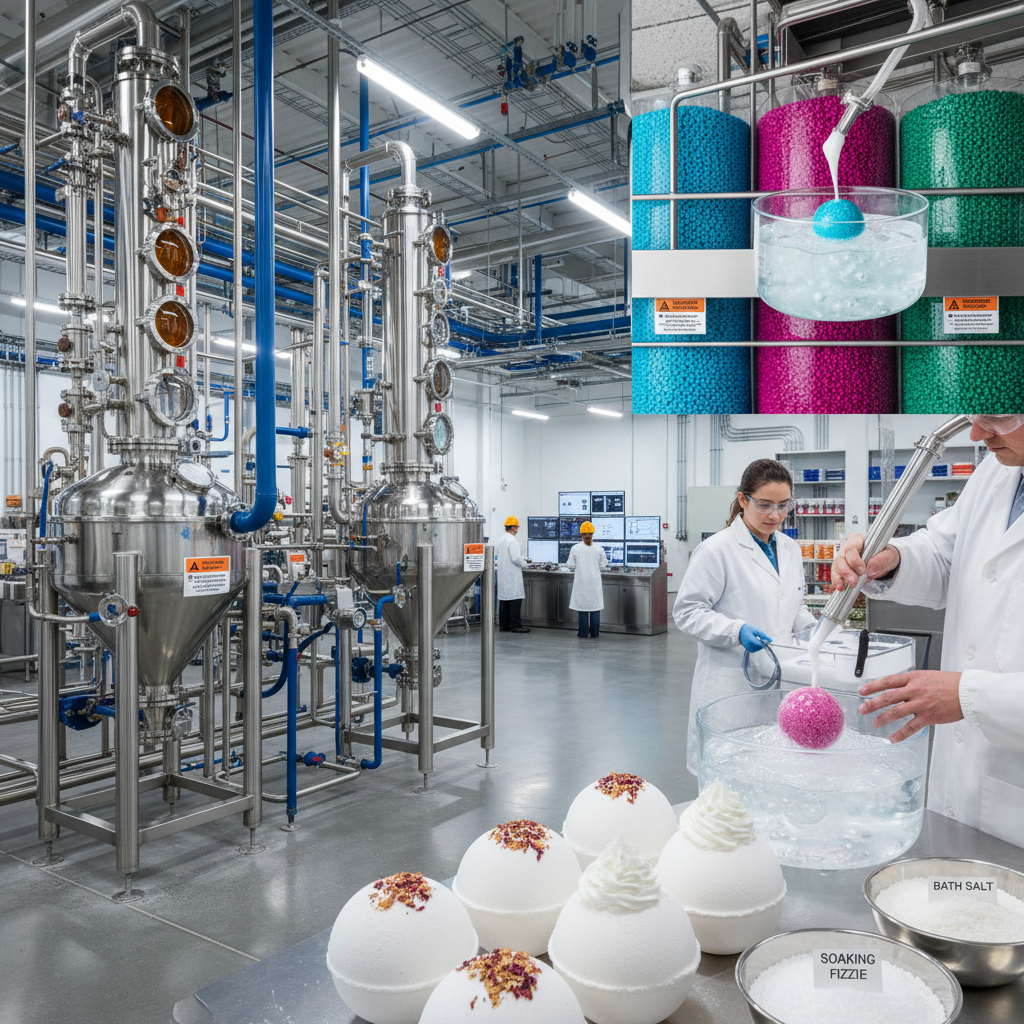
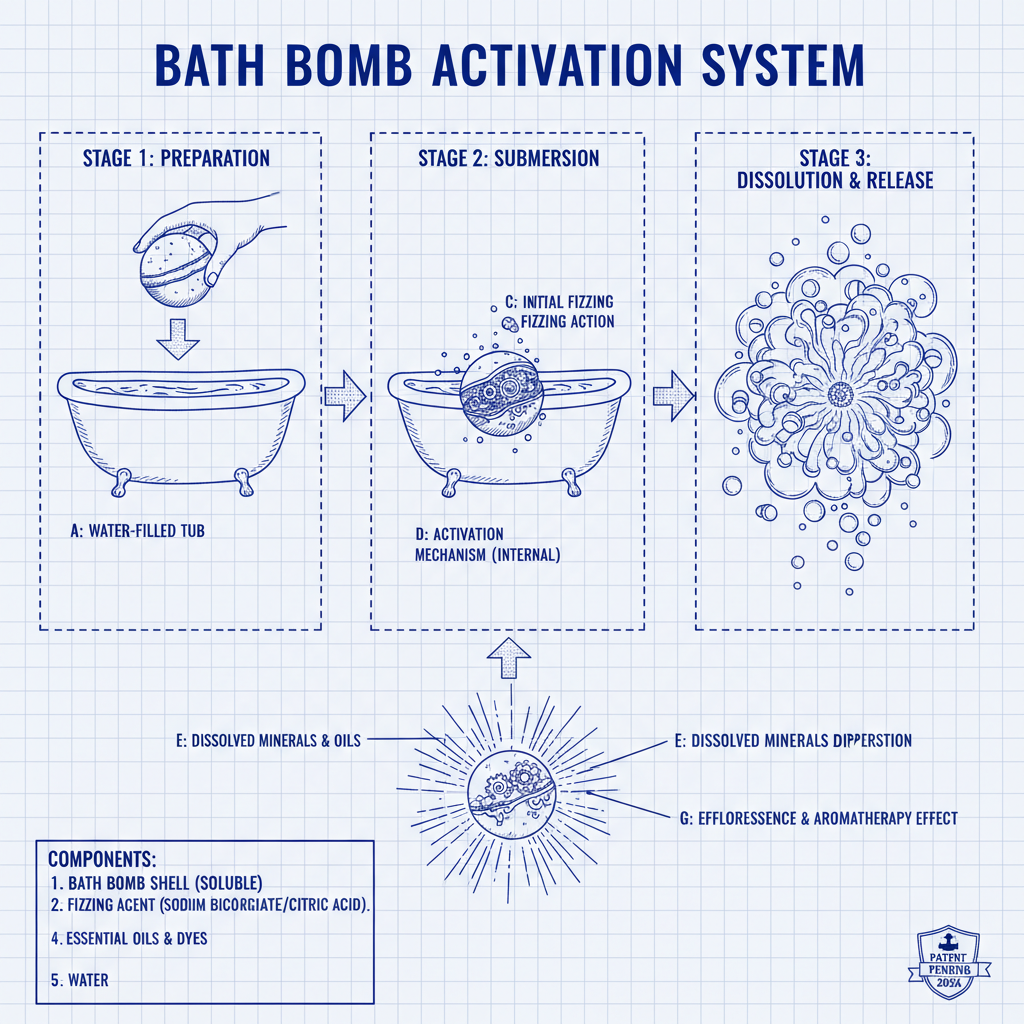
You see, bath bombs aren't just tossed together with random stuff. The formulation involves a precise balance of ingredients, like citric acid and baking soda, with added fragrance oils, moisturizers, and colorants. Those cheap bath bombs? They’re often bulked up with fillers to keep costs down, which sometimes affects how well they dissolve or how the scents linger.
From an industrial perspective, the raw materials’ quality drastically influences final performance. When I had a chance to examine some economical bath bombs, the fizz time was shorter, and the oil content lower compared to premium ones I tested on the side. But hey, for many users just wanting a quick soak, these affordable options do just fine.
Testing is an underrated aspect here. In industry, we run multiple rounds to ensure product consistency — something not always guaranteed in these bargain packs. I recall a client mentioning a one-off batch that fizzled out immediately, basically just adding color to the water, which felt disappointing. That’s the kind of inconsistent experience cheap bath bombs sometimes bring.
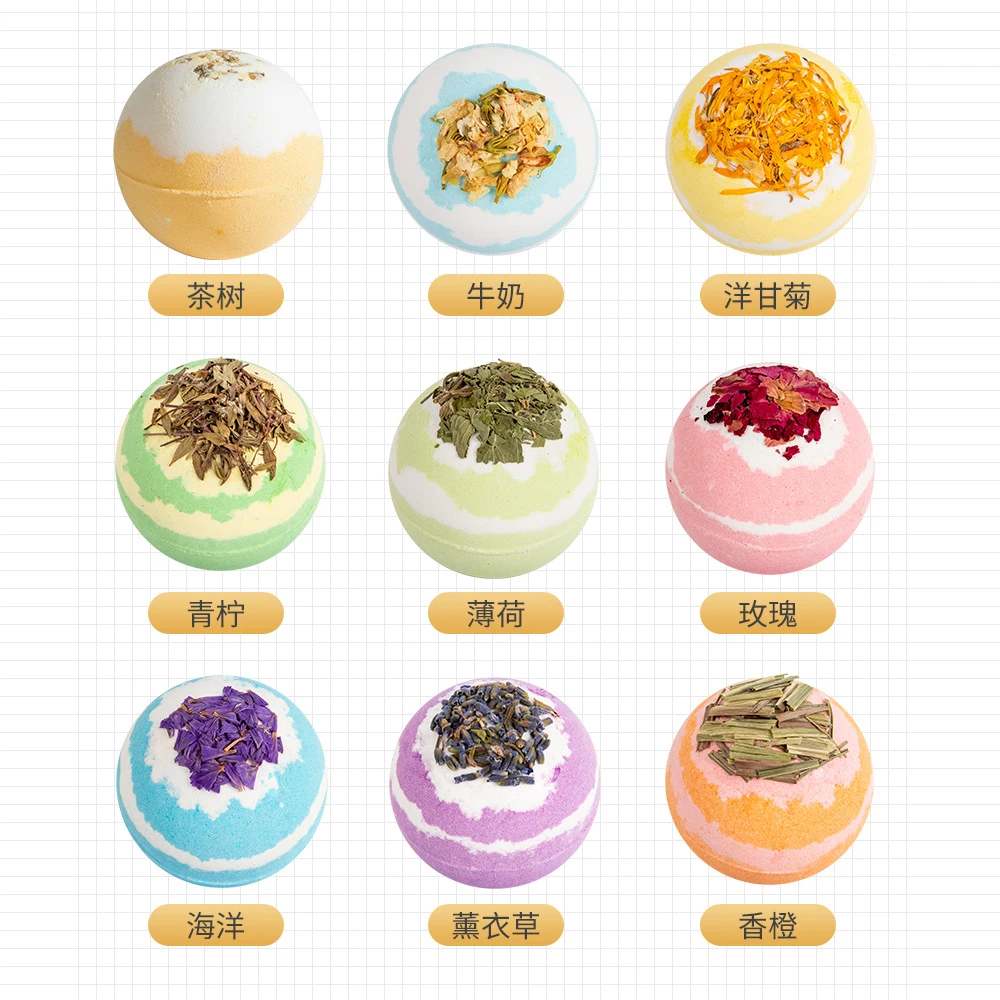
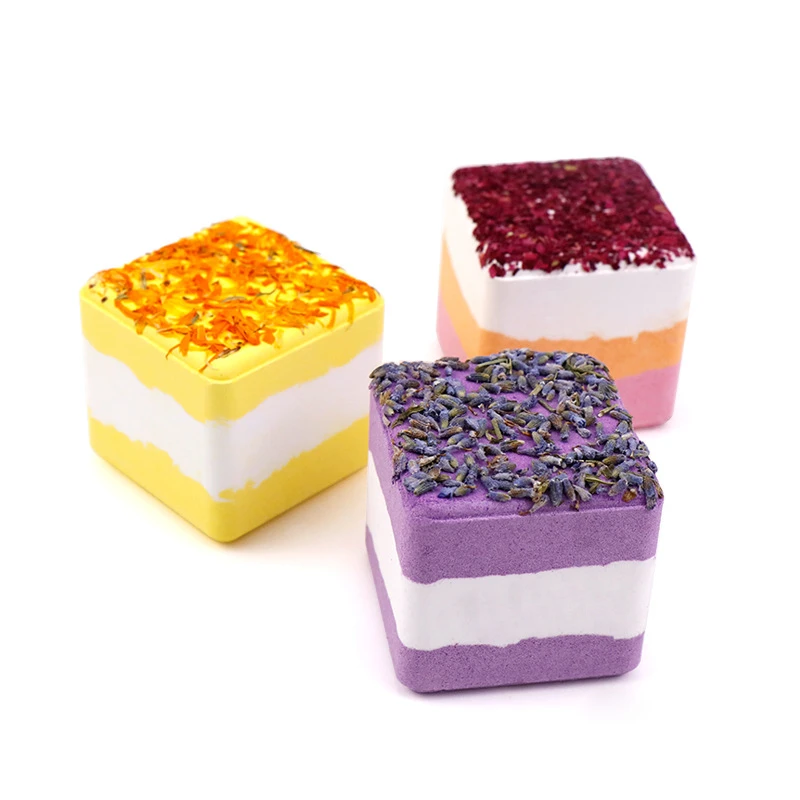
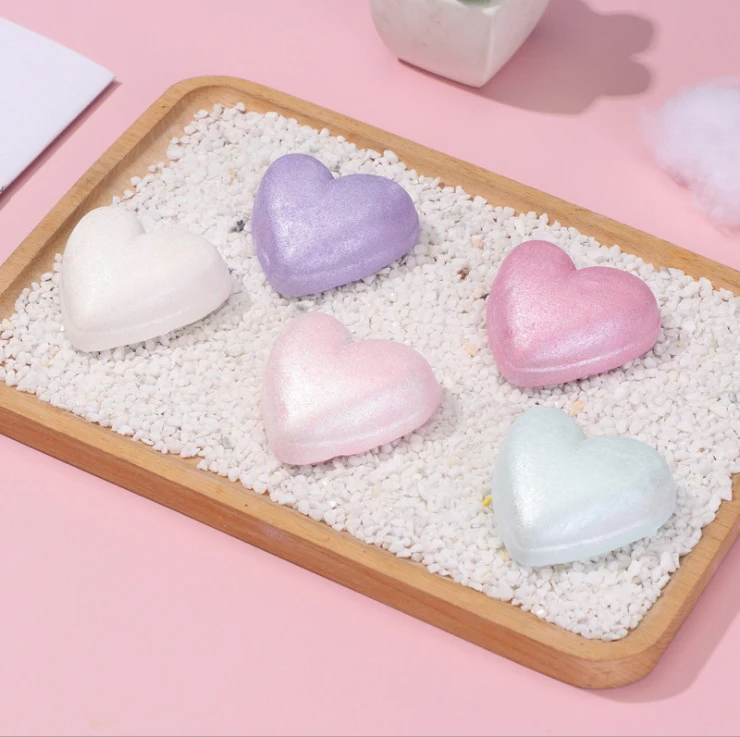
But frankly, customization is gaining traction. Some brands now play around with biodegradable glitter, essential oil blends, even therapeutic minerals. This makes the turn toward affordable products more interesting because you can find bath bombs that offer both value and a pleasant experience without breaking the bank.
Here’s a handy table outlining essential specs many manufacturers watch to keep a balance between cost and quality:
| Specification | Typical Cheap Bath Bomb | Premium Bath Bomb |
|---|---|---|
| Fizz Duration | 30–45 seconds | 1.5–2 minutes |
| Fragrance Quality | Synthetic blends | Essential oils & natural extracts |
| Moisturizer Content | Low (2–3%) | High (5–7%) |
| Colorants Used | Artificial dyes | Natural mica powders |
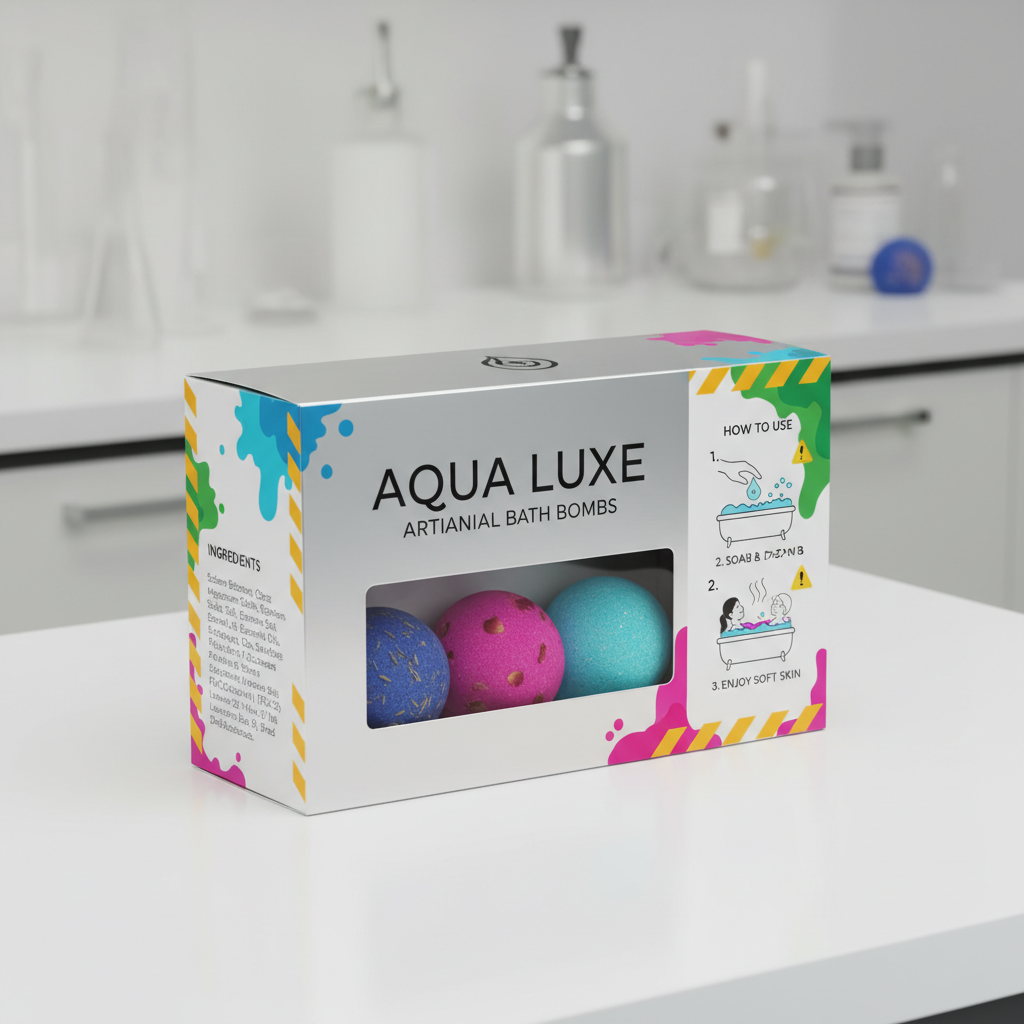
| Packaging | Simple shrink-wrap | Recyclable, branded boxes |
Now, not all manufacturers approach production the same way. Some emphasis on sustainability, others just want to maximize volume. I looked into a small set of vendors just to see where the big differences lie:
| Vendor | Price per unit | Avg. Fizz Time | Eco-Friendliness | Customer Rating |
|---|---|---|---|---|
| Bath Bliss Co. | $0.80 | 35 sec | Moderate (some biodegradable packaging) | 4.1/5 |
| EcoFizz Naturals | $1.20 | 90 sec | High (100% biodegradable) | 4.8/5 |
| QuickFizz Enterprises | $0.50 | 25 sec | Low (plastic packaging) | 3.5/5 |
I remember one small anecdote from a longtime buyer who runs a modest spa. She switched to cheap bath bombs for budget reasons, and was pleasantly surprised how some affordable brands offered decent fizz and fragrance without breaking the bank. Her takeaway? Not all inexpensive bombshells are duds.
To wrap it up — in real terms, if you’re after a budget-friendly soak, cheap bath bombs can definitely serve you well. But don’t be fooled by price alone. Check ingredients, test fizz time if you can, and maybe prioritize ones blending natural components. And for those who love a little sparkle, some affordable options now even include safe, dissolvable glitter.
Sometimes, the simplest pleasures (like a good bath) deserve a little industrial insight.
References:
1. Formulation basics in personal care products – Cosmetics Science Journal, 2022
2. Consumer reports on bath bomb user satisfaction, 2023
3. Packaging and sustainability trends in toiletries, Green Packaging Weekly, 2023