

Can 2 Year Olds Use Bath Bombs? Safety & Advice Explained
Can 2 Year Olds Use Bath Bombs? A Practical Look
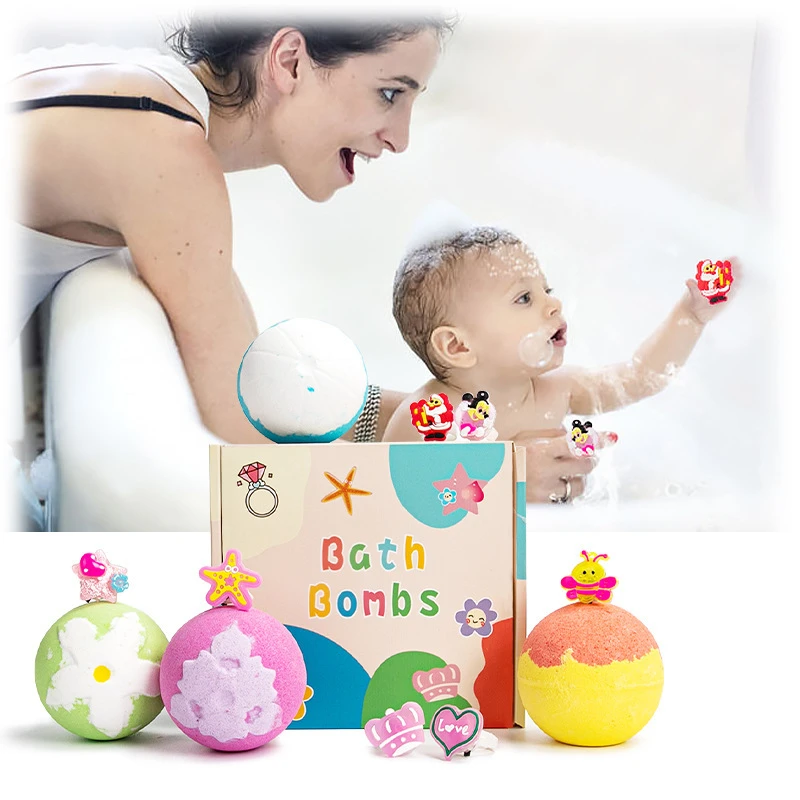
Working in the industrial sector for years, I often get questions about product safety – especially when it comes to kids. So, when someone asked if 2 year olds can use bath bombs, I couldn’t help but dig into it thoughtfully. After all, bath bombs have surged in popularity, with millions enjoying that fizz and fragrance, but how does that translate when it’s your toddler?
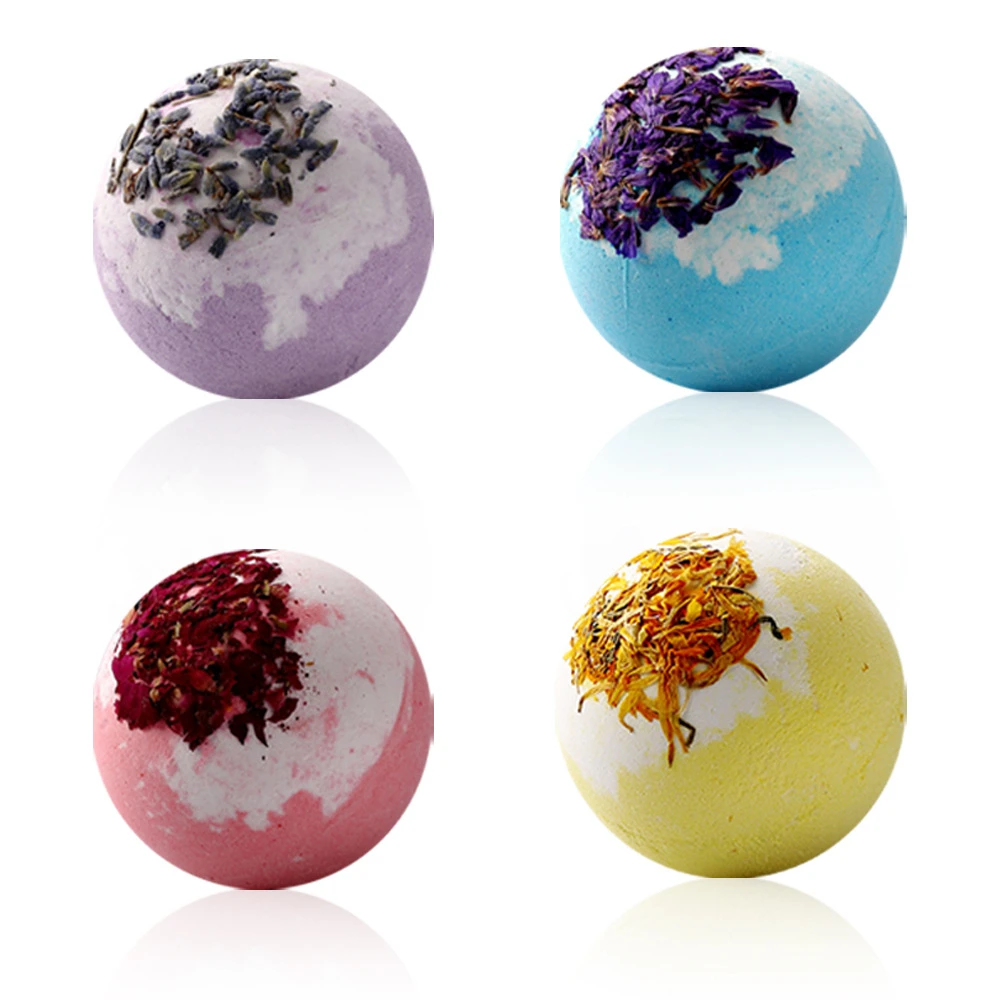
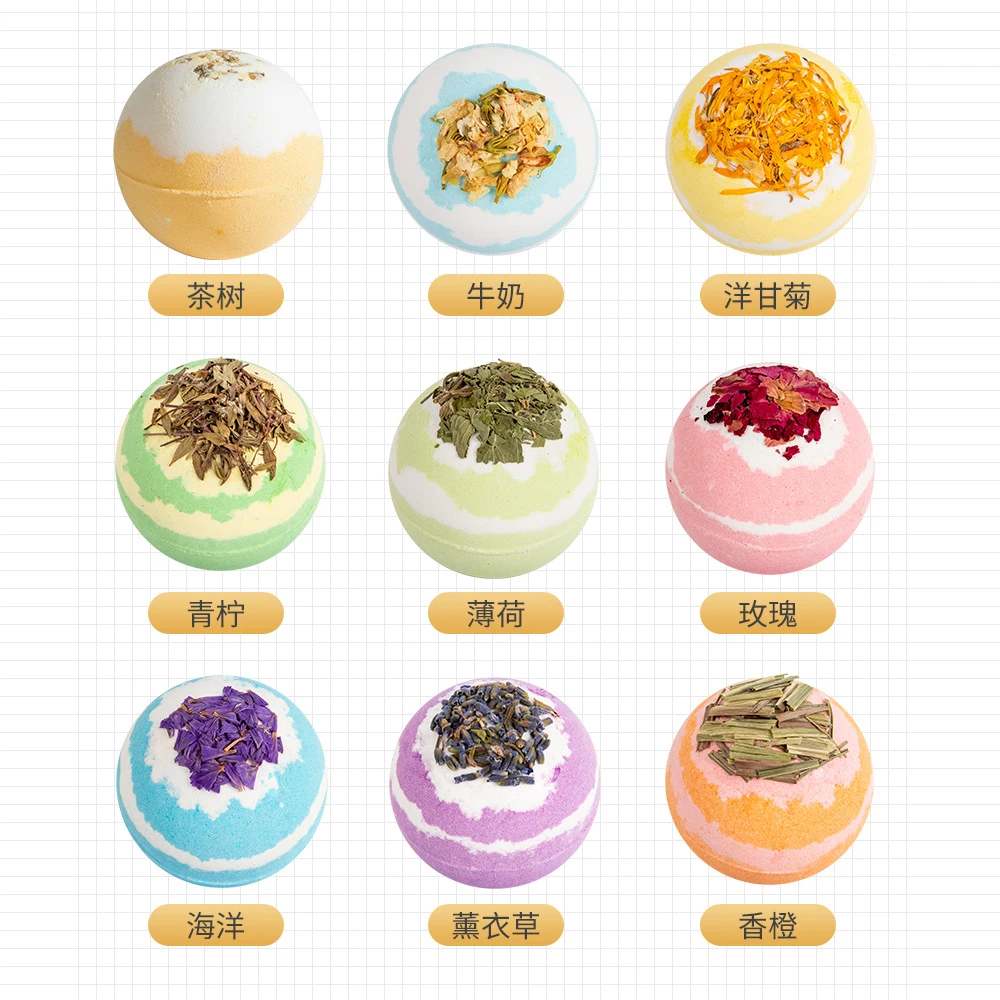
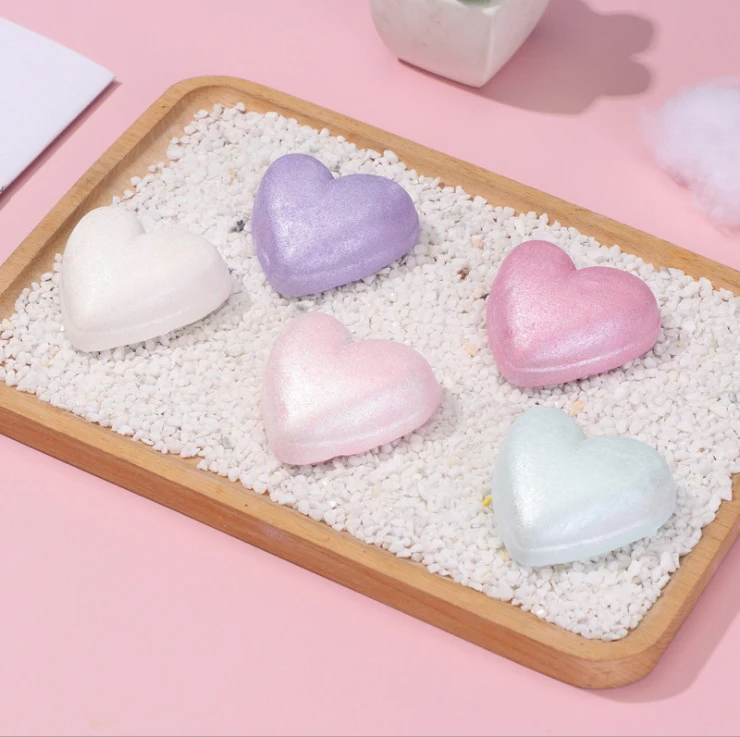
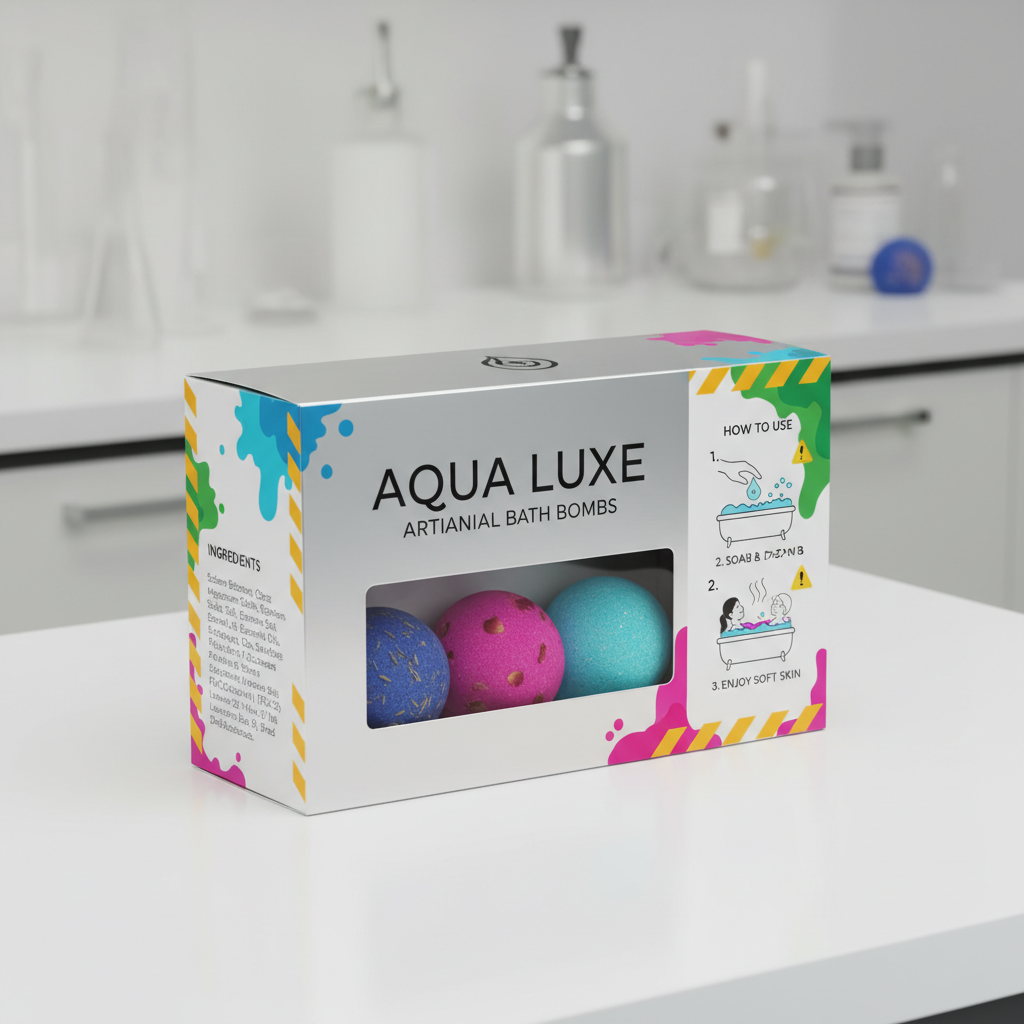
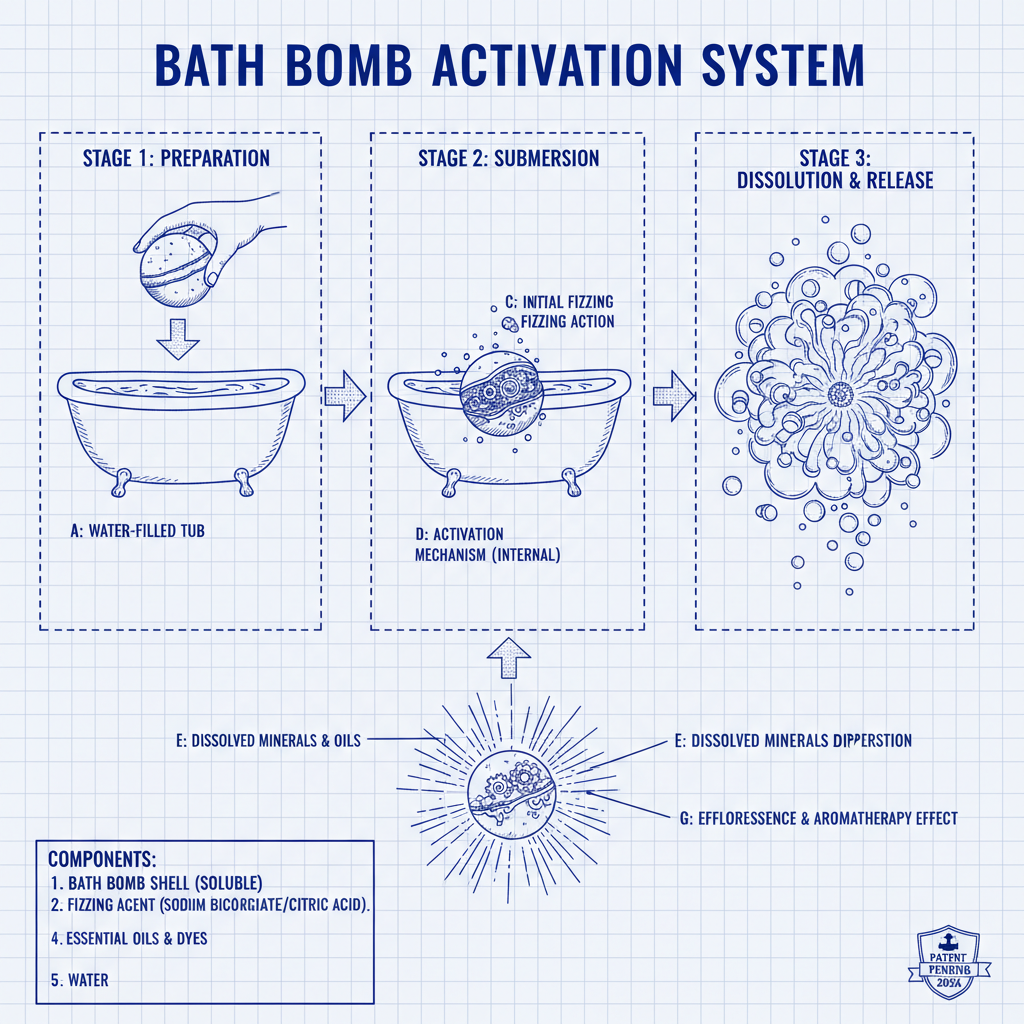
Oddly enough, many of my colleagues in product design and safety testing emphasize that ingredient transparency is key. Bath bombs, typically made from baking soda, citric acid, essential oils, and colorants, are meant for gentle exfoliation and a sensory experience. But the small hands and sensitive skin of toddlers add a very different dimension.
Looking into product labeling and some of the industry standards, you’ll notice quite a few mention age recommendations or warnings. Most manufacturers explicitly say “Not recommended for children under 3 years”—and here’s where it gets interesting. This caution isn’t just red tape. It’s about the potential for irritation, accidental ingestion, or allergic reactions. Plus, the fizzing action (which is kind of the whole charm) might be exciting for a toddler but could also cause discomfort if they have sensitive skin.
From a personal anecdote, a friend’s child who’s just turned three tried a gentle bath bomb once, under close supervision. The experience was positive, ended with a smile, and no skin issues. But anything younger than that, I’ve generally seen the advice lean towards avoiding it until the skin barrier is more developed—a bit like certain baby lotions or soaps with fragrance.
Product Specifications: Typical Baby-Friendly Bath Bomb
| Specification | Details |
|---|---|
| Ingredients | Baking soda, citric acid, natural essential oils (lavender, chamomile), oat extract |
| pH Level | 6.5 - 7 (close to neutral, gentle) |
| Colorants | Natural mineral pigments, no synthetic dyes |
| Fragrance | Mild, plant-based, hypoallergenic |
| Recommended Age | 3 years and above (usually) |
In industrial terms, these specs emphasize why baby bath bombs are usually softer on skin and formulated without harsh chemicals, parabens, or sulfates common in other bath products. The idea is to minimize any chance of skin irritation or respiratory issues, especially because toddlers are so close to the water and steam.
Comparing Top Vendors for Kids’ Bath Bombs
| Vendor | Age Suitability | Ingredient Quality | Fragrance Type | Price Range |
|---|---|---|---|---|
| Enyu Body Care | 3+ years | Natural, USDA organic certified | Mild lavender, chamomile | $$ |
| Little Bubblemaker | 4+ years | Natural, some synthetic dyes | Fruity, sweet scents | $ |
| PureJoy Bath | 2+ years (caution advised) | All-natural, no dyes | Mild eucalyptus | $$$ |
Seeing these differences, you realize how “baby-friendly” can mean various things, based mostly on ingredient transparency and company philosophy. Honestly, it’s reassuring that vendors like Enyu Body Care take conservative age recommendations seriously.
To put it in the context of my years working with industrial safety standards — whether we’re engineering equipment or designing personal care products — the end-user safety and clear guidelines are the non-negotiables. And for bath bombs, that means waiting until kids have a sturdier skin barrier and fewer risk factors. Supervising bath time is a must anyway, but throwing an untested product into the mix for a toddler might just be asking for trouble.
Bottom line: for 2 year olds, it’s best to stick with plain water or specially formulated baby bath products. Those colorful, fizzy bath bombs? I’d hold off until at least 3 years, maybe longer if the child has sensitive skin or allergies. And of course, if you decide to try, keep an eye out for potential reactions and discontinue use immediately if anything seems off.
When in doubt, I’d recommend checking out respected sites like Enyu Body Care for their carefully crafted bath bombs—they almost always post thorough ingredient lists and usage advice, which you don’t want to skip.
Honestly, bath bombs are a lovely treat — for adults and older kids — but with toddlers, it pays to err on the side of caution. We all want them to have safe, fun experiences in the tub, but sometimes simple is best.
Takeaway: A cautious approach is the safest bet for two-year-olds when it comes to bath bombs — protect that delicate skin!
References:
1. Pediatric dermatology journals on infant skin sensitivity.
2. Industry safety standards for cosmetic products.
3. Manufacturer age and ingredient labeling guidelines.