

Bath Bombs and Beyond: Industrial Equipment Insights on Production Quality
Bath Bombs and Beyond: A Practical Look from the Industrial Equipment Perspective
Over the years, working in industrial equipment, I've come across countless product lines—some surprisingly sophisticated, others rather straightforward. Oddly enough, bath bombs caught my attention recently. They're deceptively simple but hide some neat engineering and material considerations underneath.
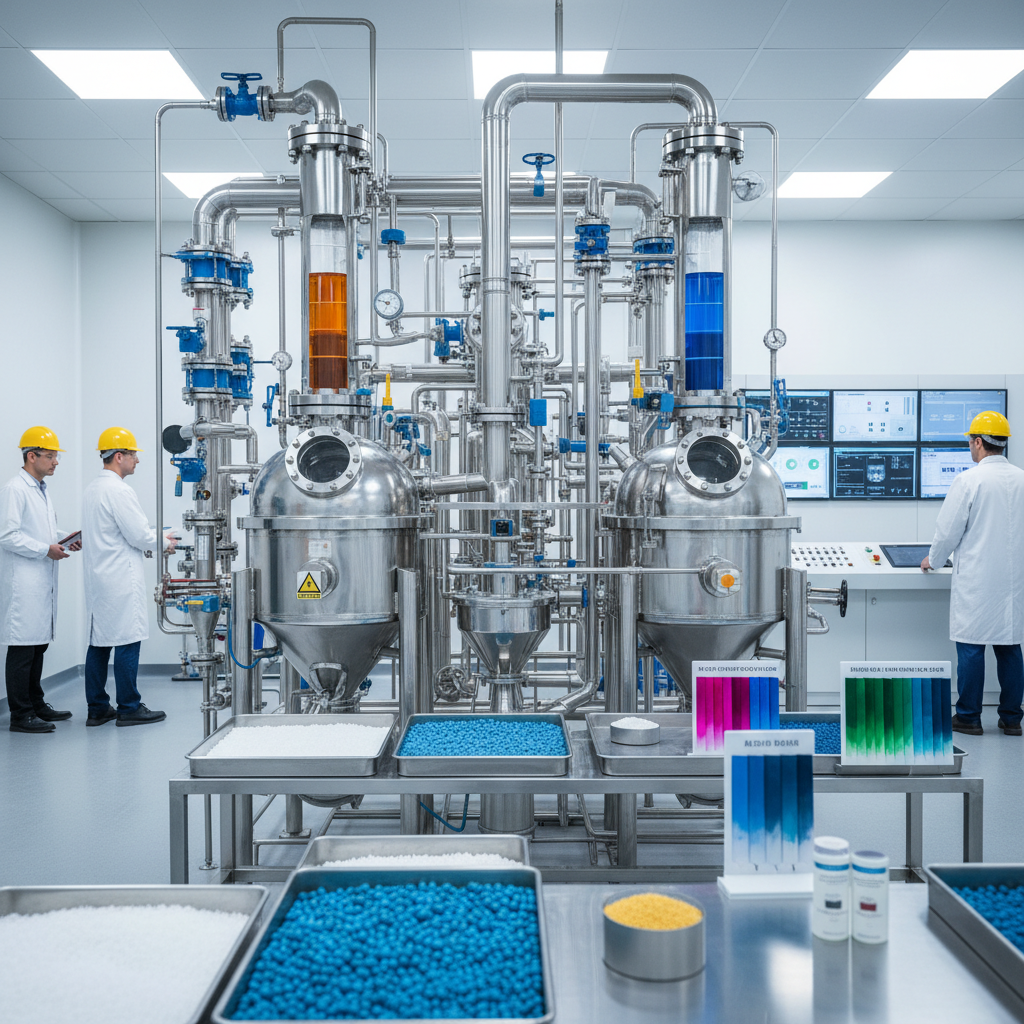
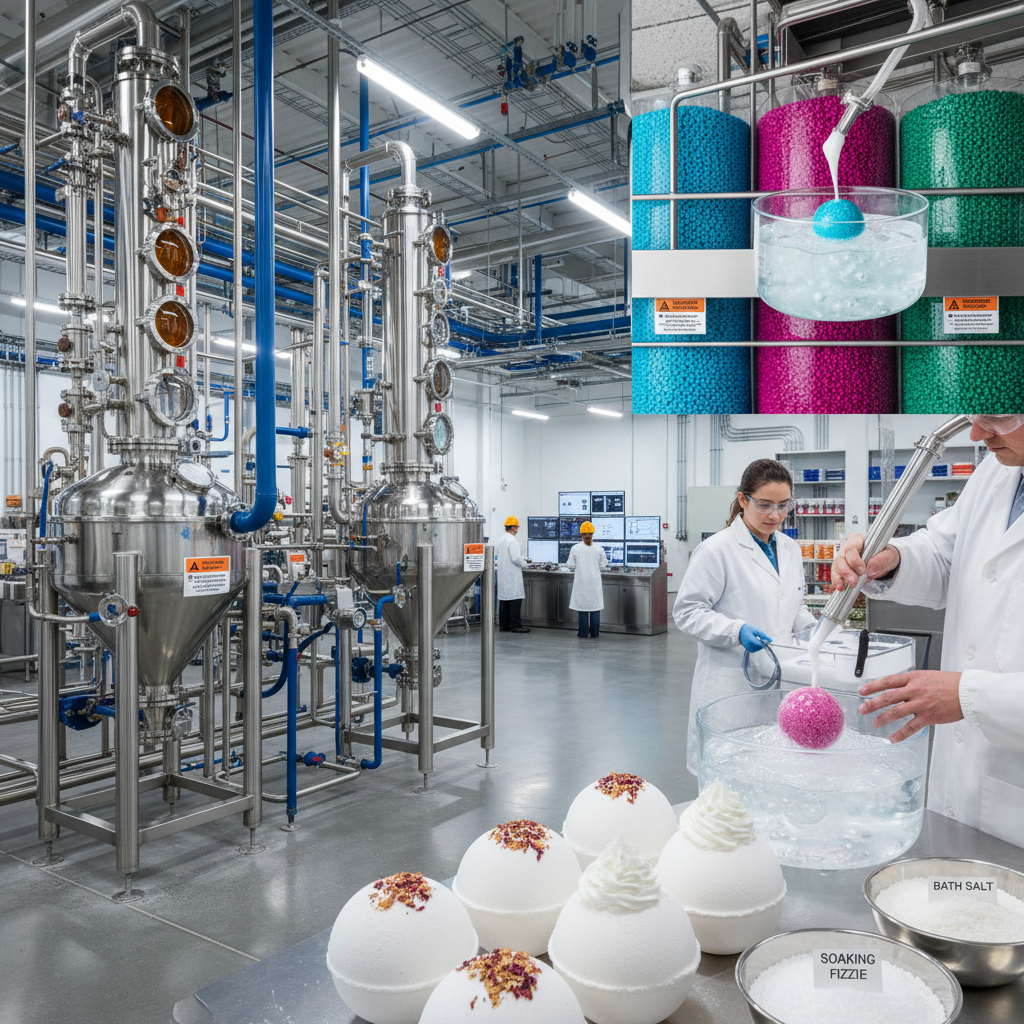
Now, you might wonder: what does industrial equipment have to do with a fizzing little sphere that dissolves in your tub? Well, quite a bit more than you’d think. The manufacturing process involves carefully balanced formulations, precise compression equipment, and quality testing machines. Frankly, it reminds me of working with compact, delicate components on assembly lines where consistency is key.
Understanding the Product Design and Materials
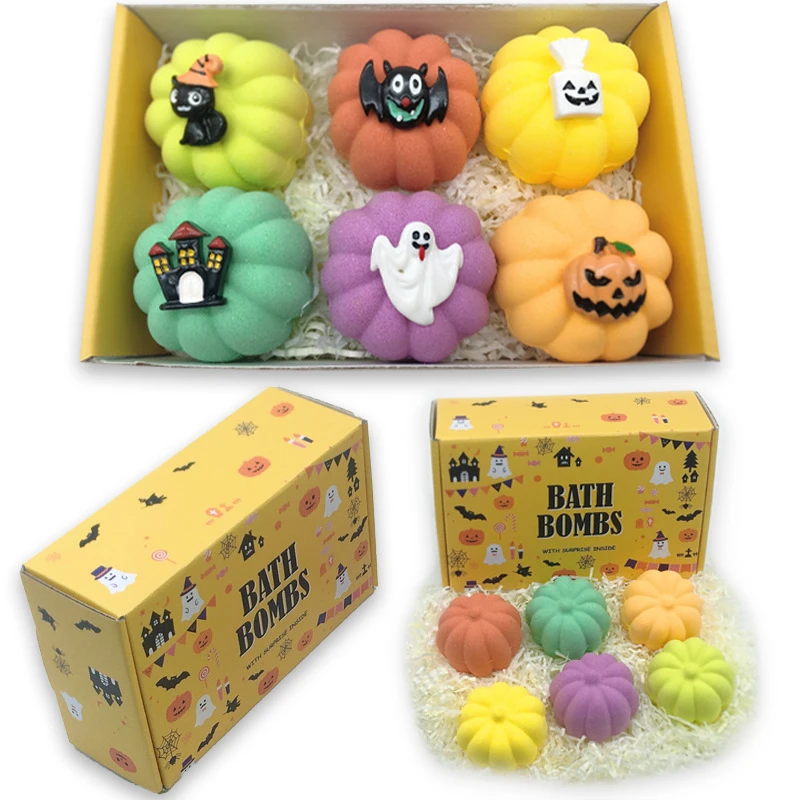
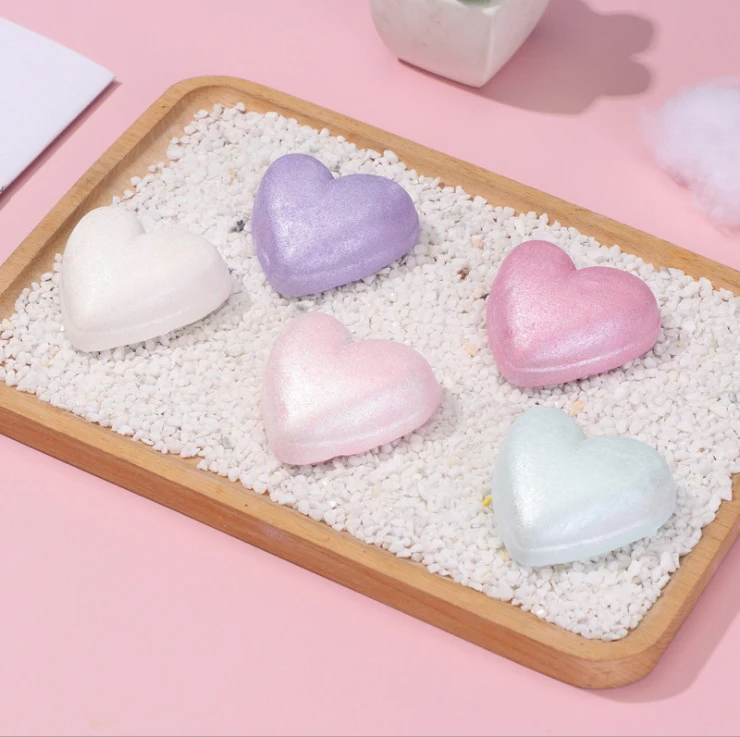
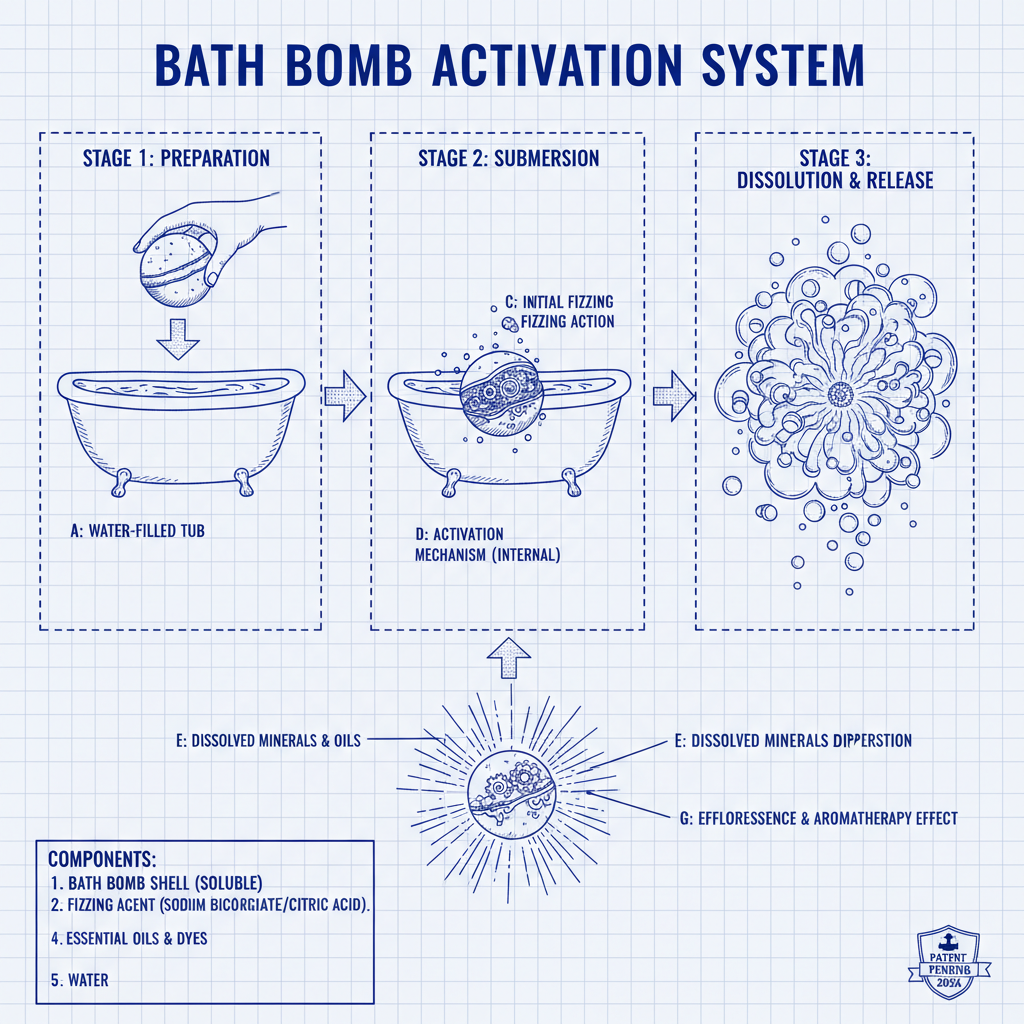
The core of a bath bomb is really its chemical makeup: typically baking soda, citric acid, essential oils, and a few binders. What’s tricky, from an equipment standpoint, is ensuring these ingredients are mixed uniformly and compressed without cracking—think of it like pressing a pressed powder cosmetic, but with a fizz factor baked in.
I recall inspecting some production batches where tiny deviations in humidity or pressure caused the bombs to crumble or fail their fizzing test. It becomes a dance between environmental control and machinery precision.
| Attribute | Value |
|---|---|
| Diameter | 6 cm (approx.) |
| Weight | 150 g |
| Main Ingredients | Sodium Bicarbonate, Citric Acid, Essential Oils |
| Compression Pressure | 1500 psi (typical) |
| Dissolving Time | 3 to 5 minutes in 37°C water |
Testing and Quality Control
Testing is honestly where many smaller producers stumble. It requires industrial-grade moisture analyzers and sometimes custom rigs to simulate the bath environment. From what I’ve seen—and partly experienced when helping a supplier—results vary wildly without strict process controls in place.
A neat little win in the industry is automating the packaging line to include weight checks and visual inspections—this greatly decreases defective units going outbound. It's that kind of integration practical engineers appreciate.
Beyond Bath Bombs: Customization and Trends
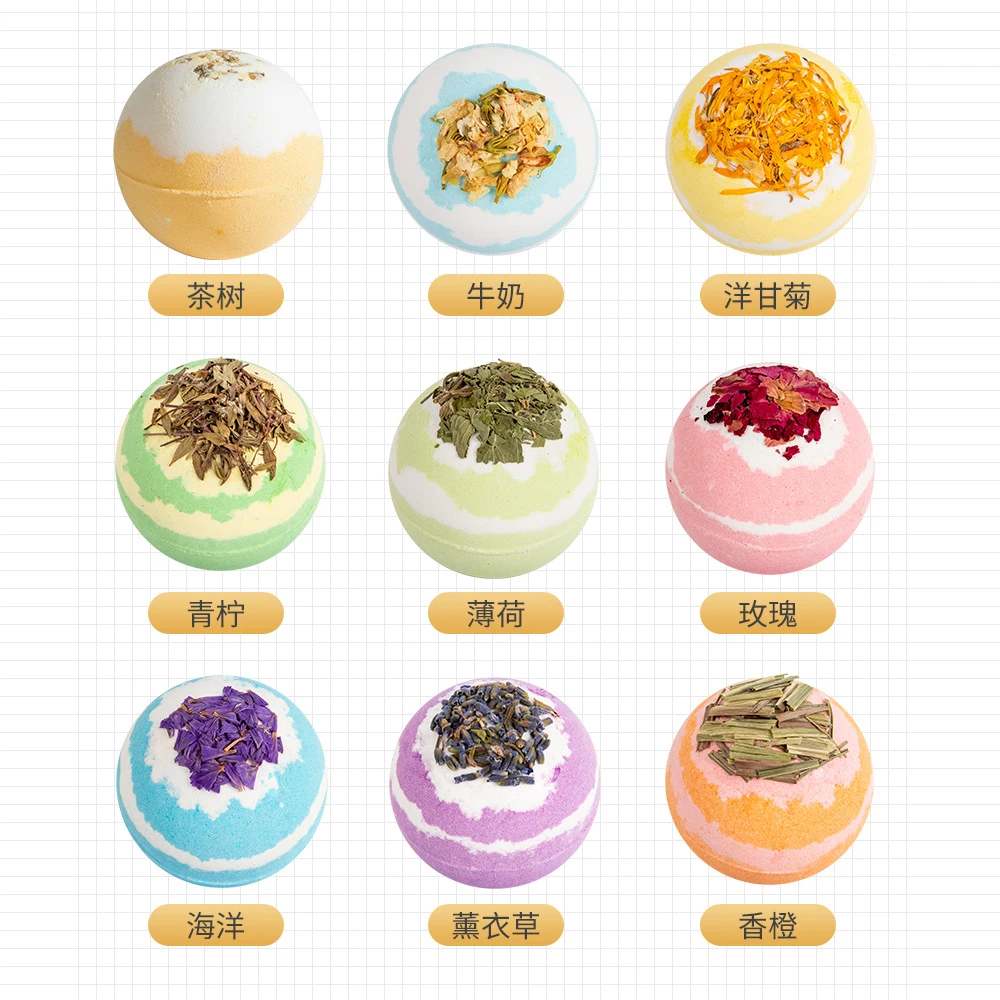
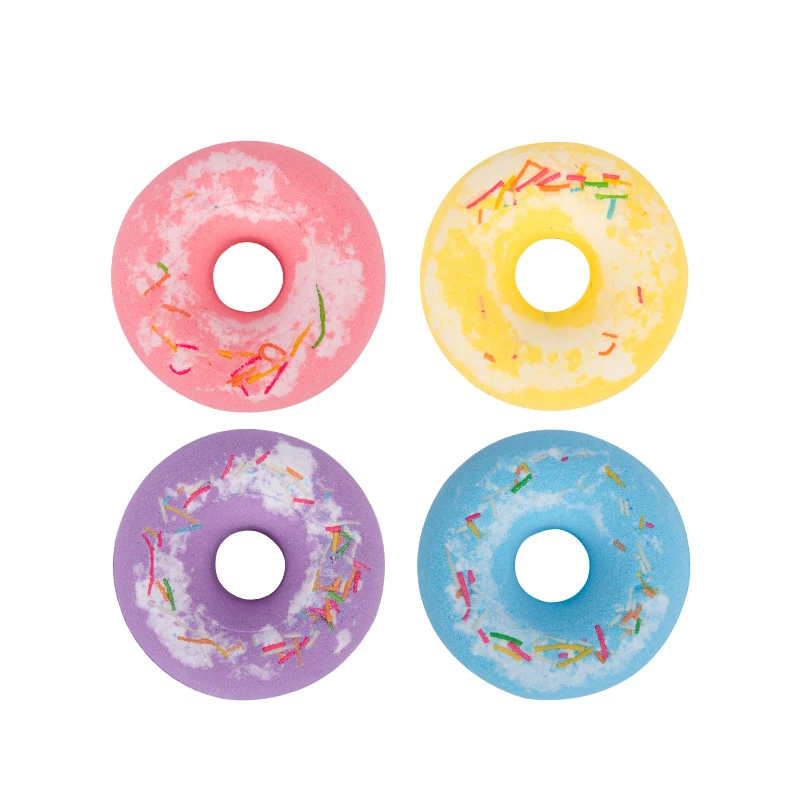
If you ask me, the boom in natural, vegan, and customizable bath bombs also means equipment adapted for smaller batch runs and quicker changeovers. I noticed during a recent plant tour how modular compactors and mixers help meet these demands. It feels like the old days of flexible manufacturing but with a fragrant twist.
Many engineers say the real challenge is keeping consistency while allowing for tailored scents and colors. Oddly enough, even a tiny bit of pigment can throw off compression, so material flow and blend uniformity are critical.
| Feature | Alpha Machinery | Beta Systems | Gamma Tech |
|---|---|---|---|
| Max Compression Pressure | 2000 psi | 1800 psi | 1500 psi |
| Batch Size Flexibility | High (modular) | Medium | Low (fixed lines) |
| Automation Level | Full line integration | Semi-automated | Manual override required |
| Price Range | $$$ | $$ | $ |
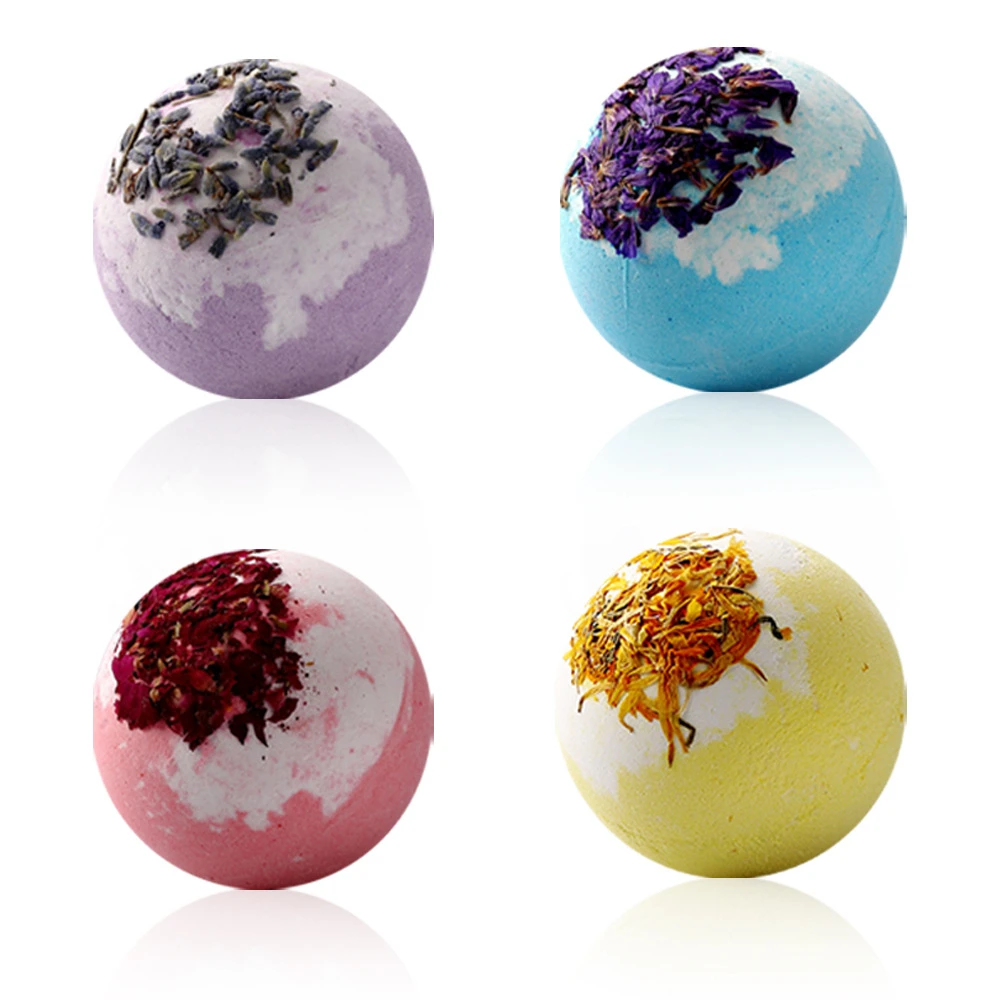
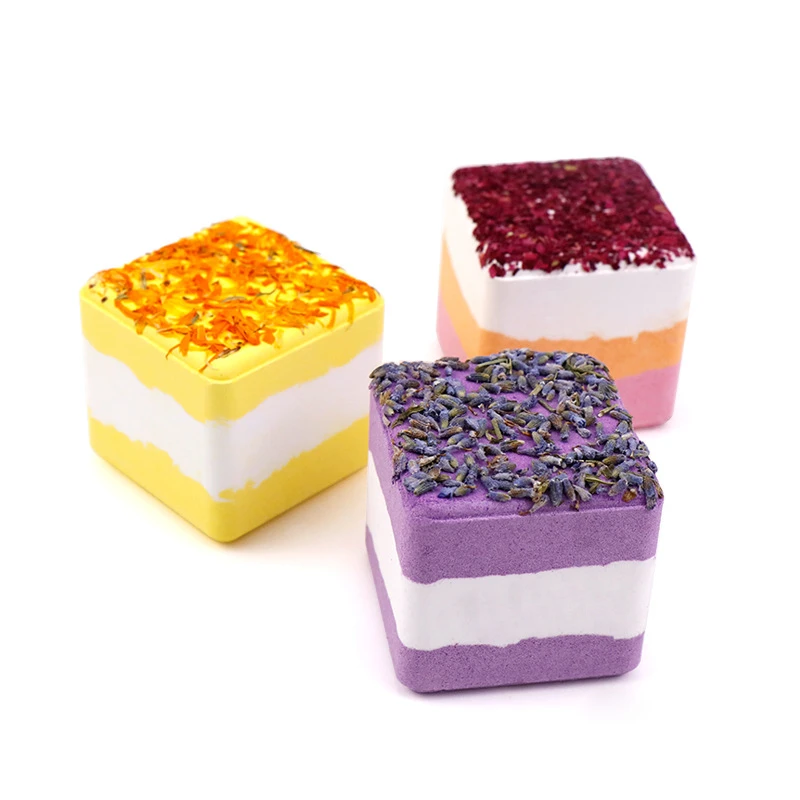
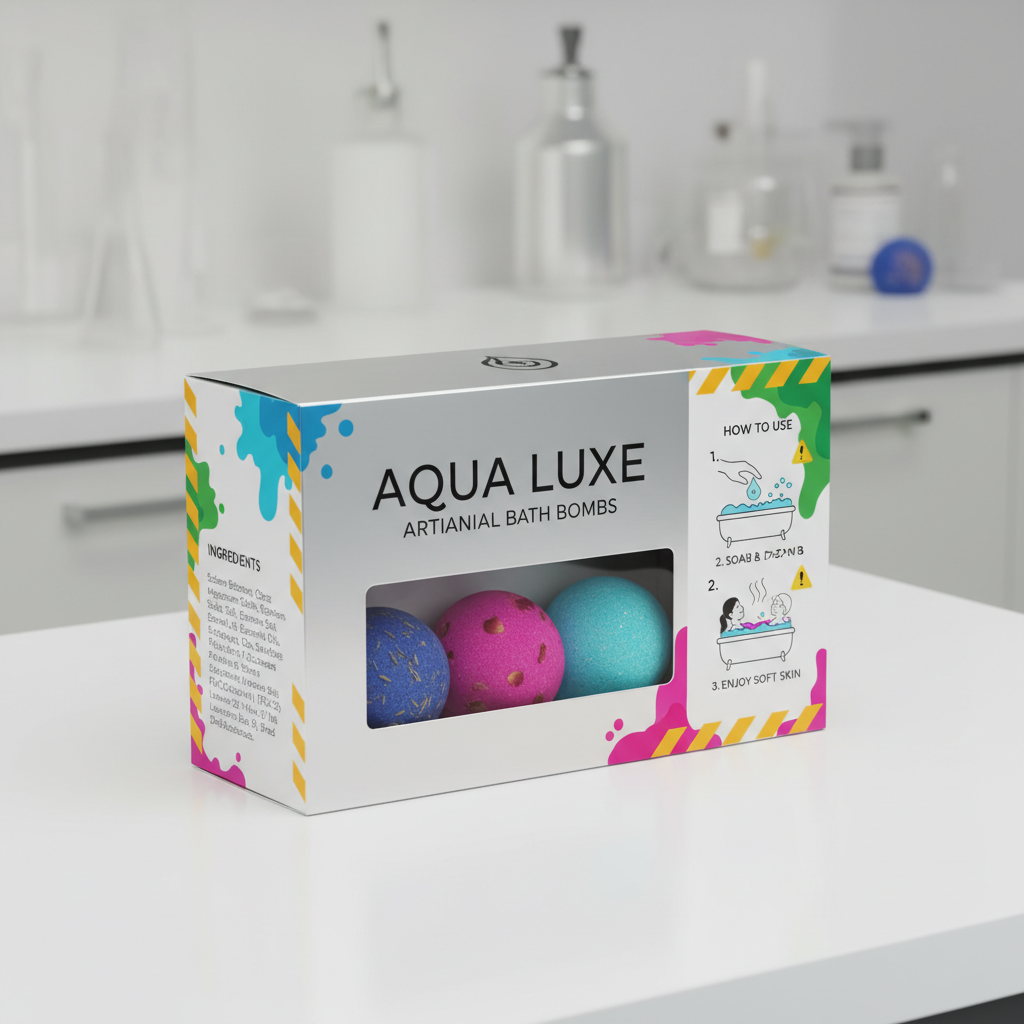
Before I wrap up, let me share a small story. I remember a boutique brand asking if they could produce a limited edition set with embedded dried lavender petals. To the untrained eye, that sounds simple. However, ensuring the petals didn’t interfere with compression or shelf life meant tweaking machinery and testing dozens of batches—ultimately, they got a beautiful, stable product that customers loved.
So, working around bath bombs, you realize it’s not just about fizz and scent. It’s balancing chemistry, mechanics, and a bit of art. And frankly, as someone from industrial equipment, it's refreshing to see how traditional manufacturing challenges apply even in these smaller, sensory-driven products.
If you want to explore their world further, bath bombs are a neat place to start—from the casual user’s bath to the industrial engineer’s mind.
In real terms, understanding the interplay between product design and production equipment helps explain why quality bath bombs cost what they do—and why a little fizz goes a long way.
References:
1. Industrial Equipment Journal, 2023: “Compression Technology in Powder Products”
2. Cosmetic Formulation Weekly, 2022: “Trends in Bath and Body Manufacturing”
3. Enyu Body Care product data and manufacturing notes (personal communication)