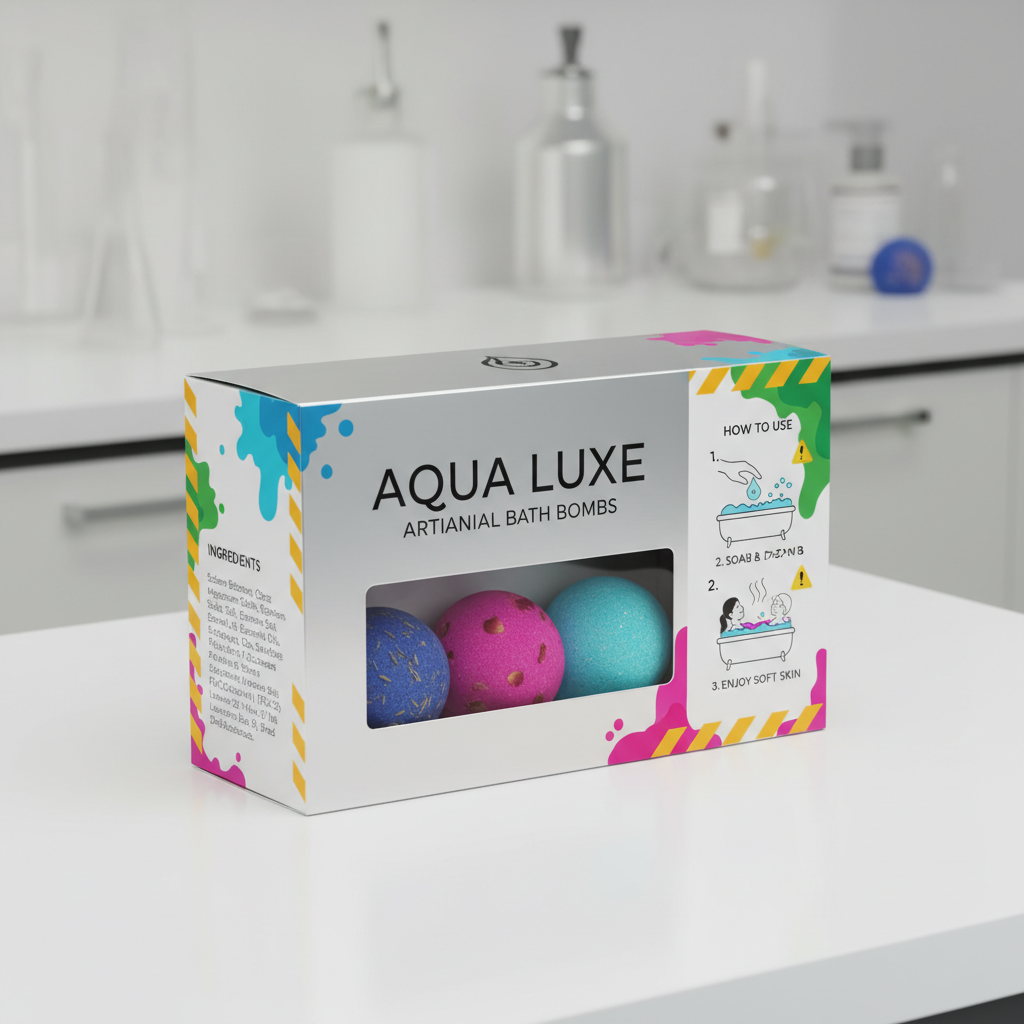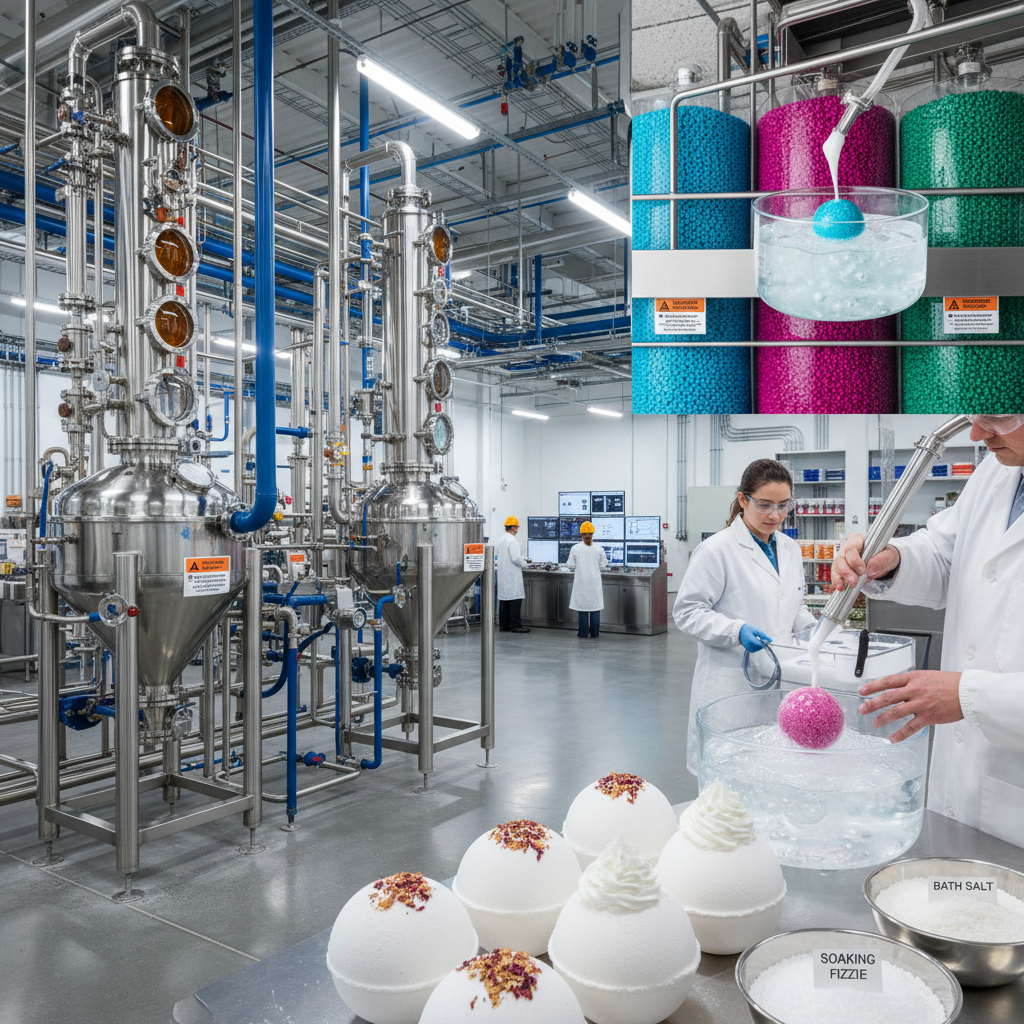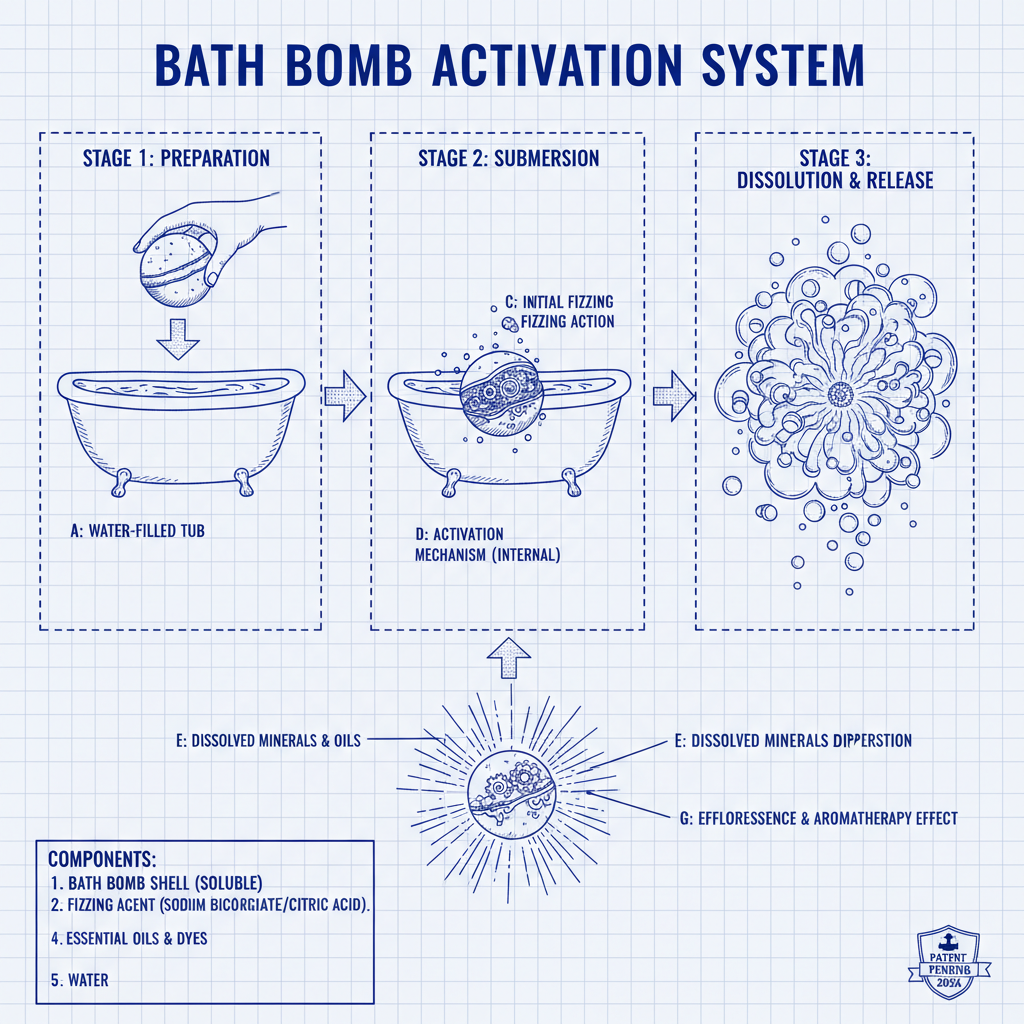


Bath Bomb Recipe with Mica Powder – Create Sparkling, Safe, and Sustainable Bath Bombs
Understanding the Allure of a Bath Bomb Recipe with Mica Powder
If you’ve ever dropped a shimmering bath bomb into your tub and watched the water bloom with color and fizz, you’ve witnessed a small chemistry show — one that blends art, science, and a little indulgence. The bath bomb recipe with mica powder has steadily gained global popularity, combining vibrant hues with skin-loving benefits. But it’s not just about the pretty fizz; it’s a craft that touches on natural ingredients, cosmetic safety, and even sustainability trends worldwide.
Globally, the personal care industry valued at over $500 billion, is home to countless innovations including bath bombs. In the rising wellness market, consumers are increasingly drawn to products that are both visually appealing and formulated with skin-safe, sustainable ingredients. That’s where mica powder shines — literally and figuratively. Its ability to create a luminous effect without harsh dyes or synthetic glitter makes it a favorite among bath bomb makers seeking natural brilliance (source: ISO Cosmetics Standards).
Yet challenges remain, such as ensuring eco-friendly sourcing of mica and maintaining safe formulations. Understanding the nuances behind a bath bomb recipe with mica powder offers a peek into bigger conversations about beauty, ethics, and DIY care solutions worldwide.
Mini takeaway: A bath bomb recipe with mica powder merges visual appeal with ingredient safety, reflecting evolving consumer demand and industry standards.
What Exactly Is a Bath Bomb Recipe with Mica Powder?
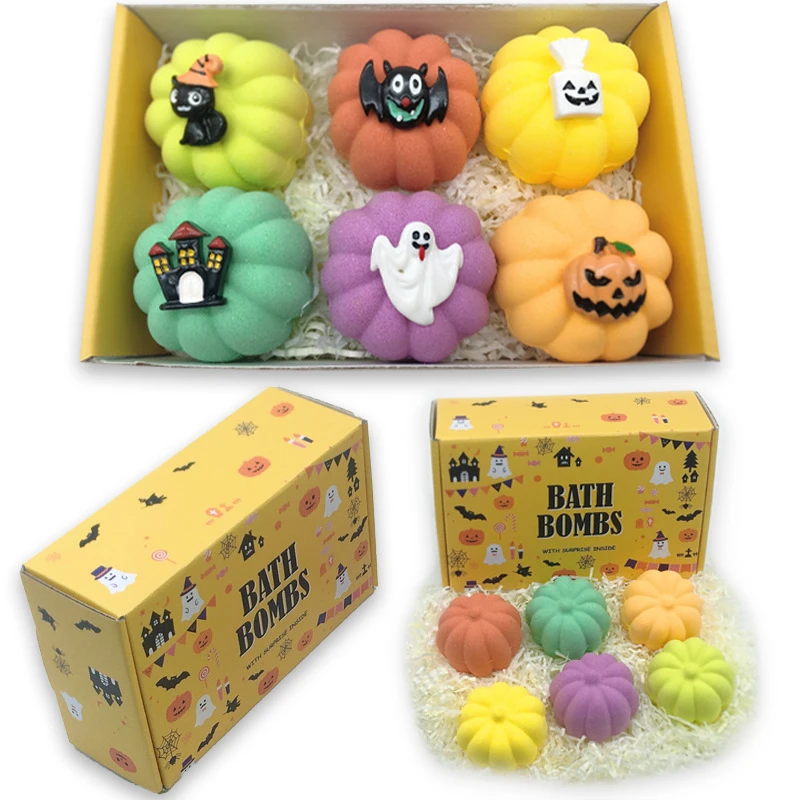
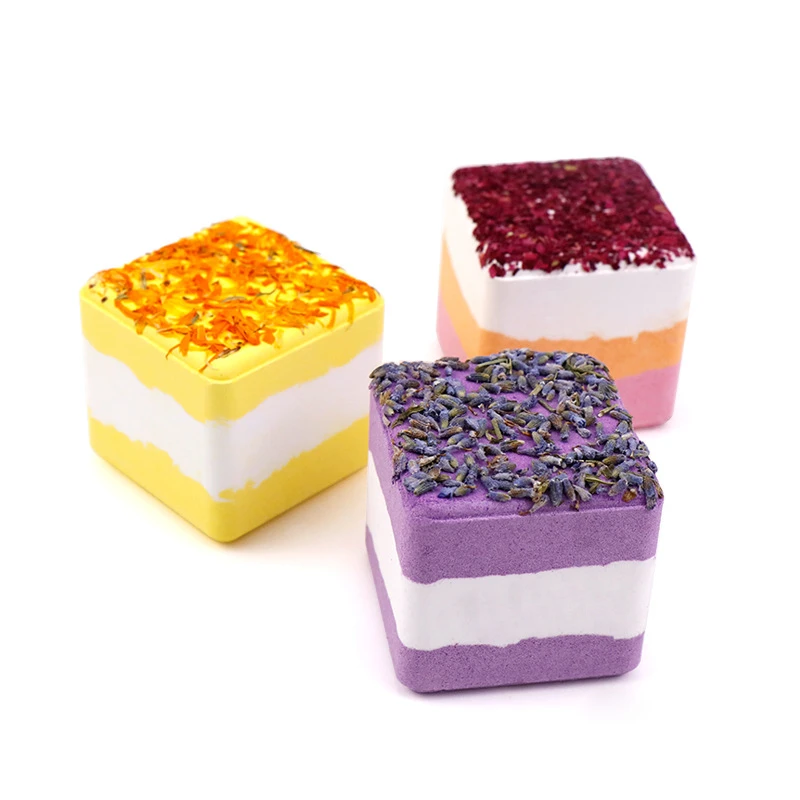
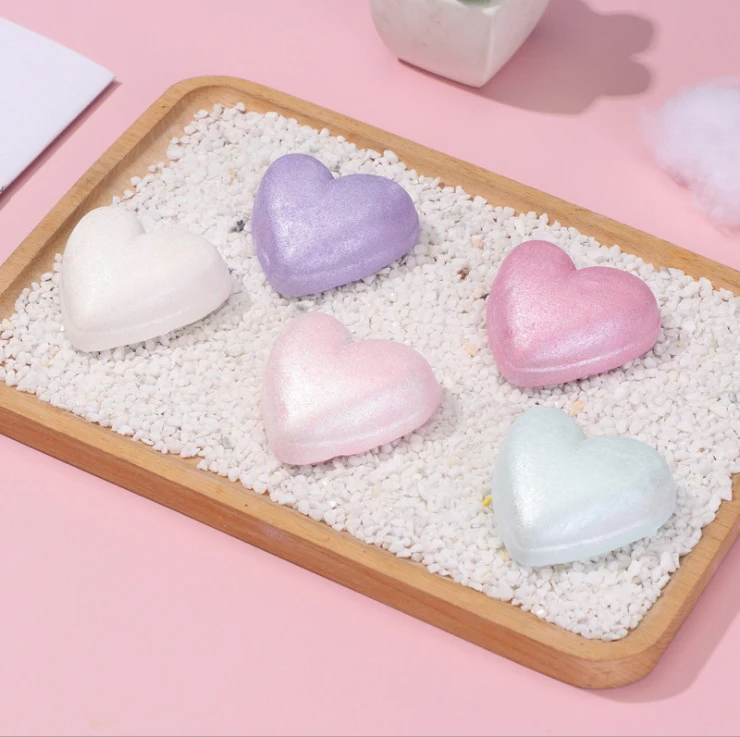
At its core, a bath bomb recipe with mica powder refers to a carefully balanced formula combining traditional bath bomb ingredients with mica powder to add a pearlescent, sparkly effect. If you recall, classic bath bombs typically include baking soda (sodium bicarbonate), citric acid, cornstarch, oils, and fragrances. Mica powder is a naturally occurring mineral ground into a fine, shimmering powder. It’s often preferred over synthetic glitters since it’s biodegradable and gentle on both skin and environment—assuming responsibly sourced.
The connection between this recipe and modern industry lies in its adaptability: from indie skincare brands to large-scale cosmetic producers, integrating mica powder allows for premium looking bath products that align with ethical beauty movements.
Mini takeaway: Mica powder transforms bath bombs from simple fizzies into captivating self-care rituals, bridging chemistry and aesthetics effortlessly.
Key Components of an Effective Bath Bomb Recipe with Mica Powder
1. Ingredient Balance and Stability
The fizz depends on a precise acid-base reaction between citric acid and baking soda, but adding mica powder requires adjustments because it can affect the texture and dispersion. Many formulators blend mica carefully to avoid clumping and ensure even color release.
2. Quality and Type of Mica Powder
Mica powders come in various grades and colors — from silky pearl to metallic sheens. Cosmetic-grade mica, which meets ISO safety standards, is the gold standard. Lower-grade mica might contain impurities or inconsistent particle size that impact both skin safety and aesthetics.
3. Fragrance and Essential Oils
Choosing oils that complement mica's shimmer effect enhances the bathing experience. Some oils might cloud the water, dulling mica’s sparkle, so synergy is key.
4. Binding Agents and Molding Techniques
Binders like cornstarch and certain oils ensure that bath bombs hold their shape yet dissolve properly. Mold materials also influence the final look, sometimes affecting how mica powder layers or sits on the surface.
5. Safety and Preservation
Incorporating preservatives or antioxidants can prevent rancidity, especially if natural oils are involved. Mica’s inert nature generally poses minimal risk, but it needs to harmonize with other ingredients without affecting shelf-life.
| Component | Typical Amount | Role |
|---|---|---|
| Baking Soda (Sodium Bicarbonate) | 40-50% | Fizz Reaction |
| Citric Acid | 25-30% | Fizz Reaction |
| Cosmetic-Grade Mica Powder | 2-5% | Color & Shine |
| Cornstarch | 10-15% | Binding Agent |
| Oils (Coconut, Sweet Almond, etc.) | 5-10% | Moisturizing & Binding |
| Fragrance or Essential Oils | 1-3% | Scent |
Mini takeaway: Crafting with mica requires precision — quality, balance, and ingredient synergy can make or break that perfect shimmer.
Where and How Are These Bath Bombs Making Waves?
From small boutique skincare brands in Europe to DIY enthusiasts experimenting in the Americas, mica-infused bath bombs have found their niche. They are especially popular in markets valuing luxury and natural products — think Japan, South Korea, and increasingly, the Nordic countries.
Interestingly, some humanitarian organizations have explored bath bombs as a tool for mental wellness kits in disaster relief zones, though that’s more niche and experimental. The practical public benefit? It’s less about fizz and more about bringing small comforts that bolster dignity and self-care in tough times — often overlooked in field aid.
Meanwhile in large cosmetic conglomerates, the uptake of mica powder aligns with clearer ingredient transparency and sustainability pledges — mica sourced from ethically managed mines and mica-free glitter alternatives continue to be hot topics.
Mini takeaway: The bath bomb recipe with mica powder serves diverse users, from indie artists to global brands, even flirting with social impact initiatives.
Advantages That Make Mica Powder a Standout in Bath Bombs
- Eco-friendliness: Unlike plastic glitters, mica is biodegradable.
- Safety: Cosmetic-grade mica is skin-friendly and avoids irritation common with dyes.
- Aesthetic appeal: Offers a more natural, elegant shimmer than synthetic alternatives.
- Customization: Mica’s rich palette allows endless color-play possibilities.
- Marketability: Sustainability plus luxury equals strong consumer pull in premium markets.
Frankly, it’s a winning combo from both marketing and practical standpoints. And there’s an emotional side too — consumers say they feel a small moment of calm and indulgence watching the rainbow-like shimmer swirl as the bath bomb dissolves, adding value beyond skin deep.
Looking Ahead: Trends Shaping Bath Bombs with Mica Powder
Green chemistry and sustainable sourcing will dominate. More brands will adopt fair-trade mica, and some R&D teams focus on bioengineered shimmering powders that mimic mica’s sparkle but avoid mineral mining altogether.
Innovation in digital tools helps formulators simulate color blends before batch production — cutting down waste and speeding up new product launches. Automation in crafting is also slowly becoming a thing in larger factories, which might make high-quality, mica-enhanced bath bombs oddly more affordable soon.
Challenges and How the Industry Is Tackling Them
Mining mica ethically remains the biggest hurdle: child labor and environmental strain shadow many mines globally. The industry responds with certification initiatives and increased transparency, but progress is uneven.
Formulation-wise, mica sometimes clumps or settles unevenly, causing inconsistent sparkle. Advances in powder milling and binding agents help smooth out these wrinkles, making the final product more visually consistent.
Lastly, consumer awareness is key: education on what mica powder is, why it’s used, and how to pick safe products ensures buyers don’t fall for greenwashing, but get genuine value.
| Vendor | Mica Quality | Sustainability | Price Range (per kg) | Additional Services |
|---|---|---|---|---|
| PureGlow Mica Co. | Cosmetic Grade, Certified | Fair Trade Certified | $50 - $70 | Custom Colors, Sample Packs |
| ShimmerNaturals | Premium, Cosmetic Grade | Sustainably Mined | $45 - $65 | Bulk Discounts, Tech Support |
| EcoMineral Supplies | Mid-Grade, Safe for Skincare | Ethically Sourced | $35 - $55 | Consultation, Certification Help |
Frequently Asked Questions About Bath Bomb Recipe with Mica Powder
Q1: Is mica powder safe to use on sensitive skin?
A1: Cosmetic-grade mica powder is generally safe for sensitive skin when properly sourced and purified. It’s free from heavy metals and impurities that can irritate skin. However, patch testing is always recommended, especially if you have skin conditions or allergies.
Q2: Can I use any mica powder in bath bombs?
A2: No. You should only use cosmetic-grade mica powder approved for skin contact. Craft or nail mica powders may contain additives unsuitable for bathing products. Using the wrong mica type risks skin irritation and poor bath bomb performance.
Q3: How much mica powder should I add to get a shimmering effect without overpowering?
A3: Typically, 2-5% mica powder by weight of the total recipe is enough to achieve a noticeable shimmer. Adding too much can affect the bath bomb’s texture and fizz quality, so moderation is key.
Q4: Does mica powder affect the fizzing reaction?
A4: Mica itself doesn’t inhibit fizz but can impact the texture and how the powder disperses. Ensuring it’s finely milled and well mixed prevents clumping that could affect dissolving speed.
Q5: Where can I find reliable mica powder suppliers for large-scale production?
A5: Vendors like PureGlow Mica Co. and ShimmerNaturals specialize in cosmetic-grade mica with international certifications. Always request quality assurance documents and sustainability reports before committing.
Final Thoughts: Why Embrace a Bath Bomb Recipe with Mica Powder?
In the grand scheme, the humble bath bomb has evolved into a canvas for creativity, ethical sourcing, and a nod to eco-friendly indulgence. Incorporating mica powder isn’t just about sparkle — it’s about aligning product appeal with growing consumer demands for transparency, safety, and sustainability. Whether you’re a DIY aficionado or a brand developer, understanding this recipe unlocks doors to innovative self-care and cosmetic craftsmanship.
Ready to dive deeper into the art of dazzling baths? Visit our website for expert guides and quality ingredients: bath bomb recipe with mica powder.
References:
1. ISO Cosmetics Standards – iso.org
2. World Bank, Consumer Goods & Retail Overview, 2023
3. Ethical Sourcing of Mica – responsiblemineralsinitiative.org