

Bath Bomb Dust: Understanding Its Impact and Innovations in Sustainable Bath Products
Understanding Bath Bomb Dust: More Than Just a Bath Time Residue
Bath bomb dust might sound trivial at first, just the powdery remnants after fizz and sparkle have done their job in your tub. However, this unassuming byproduct is gaining attention globally, not just in the cozy corners of self-care but in the broader industry and environmental discussions. Why? Because understanding bath bomb dust plays a surprisingly important role in sustainability, cosmetic manufacturing, and even waste management all over the world.
Why Bath Bomb Dust Matters on a Global Scale
The global cosmetic and personal care market is expected to exceed $700 billion by 2025,1 with bath bombs accounting for a niche but growing portion. Bath bomb dust — the residue left from these dissolving spheres — has become a topic of interest for manufacturers and consumers alike, especially when it comes to reducing waste and improving product performance.
Moreover, environmental agencies and organizations like the UN Environment Programme highlight the importance of managing chemical residues from household products to reduce water pollution.2 Bath bomb dust, rich in ingredients like citric acid, baking soda, and colorants, poses potential challenges if it’s not responsibly formulated or disposed of. This dust is more than just a bit of grime; it represents an intersection between cosmetic innovation and sustainable practices.
Mini takeaway: Bath bomb dust is emerging as both a product quality marker and an environmental challenge, making it relevant far beyond the bathroom.
What Exactly is Bath Bomb Dust?
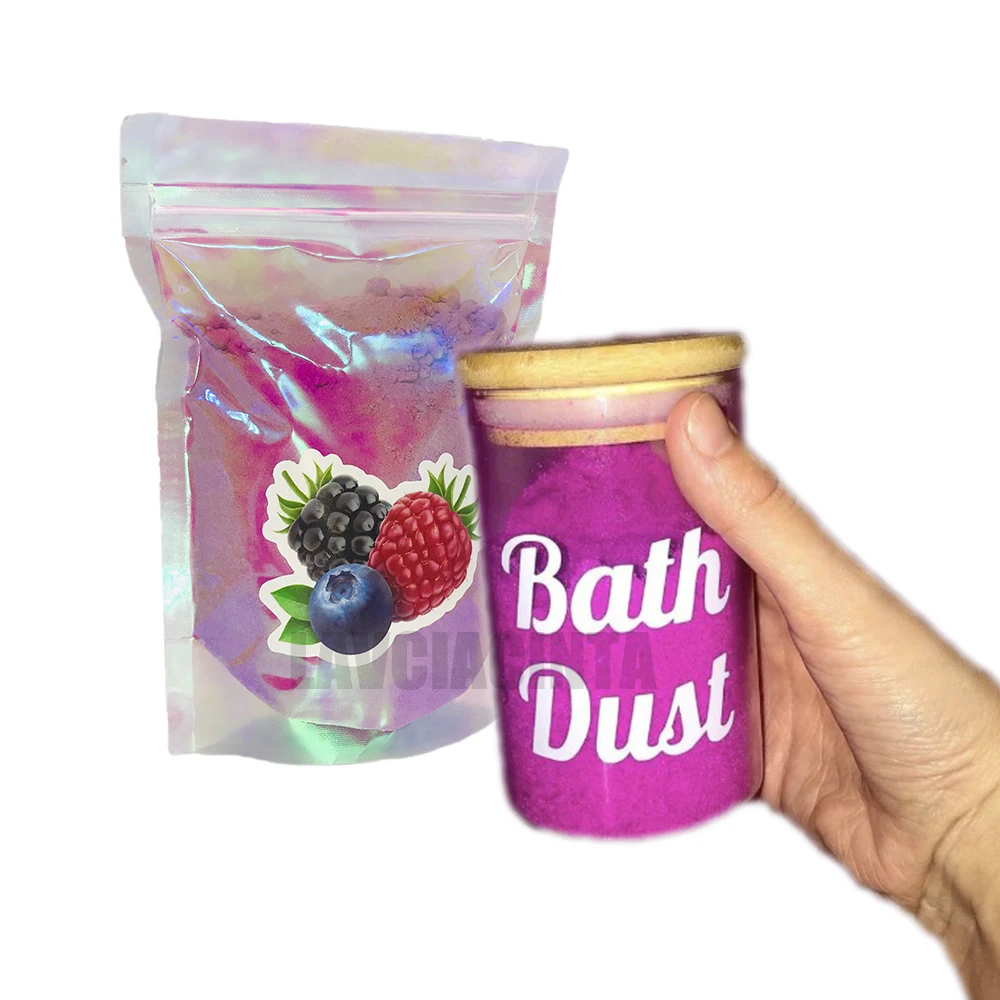
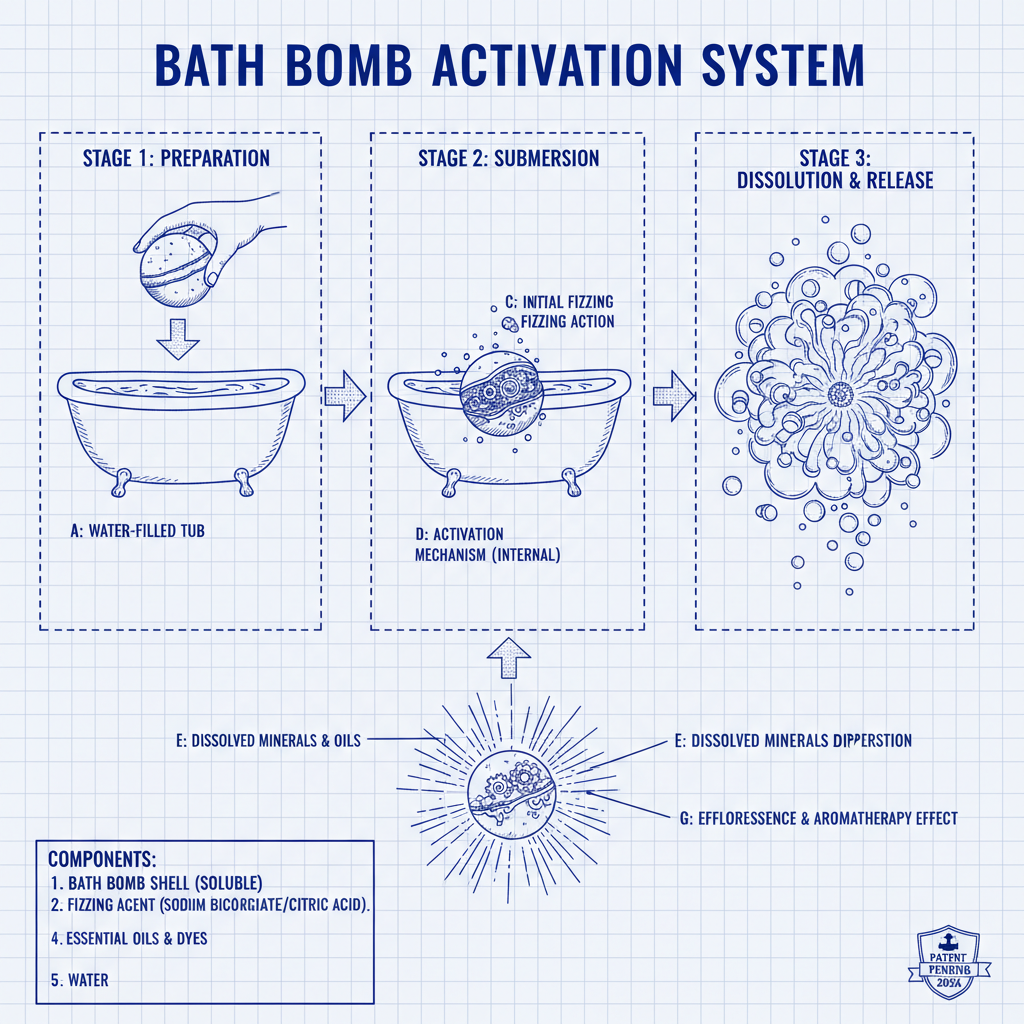
Simply put, bath bomb dust is the fine powder or particulate matter that is left behind during the manufacture, packaging, or even after the fizzing of a bath bomb in water. It primarily consists of the dry, uncompressed mixture of ingredients that didn’t fully bind into the solid bomb.
In manufacturing, dust may form during mixing and pressing stages, affecting product consistency. For consumers, it’s the tiny residual powder that sometimes gathers in the tub or packaging. Though it may seem like an insignificant byproduct, bath bomb dust affects product performance, user satisfaction, and even skin safety.
On a humanitarian level, I’m reminded how organizations tweaking formulations to minimize leftover dust help reduce chemical exposure in areas relying on clean water and safe bathing solutions—important for hygiene and dignity.
Key Factors Influencing Bath Bomb Dust Quality
1. Ingredient Composition
The ratio of citric acid to sodium bicarbonate, along with additives like colorants and fragrances, influences how much dust remains. Overloading one can lead to crumbly or dusty final products. Manufacturers often balance natural powders and synthetic agents to optimize binding.
2. Compression Density
The pressure used during molding affects product solidity. A bath bomb pressed too lightly tends to produce more dust and crumbly edges. Conversely, over-compression might hinder fizzing action, which is the whole point!
3. Moisture Control
Humidity during production can cause partial reactions between ingredients or clumping, affecting dust generation post-manufacture. Proper moisture management reduces dust and improves shelf life.
4. Packaging Design
Smart packaging limits friction and handling damage, which can create additional dust during transport. Innovations in protective sleeves and biodegradable films are on the rise.
5. Ingredient Particle Size
Smaller particle sizes tend to cause dustier products, whereas coarser particles bind differently and may alter product texture.
Mini takeaway: From ingredient mix to packaging, several controllable aspects determine how much bath bomb dust becomes a challenge or a quality cue.
Where Bath Bomb Dust Comes Into Play Globally
Across regions from North America’s booming bath product markets to Asia’s large-scale cosmetic exports, managing bath bomb dust contributes to best practices in manufacturing and sustainability. In Europe, where strict guidelines on cosmetic residues exist, companies vigilantly monitor dust to comply with ISO standards3.
Furthermore, NGOs working in remote or disaster-affected areas have explored dry bath bomb-like products with minimal dust for hygiene kits, supporting cleanliness with minimal environmental impact.
Industrial skincare brands also leverage bath bomb dust reduction techniques as a brand differentiator for eco-conscious consumers who want not just a pleasant scent but products that minimize waste.
Bath Bomb Dust Specification Table
| Specification | Typical Range | Importance |
|---|---|---|
| Residual Dust (%) | 0.5 - 3.0% | Lower % means better binding and quality |
| Particle Size (microns) | 50 - 300 | Affects texture and dust production |
| Moisture Content (%) | Key for shelf stability | |
| Compression Force (psi) | 1000 - 2000 | Directly impacts dust reduction |
Vendor Comparison on Bath Bomb Dust Management
| Vendor | Dust Minimization Technology | Sustainability Focus | Price Range (per 1000 units) |
|---|---|---|---|
| FizzPro Inc. | Advanced moisture control & compressed molding | Use of natural ingredients and biodegradable packaging | $400 - $600 |
| SpaGlow LLC | Electrostatic dust removal during manufacturing | 90% recyclable materials; carbon-neutral production | $500 - $700 |
| PureFizz Co. | Particle size optimization and low-dust formula | Vegan certified ingredients; plastic-free packaging | $450 - $650 |
Advantages & Long-Term Value of Managing Bath Bomb Dust
Properly controlling bath bomb dust has tangible benefits. For one, it improves user experience — no one likes sandy bathtubs or irritated skin from excess powder. Then there’s sustainability: less dust means less waste, fewer rejected batches, and reduced chemical runoff in waterways.
Socially, companies that market “dust-minimized” or “clean fizz” products build trust with buyers who want safe, environmentally friendly options. Frankly, it’s a quick way to stand out in a crowded bath aisle. From a corporate perspective, optimizing dust reduces manufacturing costs linked with product loss and packaging contamination.
Emotionally, customers often share stories online appreciating brands that “get the details right,” so bath bomb dust might sound minor but it really connects to pride in product quality.
Emerging Trends and Innovations
Industry R&D is pushing boundaries with bio-based binders that reduce dust without compromising fizz, and nano-engineered particles that dissolve completely, leaving zero residues. Sustainable sourcing of ingredients and automation in production lines help produce consistent batches with minimal dust.
Also, green packaging innovations include compostable sachets that contain any residual dust, preventing mess during shipping and use. On the tech side, digital color sensors and in-line particle analysis improve quality and minimize dust by early detection. It feels like we’re entering an age when even bath bomb dust gets the full treatment of smart manufacturing.
Common Challenges & Solutions
Despite advances, challenges remain. Moisture variability during transport or storage can cause dusting or degradation. Ingredient sourcing can introduce inconsistent particle sizes. Some manufacturers are also wary of adding complexity or cost to their processes just for dust reduction.
However, expert chemists recommend clear batch testing, supplier qualification programs, and climate-controlled storage as effective mitigations. It’s also wise to educate consumers on best storage practices and use disposable liners in packaging. Collaboration between R&D, supply chain, and marketing teams often leads to practical solutions that span the entire product lifecycle.
Frequently Asked Questions About Bath Bomb Dust
- Q: How can I reduce bath bomb dust in my homemade batches?
- A: Focus on proper compression pressure, keep moisture levels consistent, and sift powders to maintain uniform particle size. Using natural binders like cornstarch can also reduce dust.
- Q: Is bath bomb dust harmful to skin or plumbing?
- A: Generally, bath bomb dust ingredients like baking soda and citric acid are safe in small amounts, but excessive dust may irritate sensitive skin or clog drains if not dissolved fully.
- Q: What packaging works best to minimize bath bomb dust mess?
- A: Rigid containers or shrink-wrapped films reduce friction and dust loss. Eco-friendly biodegradable films also contain dust while lessening plastic waste.
- Q: Can bath bomb dust be recycled or reused?
- A: Some companies reuse excess dust in lower-grade products like bath salts or scrubs, but it must be free of contaminants and properly tested.
Conclusion: Why Bath Bomb Dust Deserves Your Attention
While subtle, bath bomb dust touches on bigger themes of product quality, environmental stewardship, and customer satisfaction that all manufacturers and users should appreciate. Controlling this fine powder not only enhances the bathing ritual but aligns with modern demands for cleaner, greener, and more thoughtful products.
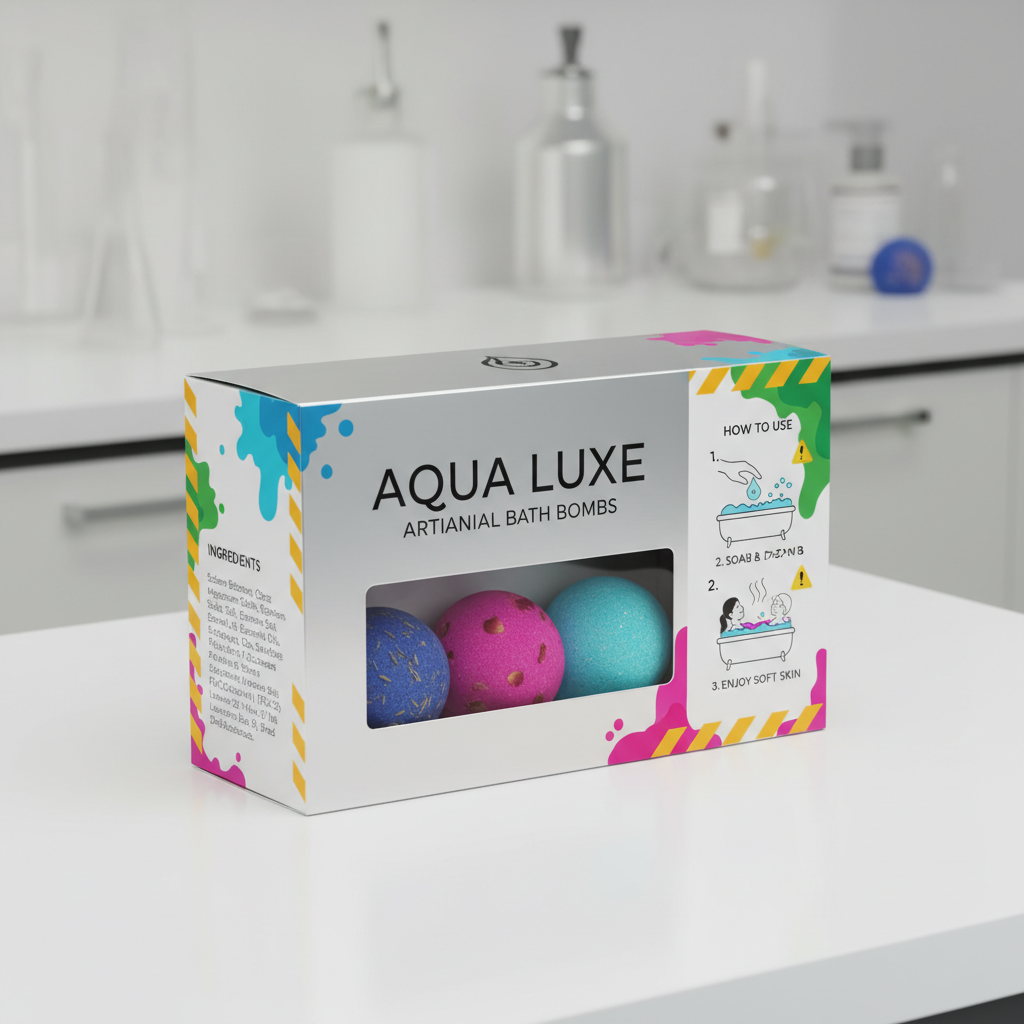
For anyone intrigued, expert insights and innovative products await at bath bomb dust suppliers like us.
Summary takeaway: Managing bath bomb dust is a small step with outsized impact — on water quality, user experience, and a sustainable beauty industry. Oddly enough, it’s those little powders that hint at a greener tomorrow.
References
- Statista - Global Cosmetics Industry Market Size
- United Nations Environment Programme - Resources on Chemical Pollution
- ISO Standards for Cosmetic Products